Heads up: we earn a commission if you buy through the links on this page, at no extra cost to you. It never changes the order of the list. Full disclosure · how we pick.
Here is the whole argument in one sentence: espresso pushes water through a compressed bed of coffee in about 25 seconds, so the size and evenness of the grounds decides how fast the water gets through, and nothing downstream can correct it. A machine cannot fix a bad grind. A tamper cannot. Time cannot.
That is why this hub exists before the accessories and why we keep pushing people from the machines page to here. If you have a fixed budget for a first setup, a third to a half of it belongs on the grinder. If you are buying both at once, start with pairing a grinder with your espresso machine.
Quick picks — Grinders for home espresso
#
Pick
Best for
Type
Price
1
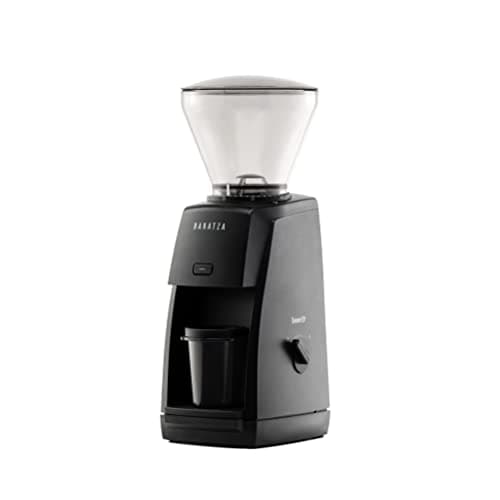
Baratza Encore ESPTop pickAn Encore reworked for espresso: the first 20 clicks are a fine, high-resolution espresso range, and the remaining 20 cover filter.
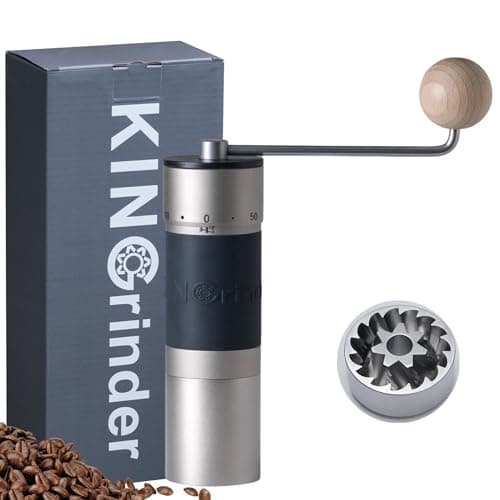
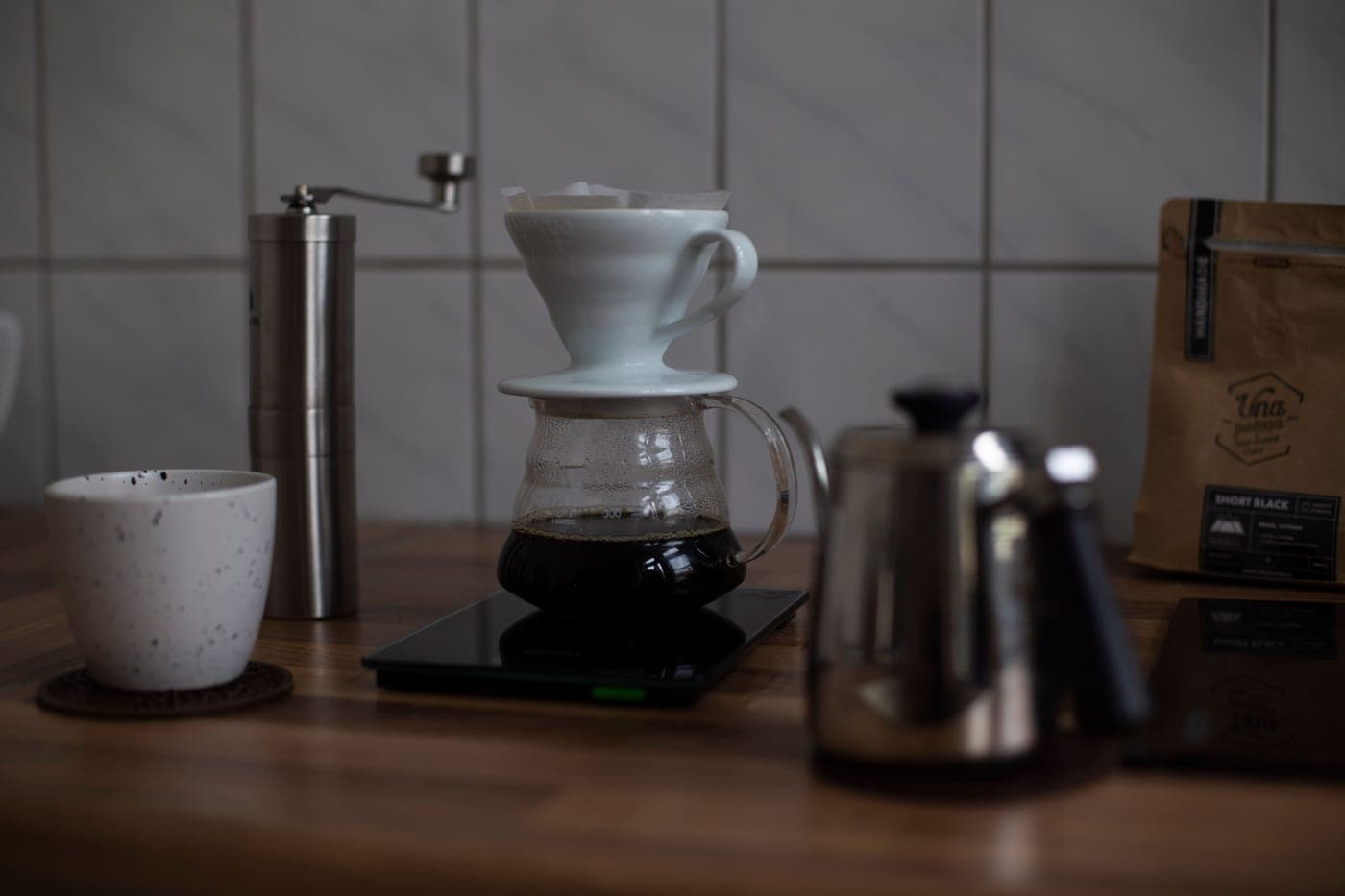
1Zpresso JX-ProBigger, heavier and higher-capacity than the Q2, with the adjustment resolution that makes espresso dial-in on a hand grinder realistic.
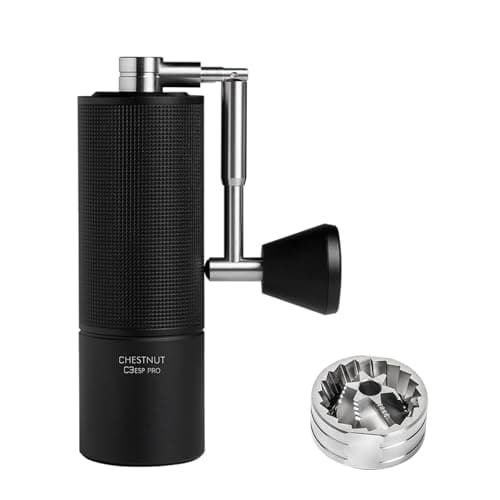
Timemore Chestnut C3 ESP ProThe usual answer to “what is the least I can spend on a grinder that actually works for espresso” — an espresso-tuned version of a very common entry hand grinder.
We have not handled these units. Everything above comes from published manufacturer documentation, cited inline, plus arithmetic you can redo yourself. Everyone in this category says they tested twenty machines; we have not tested any, and we say so. Here is what we do instead.
01
Baratza Encore ESP
The default first electric grinder
An Encore reworked for espresso: the first 20 clicks are a fine, high-resolution espresso range, and the remaining 20 cover filter.
Published specifications for the Baratza Encore ESP, with sources
Burr
40 mm M2 conical, quick-release for cleaning [source]
Grind range
#1-20 optimized for espresso in fine steps; #21-40 for filter [source]
Burr speed
550 RPM, reduced to limit heat, noise and static [source]
Twenty fine clicks inside the espresso range is the specification that matters. Grinders that give you five usable espresso settings cannot be dialed in; this one can.
550 RPM is deliberately slow. Slower burrs mean less heat and less static, which in practice means less ground coffee stuck to the inside of the chute and thrown around your counter.
It ships with both 54 mm and 58 mm dosing, which covers a Breville and a Gaggia without buying anything else.
What it does well
Genuine fine adjustment across the espresso range
Covers filter grinding too, so it is not a single-purpose purchase
Quick-release burr makes cleaning a two-minute job
Fits both common portafilter sizes out of the box
What you give up
Retains some grounds between doses, like most hoppered grinders
Louder than a hand grinder, obviously
Skip it if you already have a capable hand grinder and only make one or two drinks a day — you would be buying convenience, not better coffee.
The usual answer to “what is the least I can spend on a grinder that actually works for espresso” — an espresso-tuned version of a very common entry hand grinder.
We have not compiled a cited spec sheet for this pick yet, so there is no spec table here. What follows is about fit — who it is for and who it is not — not about numbers we cannot source. See how we pick.
The ESP suffix on a hand grinder means the adjustment has been rescaled so the espresso range occupies more of the dial, not that the burrs are different in kind.
This is the floor of the honest answer. Below it, you are buying a grinder that cannot reach espresso fineness with any consistency, whatever the listing claims.
What it does well
The lowest price that still gives usable espresso adjustment
Small, quiet, nothing to plug in
What you give up
Small capacity
Manual effort daily
Skip it if you drink more than a couple of doubles a day, or if the grinding step is the part you were hoping to avoid.
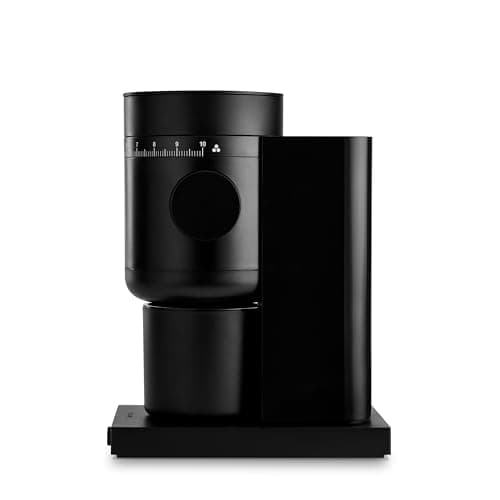
A single-dose electric grinder with flat burrs — a category that used to start at three times the price.
We have not compiled a cited spec sheet for this pick yet, so there is no spec table here. What follows is about fit — who it is for and who it is not — not about numbers we cannot source. See how we pick.
Single dosing means you weigh exactly the beans for one shot and grind them all, instead of keeping a hopper full. Less stale coffee sitting in the machine, less retained grounds between shots.
Flat burrs and conical burrs both make good espresso. The practical difference at home is retention and workflow, not a quality ranking.
What it does well
Single-dose workflow without a hopper full of stale beans
Stepless-style fine adjustment in the espresso range
What you give up
You must weigh beans before every grind — that is the workflow, not a flaw
More grinder than a first setup strictly needs
Skip it if this is your first grinder and your machine is an entry-level one. The grinder would be the most capable part of the setup by a wide margin.
An external-adjustment hand grinder aimed squarely at espresso, from the value end of the market.
We have not compiled a cited spec sheet for this pick yet, so there is no spec table here. What follows is about fit — who it is for and who it is not — not about numbers we cannot source. See how we pick.
External adjustment means you change the grind without taking the grinder apart or losing your setting, which is the difference between dialing in and guessing.
This category exists because espresso needs adjustment steps small enough that a five-position dial is useless.
What it does well
External adjustment you can count and return to
Espresso-focused rather than filter-first
What you give up
Manual effort
Less established support than the bigger names
Skip it if you want the shortest path to a working setup with no research — a well-known electric grinder is the lower-effort answer.
An all-brew-method electric grinder with an espresso range, aimed at people who also make pour-over and cold brew.
We have not compiled a cited spec sheet for this pick yet, so there is no spec table here. What follows is about fit — who it is for and who it is not — not about numbers we cannot source. See how we pick.
The pitch is range: one grinder that goes from espresso fine to cold brew coarse without a compromise setting.
Grinders that cover everything trade some espresso-range resolution for that breadth. If espresso is the only thing you brew, an espresso-first grinder gives you more usable clicks where you need them.
What it does well
Covers every brew method in one machine
Single-dose friendly
What you give up
Espresso resolution is thinner than an espresso-first grinder's
Skip it if you only make espresso. You are paying for a range you will never leave.
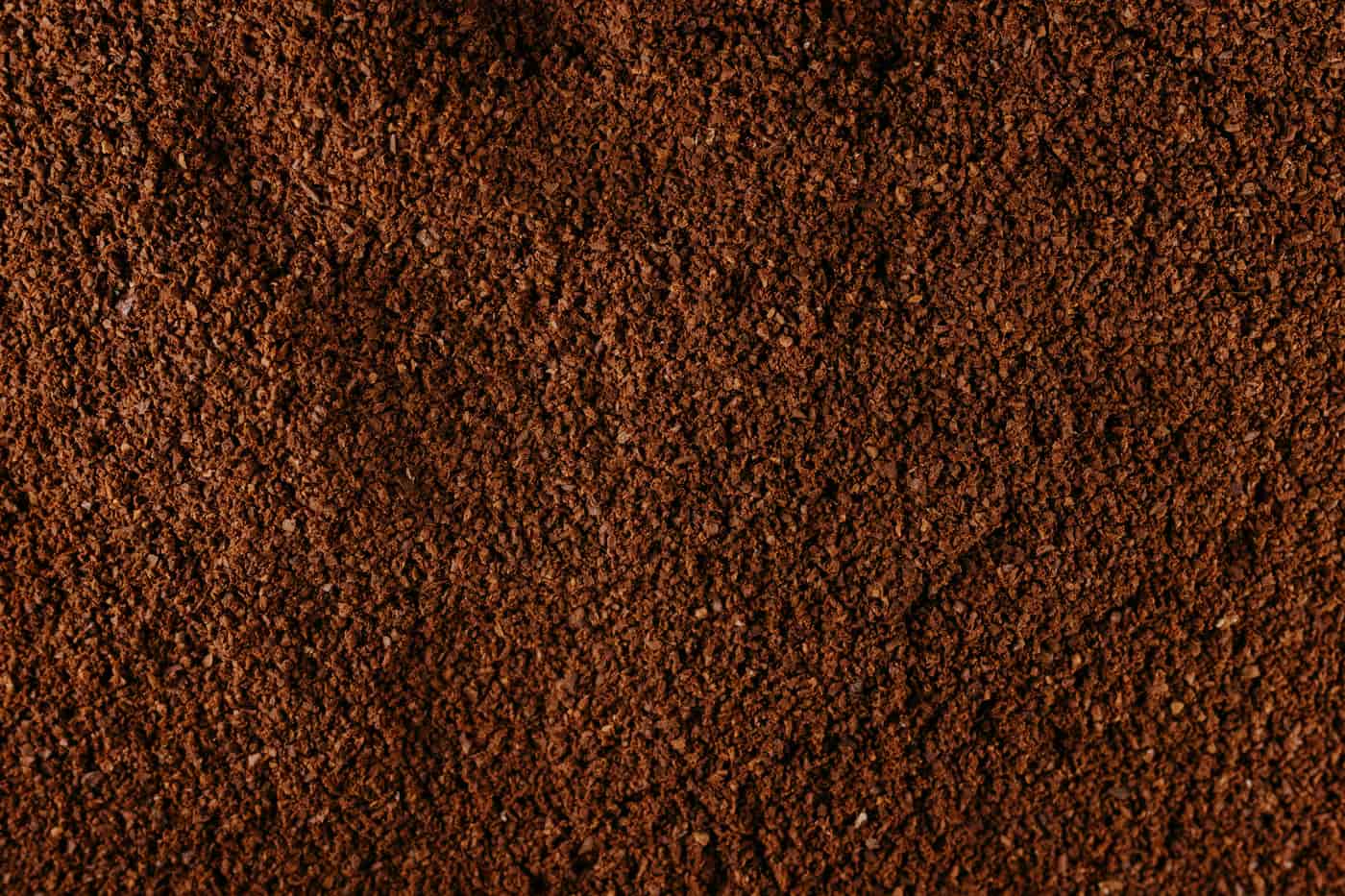
The National Coffee Association describes espresso grind as fine, like table salt, brewed in 20 to 30 seconds at a ratio of about 1 gram of dry coffee to 2 grams of liquid out. Two things in that sentence set the requirement.
It has to go fine enough
A lot of perfectly good grinders cannot. They were built for drip coffee, their finest setting is coarser than espresso needs, and the result is a shot that gushes through in eight seconds and tastes thin and sour. This is the single most common cause of disappointing home espresso and it is not fixable by technique. Two pages go deeper on the models most people choose between: the Encore ESP reviewed and Encore ESP vs DF54.
It has to adjust in small steps
Getting a shot right means nudging the grind slightly finer or slightly coarser. If your grinder has five settings across the espresso range, a nudge is a leap — one setting runs too fast and the next one chokes the machine. Baratza states the Encore ESP puts 20 fine clicks inside the espresso range with 20 more for filter, which is the shape you want. Compare that with the 12 to 16 settings a built-in grinder typically spreads across everything.
The three specs worth reading, and the ones to ignore
**Adjustment resolution in the espresso range.** How many usable steps you get where you will actually be working. This is the number that matters most and is quoted least.
**Burr type and size.** Conical or flat, and the diameter — Baratza states 40 mm M2 conical burrs on the Encore ESP. Both geometries make excellent espresso; the practical difference at home is workflow and retention, not a quality ranking.
**Retention.** How much ground coffee stays inside between doses. High retention means today's shot contains some of yesterday's coffee.
**Ignore** peak motor wattage. **Ignore** the number of total settings if most of them are for French press. **Ignore** any claim about "commercial grade" with no figure attached.
Slow is a feature
Baratza states the Encore ESP holds its burrs to 550 RPM, deliberately reduced to limit heat, noise and static. That is worth understanding rather than skipping: static is what makes ground coffee stick to the chute and jump around your counter, and heat is what dulls the aroma of what you just ground. A slower grinder is usually a tidier and better one.
Questions people actually ask
Do I really need a special grinder for espresso?+−
You need one that reaches espresso fineness and adjusts in small steps. Many good grinders do neither, because they were designed for drip coffee. It is less about the word "espresso" on the box and more about those two capabilities.
What is the cheapest grinder that works for espresso?+−
A hand grinder with an espresso-focused adjustment range is the floor. It costs a fraction of an electric one and grinds as well or better; what you pay instead is effort every morning. See grinders under $100.
Can I use pre-ground coffee instead?+−
In a pressurized basket, yes, and it will produce something. In a single-wall basket it will run far too fast, because pre-ground coffee is ground for drip. It also stales quickly — the National Coffee Association gives ground coffee one to two weeks at room temperature.
Conical or flat burrs — which is better for espresso?+−
Both make excellent espresso and the difference at home is workflow, not quality. Conical grinders tend to be cheaper and quieter; flat-burr single-dose grinders tend to retain less coffee between doses.
How often should I clean a grinder?+−
Brush the chute weekly and take the burrs out monthly if the design allows. Coffee oils build up and go rancid, and that taste ends up in every shot. 1Zpresso states its Q2 disassembles without tools and keeps burr calibration on reassembly, which is the feature that decides whether you actually do it.
Why pre-ground coffee fails at espresso and not at anything else, the one setup where it works anyway, and the cheapest grinder that can actually do the job.