Heads up: we earn a commission if you buy through the links on this page, at no extra cost to you. It never changes the order of the list. Full disclosure · how we pick.
Machines rarely fail dramatically. They get slower, then the shots taste stale, then one morning nothing comes out. Almost all of that is preventable with a routine that takes about fifteen seconds a day and twenty minutes every couple of months.
Cleaning and descaling are not the same thing
This is the single most common confusion in home espresso, and it costs people machines. They are two different jobs, using two different products, addressing two different problems.
The two jobs, side by side
Cleaning
Descaling
Removes
Coffee oils and grounds
Mineral scale from heated water
Where
Group head, shower screen, portafilter, baskets
Boiler, thermoblock, internal tubing
Product
An espresso machine detergent — cleaning tablets or powder
Using a descaler where a cleaner is needed leaves the oils in place and the coffee keeps tasting stale. Using a cleaner where descaling is needed does nothing for the scale. Both products are cheap and you need both — see supplies.
Quick picks — Cleaning and upkeep
#
Pick
Best for
Type
Price
1
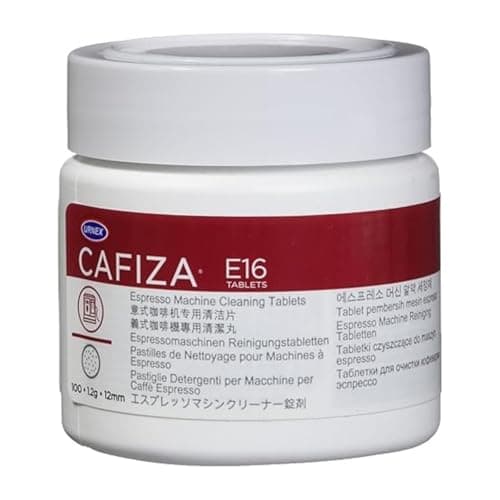
Urnex Cafiza Espresso Machine Cleaning TabletsTop pickThe standard espresso-machine detergent tablet. It removes coffee oil residue, which is a different job from descaling.
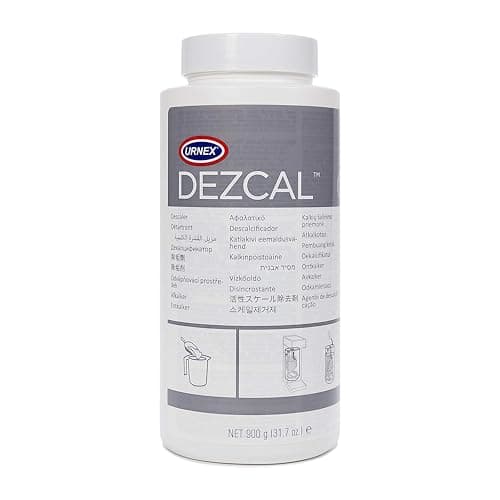
Urnex Dezcal DescalerA citric-acid-based descaler. This is the product that goes in the water tank, and the one people substitute vinegar for and regret.
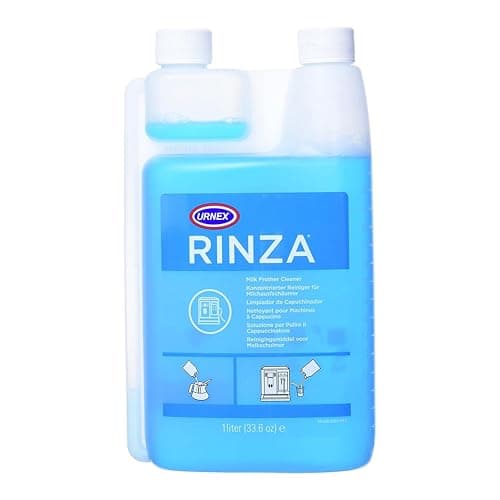
Urnex Rinza Milk Frother CleanerAn alkaline cleaner for milk residue. Necessary for automatic milk systems, useful for a manual wand you have not been perfect with.
A steam wand or milk system that has had milk in it
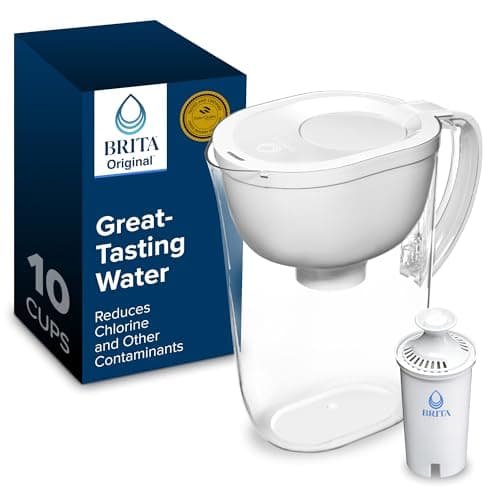
Brita Water Filter PitcherA filter pitcher is the low-effort way to reduce what goes into the boiler in the first place, which is cheaper than descaling more often.
We have not handled these units. Everything above comes from published manufacturer documentation, cited inline, plus arithmetic you can redo yourself. Everyone in this category says they tested twenty machines; we have not tested any, and we say so. Here is what we do instead.
01
Urnex Cafiza Espresso Machine Cleaning Tablets
Backflushing coffee oils out of the group
The standard espresso-machine detergent tablet. It removes coffee oil residue, which is a different job from descaling.
We have not compiled a cited spec sheet for this pick yet, so there is no spec table here. What follows is about fit — who it is for and who it is not — not about numbers we cannot source. See how we pick.
Cleaning and descaling are two different tasks with two different products. Cleaner removes coffee oils from the group head and baskets; descaler removes mineral scale from the boiler.
Using descaler where cleaner is needed leaves the oils, and the shots keep tasting stale and bitter no matter how new the beans are.
What it does well
Does the job the machine manual asks for
Tablets are pre-dosed, so there is nothing to measure
What you give up
Only backflushable machines can use the full procedure
Not a descaler — you need both
Skip it only if your machine's manual specifically forbids backflushing — some entry machines do. Wipe and soak instead.
A citric-acid-based descaler. This is the product that goes in the water tank, and the one people substitute vinegar for and regret.
We have not compiled a cited spec sheet for this pick yet, so there is no spec table here. What follows is about fit — who it is for and who it is not — not about numbers we cannot source. See how we pick.
Scale builds wherever water is heated. It insulates the heating element, slows the flow and eventually stops the machine — and the failure looks like “my machine is not brewing”.
Vinegar does dissolve scale. It also lingers in seals and rubber, and several manufacturers void warranty coverage for it. A purpose-made descaler costs a few dollars a year.
What it does well
The product manuals actually specify
Rinses out cleanly
What you give up
A recurring cost, however small
Descaling frequency depends on your water hardness
Skip it only if your machine manufacturer sells its own branded descaler and voids warranty for anything else — then buy theirs.
A steam wand or milk system that has had milk in it
An alkaline cleaner for milk residue. Necessary for automatic milk systems, useful for a manual wand you have not been perfect with.
We have not compiled a cited spec sheet for this pick yet, so there is no spec table here. What follows is about fit — who it is for and who it is not — not about numbers we cannot source. See how we pick.
Milk protein bakes onto a hot wand within seconds. Purging and wiping the wand immediately after every use prevents almost all of it, for free.
Where a cleaner earns its place is automatic milk systems with tubes you cannot reach with a cloth.
What it does well
Reaches the parts of a milk system a cloth cannot
Cheap per use
What you give up
Unnecessary if you wipe and purge a manual wand every time
Skip it if you have a manual wand and you already purge and wipe it after every drink. That habit does the same job for nothing.
A filter pitcher is the low-effort way to reduce what goes into the boiler in the first place, which is cheaper than descaling more often.
We have not compiled a cited spec sheet for this pick yet, so there is no spec table here. What follows is about fit — who it is for and who it is not — not about numbers we cannot source. See how we pick.
Scale comes from dissolved minerals in your water. Less mineral in, less scale out — the descaling interval stretches on its own.
Filtered is not the same as soft. In a hard-water area you will still descale, just less often.
What it does well
Cheap, and you probably already own one
Extends the descaling interval
What you give up
Does not eliminate descaling
Filters are a small recurring cost
Skip it if your machine has its own filter cartridge in the tank and you keep it fresh — doing both is redundant.
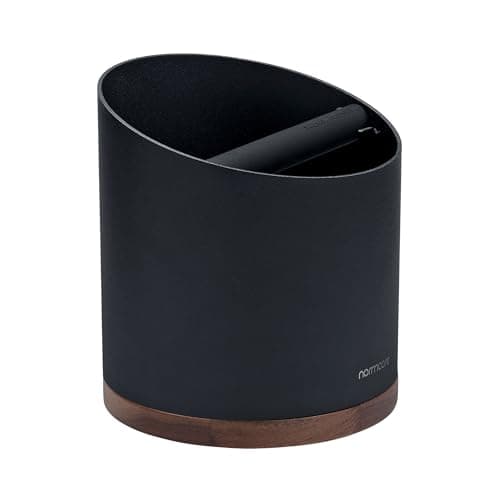
A padded bin for spent pucks. Unnecessary until the day you realize you have been knocking pucks into a bin liner and missing.
We have not compiled a cited spec sheet for this pick yet, so there is no spec table here. What follows is about fit — who it is for and who it is not — not about numbers we cannot source. See how we pick.
Coffee grounds in a sink drain compact into a plug. This is the whole argument, and it is enough of one.
Any container with a padded bar works. This is a category where the cheap version is genuinely fine.
What it does well
Keeps grounds out of the plumbing
Takes almost no counter space
What you give up
A bin with a bar across it is not a technical product
Skip it if you have a compost caddy within arm's reach of the machine. Knock into that instead and save the money for beans.
**Purge the steam wand and wipe it** immediately after every milk drink. Milk protein bakes onto a hot wand within seconds. Steam wand care.
**Knock the puck out and rinse the basket** after every shot. Wet grounds left in a warm basket go rancid quickly.
**Run a short flush through the group head** with the portafilter out, to clear loose grounds off the shower screen.
**Empty the drip tray** when you think of it. It is the thing that smells first.
The longer intervals
Weekly to monthly, a proper clean with a detergent — backflushing if your machine supports it, soaking if it does not. Every one to three months, a descale. And every few months, a look at the group gasket, which is the part that hardens with heat and eventually leaks around the portafilter.
A lot of what looks like a machine fault is a shot problem: sour, bitter, fast, slow, or a wet puck. Those have specific causes and specific fixes, and they are almost never a machine that needs servicing. Troubleshooting works through the symptoms one at a time.
Questions people actually ask
What is the difference between cleaning and descaling an espresso machine?+−
Cleaning removes coffee oils from the group head, portafilter and baskets using a detergent. Descaling removes mineral scale from the boiler and internal tubing using an acid-based descaler. They are different products for different problems and you need both.
How often should I descale my espresso machine?+−
Every one to three months for typical home use, and more often in a hard-water area. Your machine's manual will state an interval, and slow flow or weak steam are the signs you have left it too long.
What happens if I never descale?+−
Scale insulates the heating element and narrows the water path. The machine gets slower, steam gets weaker, temperature stability suffers, and eventually flow stops. It is the most common cause of a home machine dying young.
Do I need special cleaning products?+−
Yes for both jobs, and both are inexpensive. Espresso machine detergent for oils and a purpose-made descaler for scale. Household substitutes have real drawbacks — see descaling without descaler.