Heads up: we earn a commission if you buy through the links on this page, at no extra cost to you. It never changes the order of the list. Full disclosure · how we pick.
Almost every drink on a cafe menu is espresso plus some combination of milk, foam and water. Two variables separate them: **how much milk**, and **how much of that milk is foam**. Once you see that, the whole menu stops being a list to memorize. The cold versions work the same way, and espresso machines for iced coffee and cold brew covers which machine features actually change them.
Quick picks — Espresso drinks explained
#
Pick
Best for
Type
Price
1
No photo
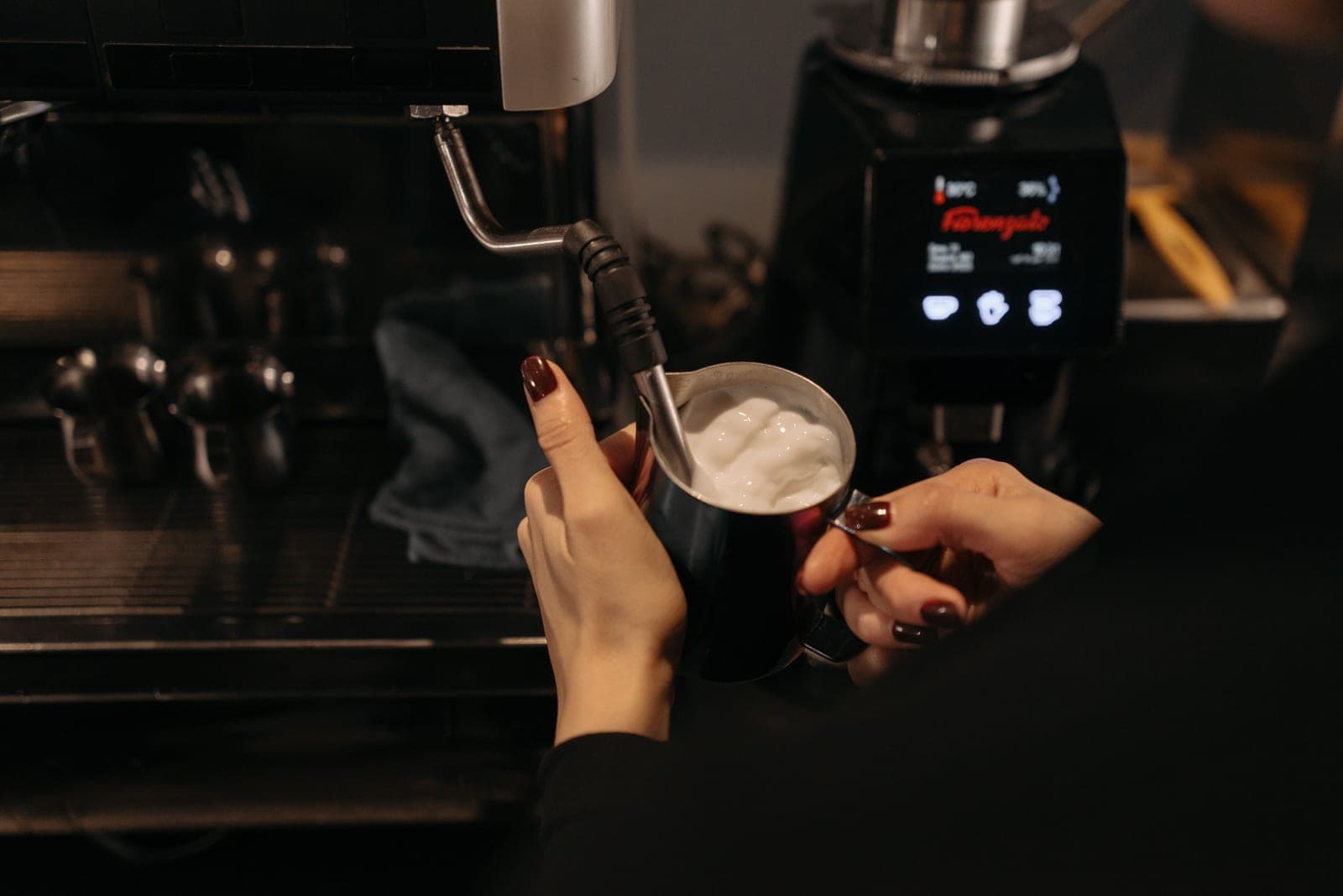
Normcore Stainless Milk PitcherTop pickA 12 oz stainless pitcher with a defined spout. Size matters more than brand: too big and the wand cannot reach, too small and it overflows.
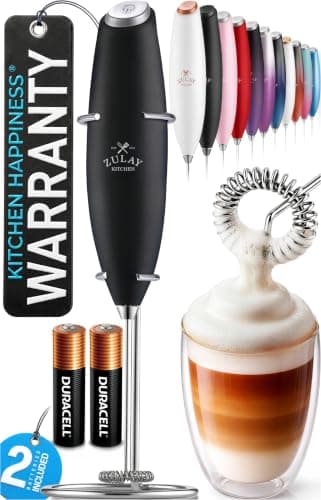
Zulay Handheld Milk FrotherA battery whisk. It makes airy foam rather than the dense microfoam a steam wand makes, and it costs less than a bag of beans.
We have not handled these units. Everything above comes from published manufacturer documentation, cited inline, plus arithmetic you can redo yourself. Everyone in this category says they tested twenty machines; we have not tested any, and we say so. Here is what we do instead.
01No photo
Normcore Stainless Milk Pitcher
The one milk item you cannot improvise
A 12 oz stainless pitcher with a defined spout. Size matters more than brand: too big and the wand cannot reach, too small and it overflows.
We have not compiled a cited spec sheet for this pick yet, so there is no spec table here. What follows is about fit — who it is for and who it is not — not about numbers we cannot source. See how we pick.
For one or two drinks, a 12 oz pitcher is the right size. Fill it to just below the spout base and the milk has room to expand.
A jug from the kitchen cupboard does not work: the wand tip needs the right depth and angle to spin the milk, and a straight-sided vessel will not do it.
What it does well
Correct geometry for the wand
Pointed spout is what makes a pour controllable
What you give up
Wrong size is a common mistake — 20 oz is too big for one latte
Skip it only if a pitcher came with your machine and it is around 12 oz — the Bambino Plus ships with a 16 fl oz one, which is fine.
A battery whisk. It makes airy foam rather than the dense microfoam a steam wand makes, and it costs less than a bag of beans.
We have not compiled a cited spec sheet for this pick yet, so there is no spec table here. What follows is about fit — who it is for and who it is not — not about numbers we cannot source. See how we pick.
A handheld frother whips air into milk. A steam wand heats and textures at the same time, which is what produces pourable microfoam. These are different results, not different quality levels of the same result.
For a cappuccino with a foam cap, a whisk is genuinely fine. For latte art, it is not going to happen.
What it does well
Cheapest possible route to a milk drink
Works with a moka pot, a lever press or an Aeropress
Nothing to plumb, nothing to descale
What you give up
Airy foam, not microfoam
You heat the milk separately
Skip it if your machine has a steam wand you intend to learn. It will sit in a drawer.
Less milk and a thinner, glossier foam. A flat white is smaller and the coffee is more prominent. A latte is larger with a thin foam cap. The flat white is the one that most depends on properly textured microfoam — see milk for latte art.
Cappuccino vs latte
Foam. A cappuccino is roughly equal parts espresso, steamed milk and thick foam; a latte is mostly steamed milk with a thin layer. A cappuccino is the more forgiving of the two if your milk is stiff, which is why a handheld frother makes a decent cappuccino and a poor flat white.
Cortado vs macchiato
A cortado is espresso cut with an equal volume of steamed milk. A macchiato is espresso *marked* with a small amount of milk and foam — much less milk. Both are small and strong; the cortado is smoother.
Americano vs long black
The order of pouring. An americano is espresso with hot water added, which breaks up the crema. A long black is espresso poured onto hot water, which keeps it. It is a small difference and it is genuinely noticeable in the first sip.
Making them at home
**Pull the shot first**, then steam the milk, then pour. Espresso deteriorates faster than textured milk does.
**Match the pitcher to the drink.** A 12 oz pitcher suits one latte; more milk than that will not spin properly. See milk pitchers.
**Foam thickness is set during the air phase.** Three to five seconds of air gives a flat white; a little longer gives a cappuccino. Method in how to steam milk.
**For an iced drink, add cold foam** — a steam wand cannot make it.
Questions people actually ask
What is the difference between a latte and a flat white?+−
A flat white is smaller with less milk and a thin, glossy microfoam, so the coffee is more prominent. A latte is larger, mostly steamed milk, with a thin foam layer on top.
What is the difference between a cappuccino and a latte?+−
Foam. A cappuccino is roughly equal parts espresso, steamed milk and thick foam. A latte is mostly steamed milk with a thin foam layer.
What is a cortado?+−
Espresso cut with an equal volume of steamed milk and very little foam — a small, smooth, strong drink, typically about 4 oz.
What is the difference between an americano and a long black?+−
The order of pouring. An americano adds hot water to espresso, which breaks up the crema; a long black pours espresso onto hot water, preserving it.