Heads up: we earn a commission if you buy through the links on this page, at no extra cost to you. It never changes the order of the list. Full disclosure · how we pick.
A latte is roughly one part espresso to five parts milk. That ratio should tell you where the attention belongs, and yet almost every first-machine guide spends its entire word count on the coffee. This hub is the other five parts. If you already know which drink you are making, milk frother for lattes and cappuccinos sorts the devices by the drink rather than by the type.
Foam and microfoam are different things
This distinction explains most of the disappointment in this category, so it is worth thirty seconds. **Foam** is milk with visible bubbles whipped into it — light, stiff, sits on top of a drink like a hat. **Microfoam** is milk with air folded in so finely that no bubble is visible; it pours like wet paint and blends into the coffee rather than floating on it.
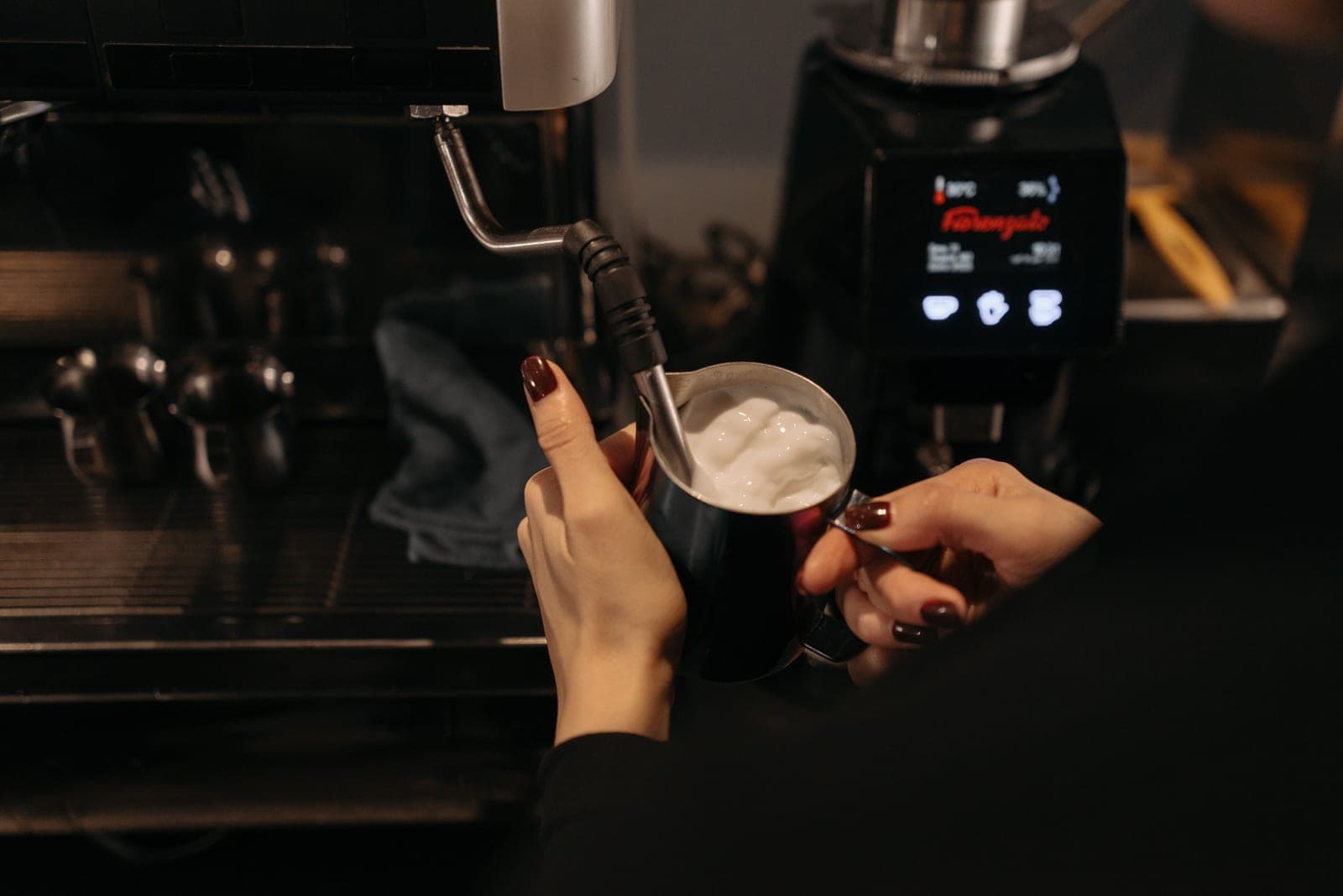
A steam wand makes microfoam, because it heats and folds at the same time. A whisk makes foam, because it beats air in without heat. Neither is wrong. They just make different drinks, and a cappuccino is happy with either while a flat white needs the first one.
What each method can actually pour
Method
Produces
Cappuccino
Latte
Flat white / latte art
Cold foam
Manual steam wand
Microfoam
Yes
Yes
Yes, with practice
No — a wand adds heat
Automatic steam wand
Microfoam at a set texture
Yes
Yes
Possible, not the aim
No
Standalone electric frother
Foam or microfoam depending on model
Yes
Yes
Rarely
Yes, on models with a cold setting
Handheld whisk
Foam
Yes
Acceptable
No
Yes
Manual plunger
Foam
Yes
Acceptable
No
Yes
Panarello sleeve on a cheap wand
Stiff foam
Yes
Acceptable
No
No
Quick picks — Milk and frothing
#
Pick
Best for
Type
Price
1
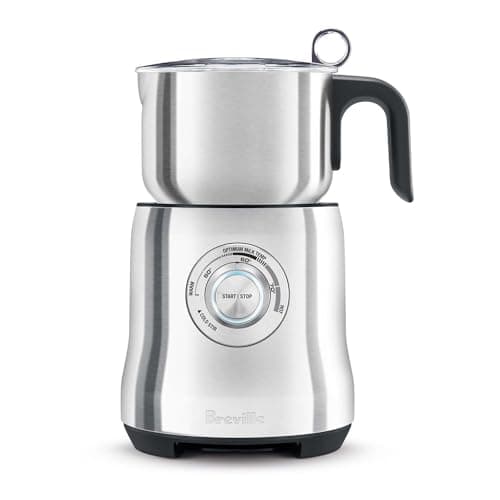
Breville Milk Café FrotherTop pickA standalone electric frother with a decent capacity — the answer when the machine has no wand and the household drinks lattes.
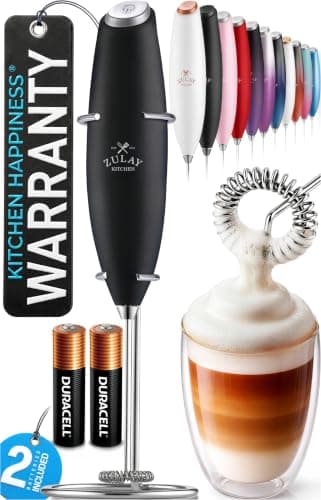
Zulay Handheld Milk FrotherA battery whisk. It makes airy foam rather than the dense microfoam a steam wand makes, and it costs less than a bag of beans.
We have not handled these units. Everything above comes from published manufacturer documentation, cited inline, plus arithmetic you can redo yourself. Everyone in this category says they tested twenty machines; we have not tested any, and we say so. Here is what we do instead.
01
Breville Milk Café Frother
Several milk drinks at once without a wand
A standalone electric frother with a decent capacity — the answer when the machine has no wand and the household drinks lattes.
We have not compiled a cited spec sheet for this pick yet, so there is no spec table here. What follows is about fit — who it is for and who it is not — not about numbers we cannot source. See how we pick.
Standalone frothers heat and froth in one carafe, unattended, which is a genuine advantage when you are making three drinks and only have two hands.
They take counter space and need washing, which is the trade against a wand you already own.
What it does well
Unattended, larger capacity
Temperature and texture settings
What you give up
Another appliance on the counter
Slower than a steam wand for a single drink
Skip it if you have a steam wand. Two ways to froth milk is one too many.
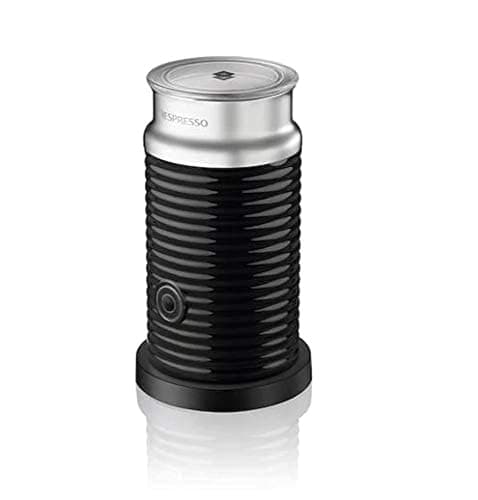
A one-button standalone frother that does hot milk, hot foam and cold foam. Simple, and that is the whole point.
We have not compiled a cited spec sheet for this pick yet, so there is no spec table here. What follows is about fit — who it is for and who it is not — not about numbers we cannot source. See how we pick.
The cold-foam setting is the useful one that steam wands cannot do: a wand adds heat by definition, so cold foam needs a whisk of some kind.
Capacity is small — think one or two drinks, not a household round.
What it does well
Hot and cold foam
One button, no settings to learn
What you give up
Small capacity
No control over texture
Skip it if you want to control the milk. It offers you exactly one result per mode.
A frother that also does cold foam for iced drinks
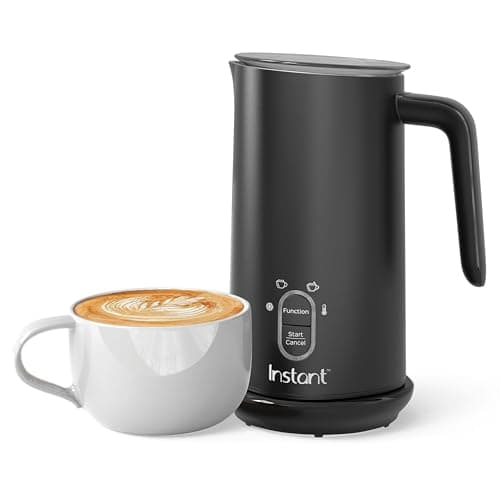
A multi-mode standalone frother covering hot milk, hot foam and cold foam, from a brand with wide availability.
We have not compiled a cited spec sheet for this pick yet, so there is no spec table here. What follows is about fit — who it is for and who it is not — not about numbers we cannot source. See how we pick.
Cold foam on iced drinks is the reason most people end up buying a standalone frother even when they own a steam wand.
Multi-mode frothers are all broadly similar. Choose on capacity and how easy the carafe is to wash, because that decides whether you keep using it.
What it does well
Covers hot and cold
Easy to find and replace
What you give up
Counter space
Non-stick carafes need care
Skip it if you only drink hot milk drinks and own a wand — you have already got this covered.
A battery whisk. It makes airy foam rather than the dense microfoam a steam wand makes, and it costs less than a bag of beans.
We have not compiled a cited spec sheet for this pick yet, so there is no spec table here. What follows is about fit — who it is for and who it is not — not about numbers we cannot source. See how we pick.
A handheld frother whips air into milk. A steam wand heats and textures at the same time, which is what produces pourable microfoam. These are different results, not different quality levels of the same result.
For a cappuccino with a foam cap, a whisk is genuinely fine. For latte art, it is not going to happen.
What it does well
Cheapest possible route to a milk drink
Works with a moka pot, a lever press or an Aeropress
Nothing to plumb, nothing to descale
What you give up
Airy foam, not microfoam
You heat the milk separately
Skip it if your machine has a steam wand you intend to learn. It will sit in a drawer.
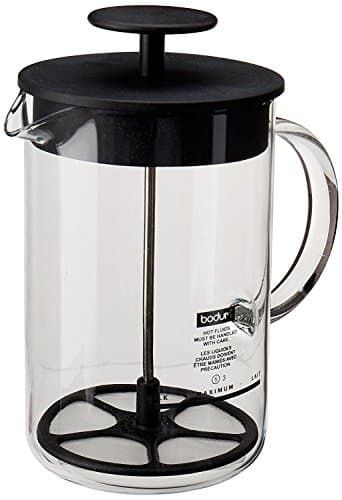
A glass jug with a plunger. You pump it. It is the cheapest thing here and it does not break.
We have not compiled a cited spec sheet for this pick yet, so there is no spec table here. What follows is about fit — who it is for and who it is not — not about numbers we cannot source. See how we pick.
You heat the milk first, then plunge. That is one more step than a battery whisk and one fewer thing to charge.
The foam is airy, like a French press makes. Same physics, same result.
What it does well
No power, no batteries, nothing to fail
Doubles as a milk jug
What you give up
You heat the milk separately
Glass, on a counter, near a machine
Skip it if you make milk drinks daily — the extra step gets old faster than you expect.
**Your machine has a bare steam wand.** You need a pitcher and the method, not a frother.
**Your machine has an automatic wand.** You need nothing. That is what you paid for.
**Your machine has no wand at all**, or you use a moka pot or a press. You need a frother — see frothing without a steam wand.
**You drink iced coffee with cold foam.** You need a whisk or a frother with a cold setting, even if you own a wand. Steam cannot make cold foam.
The milk itself matters more than the device
Whole dairy milk is the most forgiving thing you can put in a pitcher, and among plant milks the barista editions are formulated to hold structure where the standard versions collapse. That single choice makes more difference than upgrading a frother — see which milk to use.
Questions people actually ask
What is the best milk frother for home espresso?+−
If your machine has a steam wand, none — you need a pitcher, not a frother. If it does not, a standalone electric frother heats and froths unattended and a handheld whisk costs a fraction as much and does most of the job.
What is the difference between foam and microfoam?+−
Foam has visible bubbles and sits on top of the drink. Microfoam has none and pours like wet paint into the coffee. A steam wand makes microfoam; a whisk makes foam.
Can I make cold foam with a steam wand?+−
No. A steam wand adds heat by definition, so cold foam needs a whisk or a frother with a cold setting. See cold foam.
Do I need a special jug to steam milk?+−
Yes. Steam texturing depends on a vortex forming in the milk, and a straight-sided jug will not produce one. A 12 oz pitcher with a pointed spout is the standard answer.