Heads up: we earn a commission if you buy through the links on this page, at no extra cost to you. It never changes the order of the list. Full disclosure · how we pick.
**Espresso is a brewing method.** It is not a type of bean, a roast level or a measure of strength. You make espresso by forcing hot water through a compressed bed of finely ground coffee under pressure, quickly, producing a small amount of concentrated liquid with a layer of foam on top.
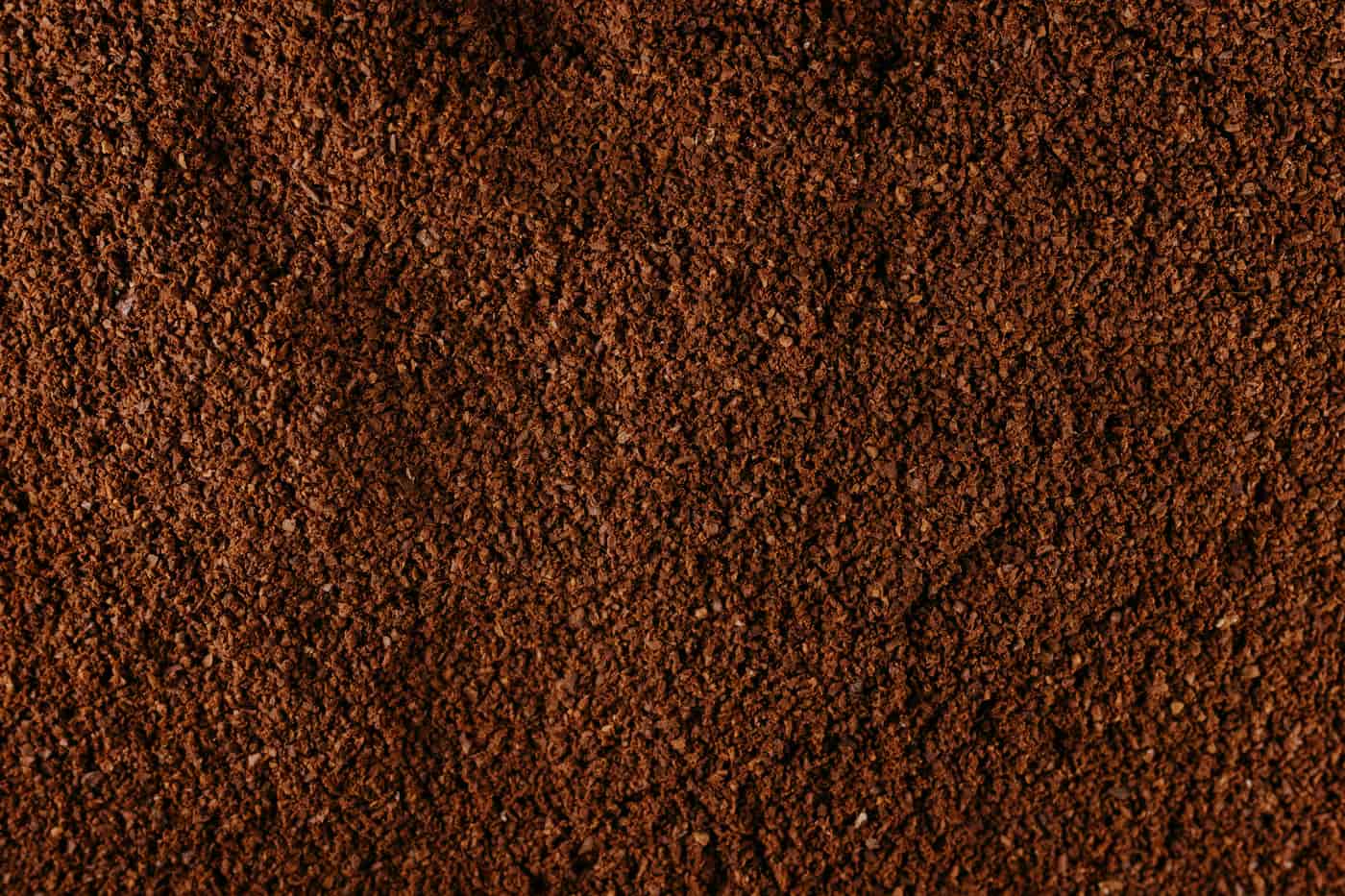
The National Coffee Association describes it as a 1:2 ratio — 1 gram of dry coffee to 2 grams of brewed espresso — over 20 to 30 seconds of brewing, with the coffee ground fine, like table salt. That is the definition in one sentence, and everything else about espresso follows from it.
Quick picks — What espresso actually is
#
Pick
Best for
Type
Price
1
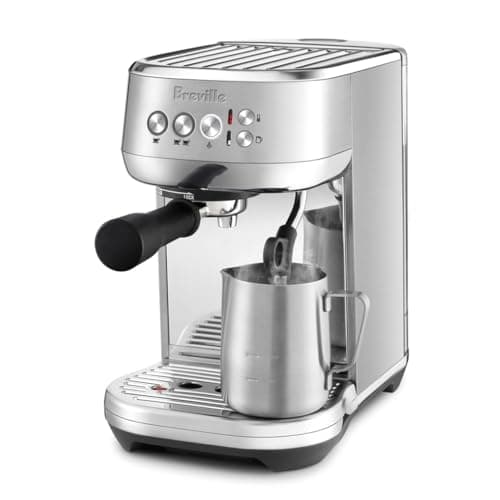
Breville Bambino Plus (BES500)Top pickThe standard answer to “which first machine” — full 54 mm portafilter and an 18 g dose, with the milk step automated so a flat white is possible on day one.
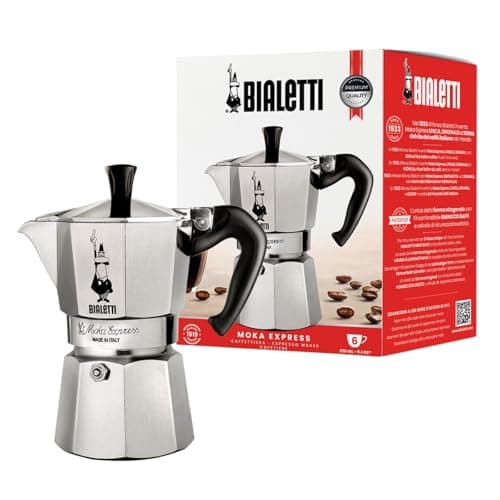
Bialetti Moka ExpressNot an espresso machine and not pretending to be one. It makes a strong, concentrated stovetop coffee, and it is the honest first step for a lot of people.
Strong coffee now, for the price of a takeaway lunch
We have not handled these units. Everything above comes from published manufacturer documentation, cited inline, plus arithmetic you can redo yourself. Everyone in this category says they tested twenty machines; we have not tested any, and we say so. Here is what we do instead.
01
Breville Bambino Plus (BES500)
A first machine you will not outgrow in a year
The standard answer to “which first machine” — full 54 mm portafilter and an 18 g dose, with the milk step automated so a flat white is possible on day one.
Published specifications for the Breville Bambino Plus (BES500), with sources
54 mm tamper, Razor dosing tool, 16 fl oz milk jug, single- and dual-wall baskets, cleaning tool and disc [source]
The 54 mm portafilter and 18 g dose matter more than they sound: they put the machine on the same dose a cafe uses, so any recipe you read applies to it directly and every 54 mm accessory fits.
The three-second heat-up is the difference between espresso being a weekday habit and a weekend project. A machine that takes fifteen minutes to be ready is a machine you use on Sundays.
The automatic steam wand is the single biggest reason this suits a first setup. Milk texturing is the skill that takes longest to learn; handing it to the machine removes the part most likely to make you give up.
What it does well
Standard 54 mm basket, so recipes and accessories from anywhere fit
Ready in seconds, which is what makes it a habit rather than a project
Automatic milk means a drinkable cappuccino before you can texture by hand
The manual wand is still there when you want to learn
What you give up
No grinder — budget for one separately, and that is the right trade
Small water tank compared with a bean-to-cup machine; refills are frequent
Nothing here helps if your grinder cannot go fine enough
Skip it if you want one box that does everything with no learning curve — a bean-to-cup machine is the honest answer for that, and it is a different product.
Strong coffee now, for the price of a takeaway lunch
Not an espresso machine and not pretending to be one. It makes a strong, concentrated stovetop coffee, and it is the honest first step for a lot of people.
We have not compiled a cited spec sheet for this pick yet, so there is no spec table here. What follows is about fit — who it is for and who it is not — not about numbers we cannot source. See how we pick.
A moka pot brews at a fraction of espresso pressure, so it produces a concentrate rather than espresso with crema. That is a category difference, not a quality one.
It is the correct recommendation for anyone who wants a strong milk drink at home and does not want to own a grinder yet.
What it does well
Costs less than most espresso accessories
Nothing to descale, nothing to plug in, nothing to break
Works with supermarket pre-ground coffee
What you give up
It is not espresso and cannot be dialed in like espresso
No steam wand, so milk drinks need a separate frother
Skip it if you specifically want espresso with crema and the ability to control the shot. A moka pot cannot do that and never will.
The whole point. Pressure forces water through a bed too fine for gravity
Grind
Fine, like table salt (NCA)
Creates the resistance that makes pressure meaningful
Ratio
About 1:2 by weight (NCA)
18 g in, 36 g out. Sets concentration
Time
20-30 seconds (NCA)
Long enough to extract, short enough to avoid the bitter end
Note that 9 bar figure. Machines advertise a 15 or 20 bar pump, which is the pump's maximum rather than the pressure at the coffee. Breville is explicit about the difference on its own product pages: a 15 bar Italian pump running a 9 bar extraction. A bigger number on the box is a bigger pump, not a better shot. What pump pressure actually means applies that to choosing a machine.
What crema is
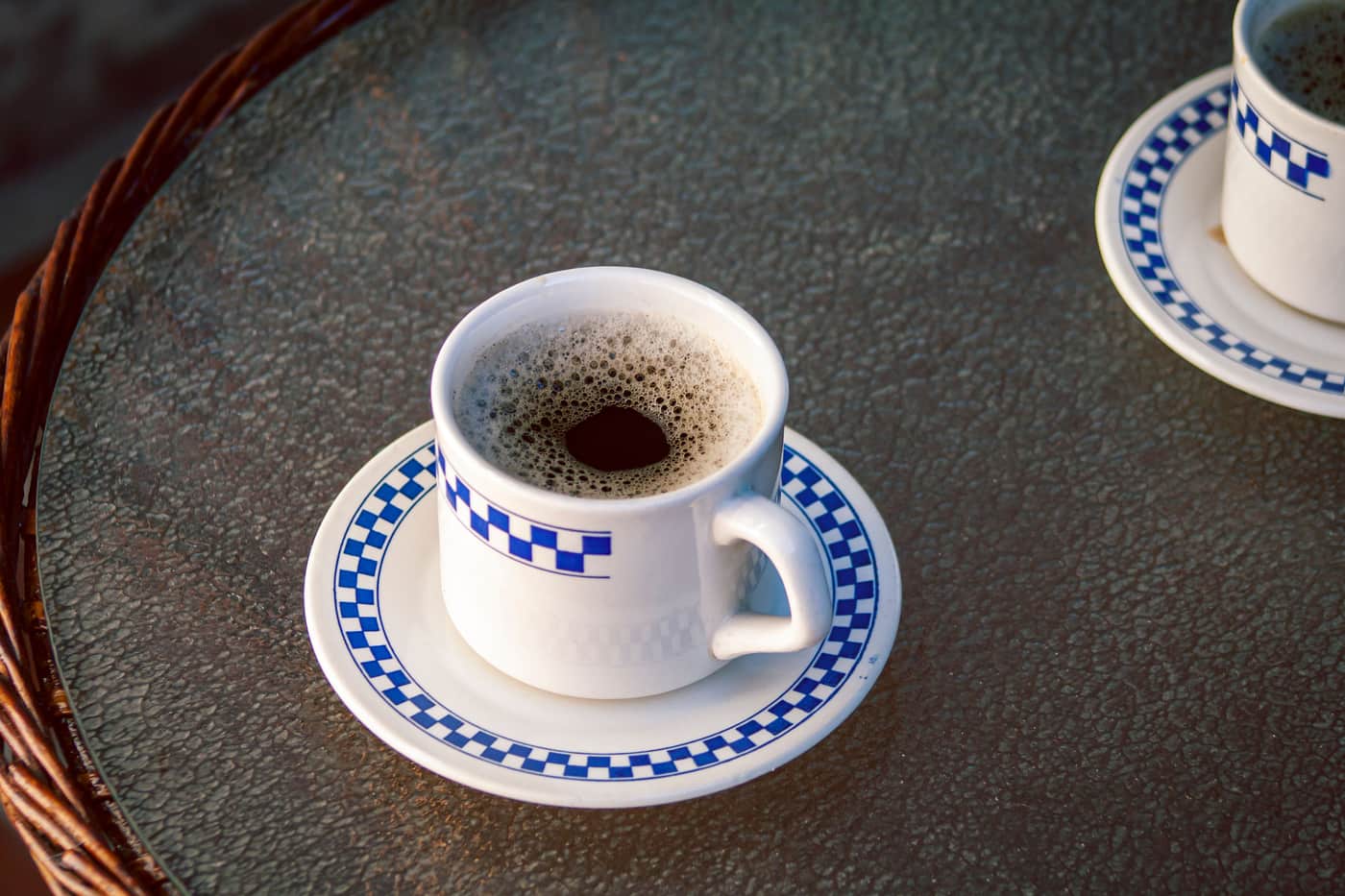
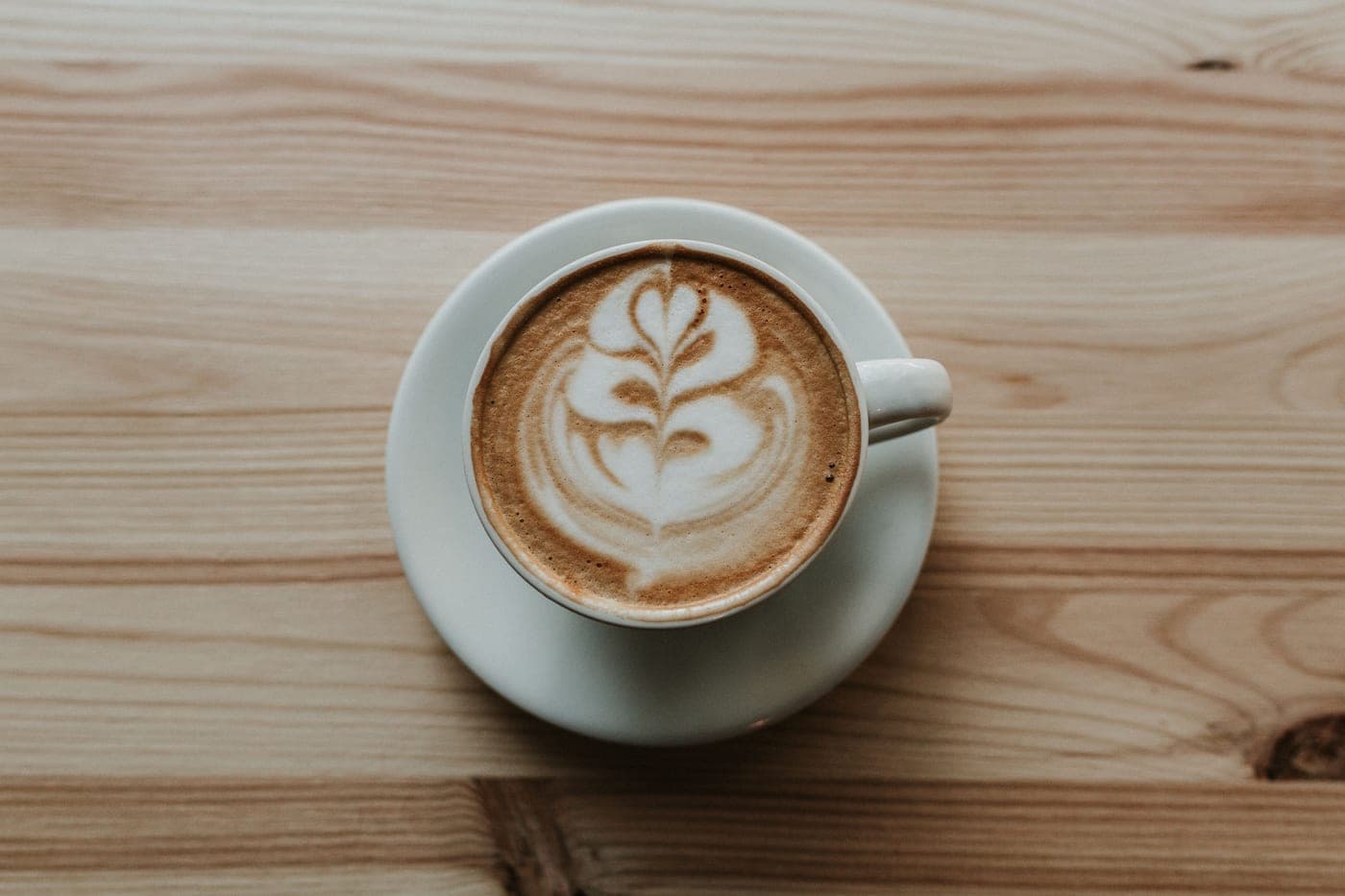
The tan foam on top. It is carbon dioxide — absorbed by the beans during roasting — emulsified with coffee oils under pressure. That is why fresh coffee makes more of it and old coffee makes almost none: the gas has escaped — best espresso beans for crema is the buying version of that.
It is also why crema is an unreliable quality signal. A pressurized (dual-wall) basket manufactures crema mechanically by forcing coffee through a small hole, regardless of grind or freshness. Beautiful crema from a pressurized basket tells you the basket works.
**Not a bean.** Coffee sold as "espresso roast" is usually a medium-dark blend chosen to suit the method. Any coffee can be brewed as espresso — see choosing beans.
**Not the strongest coffee.** It is the most concentrated per milliliter, and a double shot has less total caffeine than a mug of drip coffee, because there is far less of it.
**Not a dark roast requirement.** Light roasts make excellent espresso; they are just less forgiving. See light versus dark.
Questions people actually ask
What is the difference between coffee and espresso?+−
Espresso is a way of brewing coffee, not a different substance. It uses fine grounds, around 9 bar of pressure, a roughly 1:2 ratio and 20 to 30 seconds — versus a coarser grind and several minutes under gravity for drip.
Is espresso stronger than regular coffee?+−
More concentrated per milliliter, yes. In total caffeine per drink, usually less than a mug of drip coffee, because a double espresso is a much smaller volume.
Do you need special beans for espresso?+−
No. Any coffee can be brewed as espresso. Beans sold as espresso roast are usually medium-dark blends chosen to be forgiving, which suits a beginner.
What is crema?+−
Carbon dioxide from the roasting process emulsified with coffee oils under pressure. Fresh coffee makes more of it. A pressurized basket also manufactures it mechanically, so its presence alone does not indicate a good shot.
How many bars of pressure does espresso need?+−
Around 9 bar at the coffee. Machines advertise a 15 or 20 bar pump, which is the pump's maximum rather than the brew pressure — Breville states a 15 bar pump and a 9 bar extraction on its own machines.