Heads up: we earn a commission if you buy through the links on this page, at no extra cost to you. It never changes the order of the list. Full disclosure · how we pick.
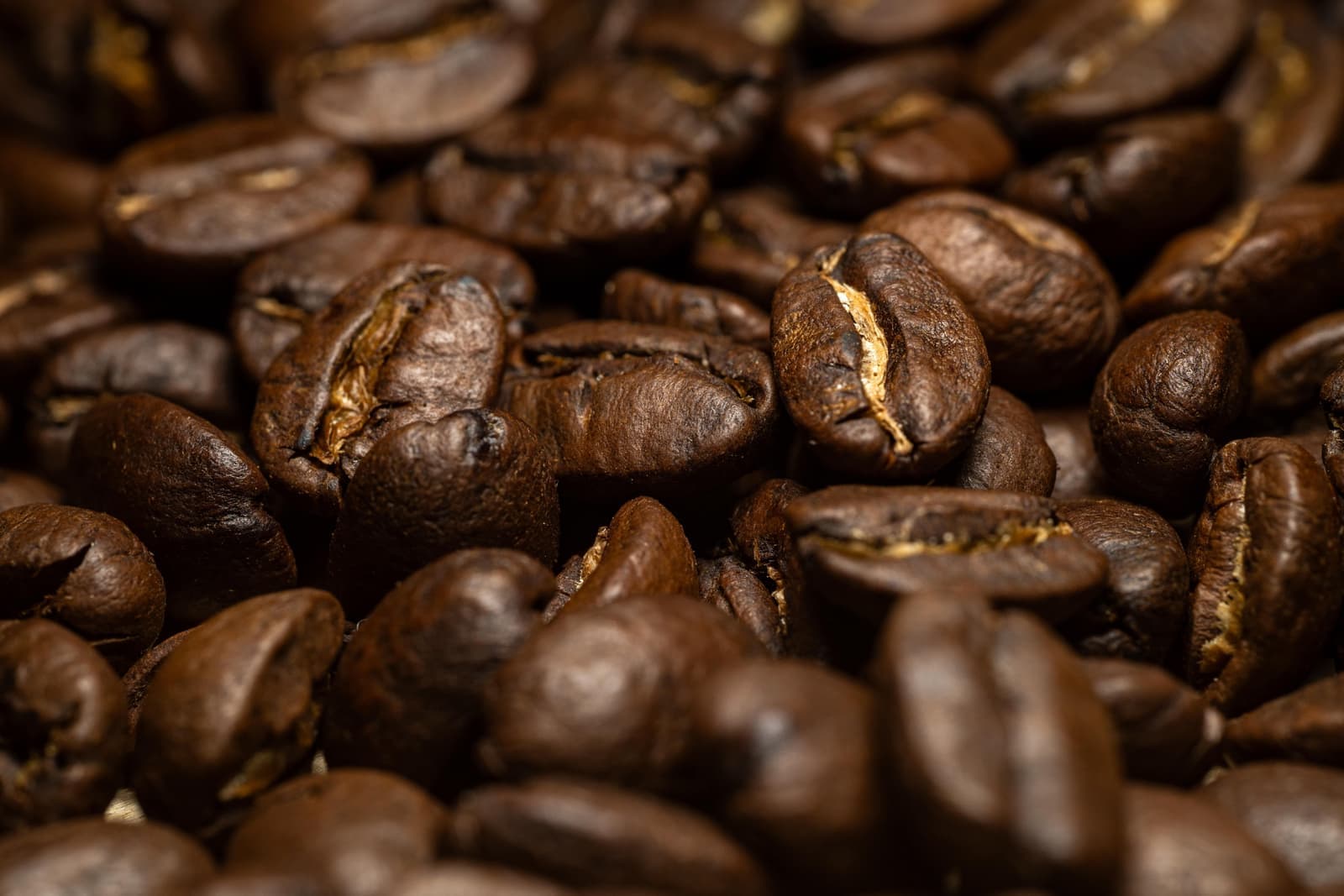
The National Coffee Association groups roasts into three color categories — light, medium and dark — with beans brought rapidly to an internal temperature over 400°F. Light roasts are light brown and matte because the oils have not broken through the surface; medium roasts are medium brown and non-oily; dark roasts are shiny and black with an oily surface and a pronounced bitterness.
For espresso specifically, four things follow from that.
Quick picks — Light vs dark roast for espresso
#
Pick
Best for
Roast
Price
1
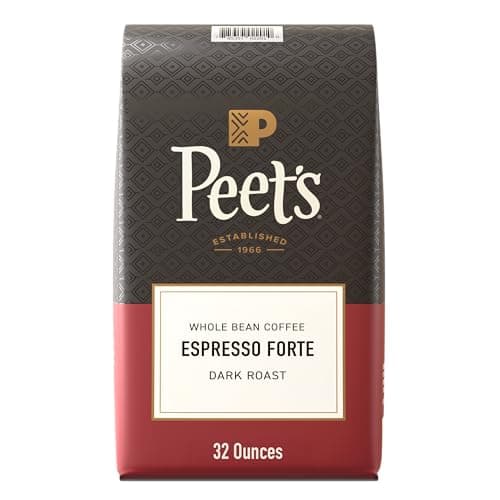
Peet's Coffee Espresso ForteTop pickA dark-roast espresso blend. Dark roasts hold their own in a latte, which is what most first setups are making.
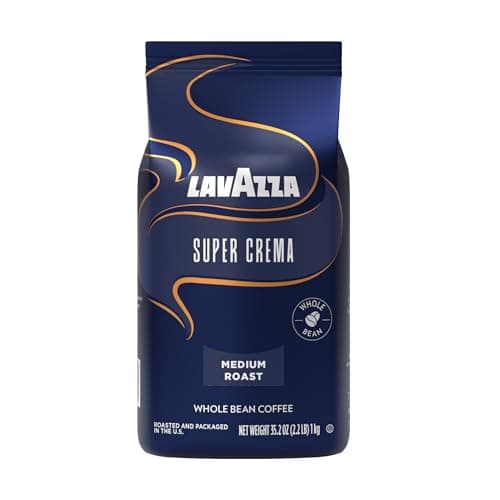
Lavazza Super CremaA medium-roast blend built for espresso and sold everywhere. Forgiving of an imperfect grind, which is what a first bag needs to be.
We have not handled these units. Everything above comes from published manufacturer documentation, cited inline, plus arithmetic you can redo yourself. Everyone in this category says they tested twenty machines; we have not tested any, and we say so. Here is what we do instead.
01
Peet's Coffee Espresso Forte
A darker roast that cuts through milk
A dark-roast espresso blend. Dark roasts hold their own in a latte, which is what most first setups are making.
We have not compiled a cited spec sheet for this pick yet, so there is no spec table here. What follows is about fit — who it is for and who it is not — not about numbers we cannot source. See how we pick.
The National Coffee Association notes that the lighter the roast, the more acidic the brewed coffee — and that dark roasts give up acidity for that pronounced bitterness people read as “strong”.
In a milk drink, a lighter roast often disappears. A dark blend is the reliable answer for a morning latte.
What it does well
Stands up to milk
Widely available fresh in US supermarkets
What you give up
Oily beans can clog a grinder chute over time
Less interesting black
Skip it if you drink espresso straight and dislike bitterness — go a roast level lighter.
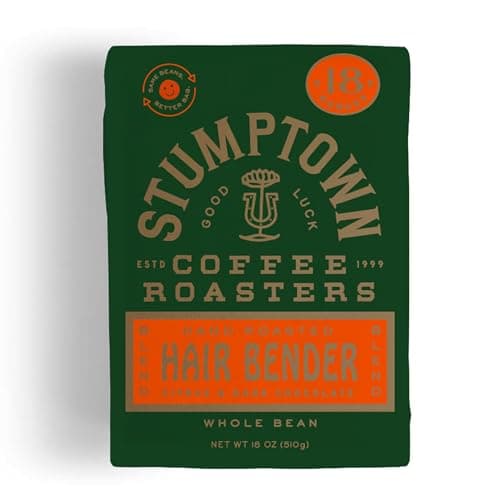
A specialty blend with a printed roast date, which is the actual upgrade — you finally know how old your coffee is.
We have not compiled a cited spec sheet for this pick yet, so there is no spec table here. What follows is about fit — who it is for and who it is not — not about numbers we cannot source. See how we pick.
The roast date is the feature. The National Coffee Association gives whole beans roughly one to three weeks at room temperature before freshness drops off, and you cannot manage that window without knowing the start of it.
Specialty beans are less forgiving. Buy this after the machine is dialed in, not before.
What it does well
Printed roast date
A genuine step up in the cup once you can taste it
What you give up
Costs multiples of a supermarket blend
Less forgiving of a rough grind
Skip it while you are still learning to grind. You will not taste the difference you paid for.
A medium-roast blend built for espresso and sold everywhere. Forgiving of an imperfect grind, which is what a first bag needs to be.
We have not compiled a cited spec sheet for this pick yet, so there is no spec table here. What follows is about fit — who it is for and who it is not — not about numbers we cannot source. See how we pick.
Blends built for espresso are easier to dial in than single-origin light roasts, which is why every café starts a new machine on one.
Availability is a real feature at this stage. A bean you can rebuy in any supermarket means you are changing one variable at a time.
What it does well
Very widely stocked
Tolerant of a grind that is not quite right yet
What you give up
Bags often sit on shelves — check the roast date if there is one
Skip it if you already know you like bright, fruity coffee. This is deliberately the opposite of that.
The NCA states plainly that the lighter the roast, the more acidic the brewed coffee, and that dark roasts produce even less acidic coffee than lighter ones. In an espresso that acidity reads as brightness or fruitiness at the right extraction and as sourness at the wrong one — which is why a light roast punishes a poor grind harder. If acidity is specifically what you are trying to reduce, low acid coffee for espresso starts from that same published fact.
2. Caffeine: the answer is counterintuitive
The NCA is direct about this: light roasts have a slightly higher amount of caffeine, and the strong, rich flavor of a dark roast is not associated with caffeine levels. A dark roast tastes stronger and is not stronger. If somebody has told you the opposite, this is the correction.
3. Grinding: dark roasts are more brittle
Roasting drives out moisture and makes beans more fragile, so a dark roast fractures more easily and grinds finer at the same setting. Switching from a medium to a dark roast usually means going a click or two coarser. That surprises people who assume the grinder setting is a property of the grinder.
4. In milk: darker wins
A latte is roughly five parts milk to one part espresso. A delicate light roast largely disappears into that; a darker roast has the body and bitterness to still be recognizable. If most of your drinks have milk in them, that is a real argument for a medium-dark blend regardless of what tastes best black.
Roast level for espresso, summarized
Light
Medium
Dark
Appearance
Light brown, matte
Medium brown, not oily
Shiny black, oily
Acidity
Highest
Moderate
Lowest
Caffeine
Slightly higher
Between
Slightly lower
Forgiveness of grind
Low
Good
High
In milk
Often lost
Works
Cuts through
Grind setting
Coarser at the same taste
Baseline
Finer at the same setting — go a click coarser
Effect on the grinder
Clean
Clean
Oils can build up in the chute
Which to buy
Medium or medium-dark for a first setup, because it is forgiving and works in milk. Move lighter once you can hit your target consistently and want to taste something other than chocolate. Move darker if your drinks are mostly milk and you want more of the coffee to come through.
Questions people actually ask
Is light or dark roast better for espresso?+−
Neither is better. Dark roasts are more forgiving of an imperfect grind and cut through milk; light roasts are brighter and more interesting but punish a rough grind. Medium is the sensible default for a first setup.
Does dark roast have more caffeine?+−
No — the opposite, slightly. The National Coffee Association states that light roasts have a slightly higher amount of caffeine, and that the strong flavor of a dark roast is not associated with caffeine levels.
Which roast is less acidic?+−
Dark. The National Coffee Association states that the lighter the roast, the more acidic the brewed coffee, and that darker roasts produce even less acidic coffee.
Do I need to change my grind for a different roast?+−
Usually yes. Darker roasts are more brittle and grind finer at the same setting, so expect to go a click or two coarser when you switch to one.