Heads up: we earn a commission if you buy through the links on this page, at no extra cost to you. It never changes the order of the list. Full disclosure · how we pick.
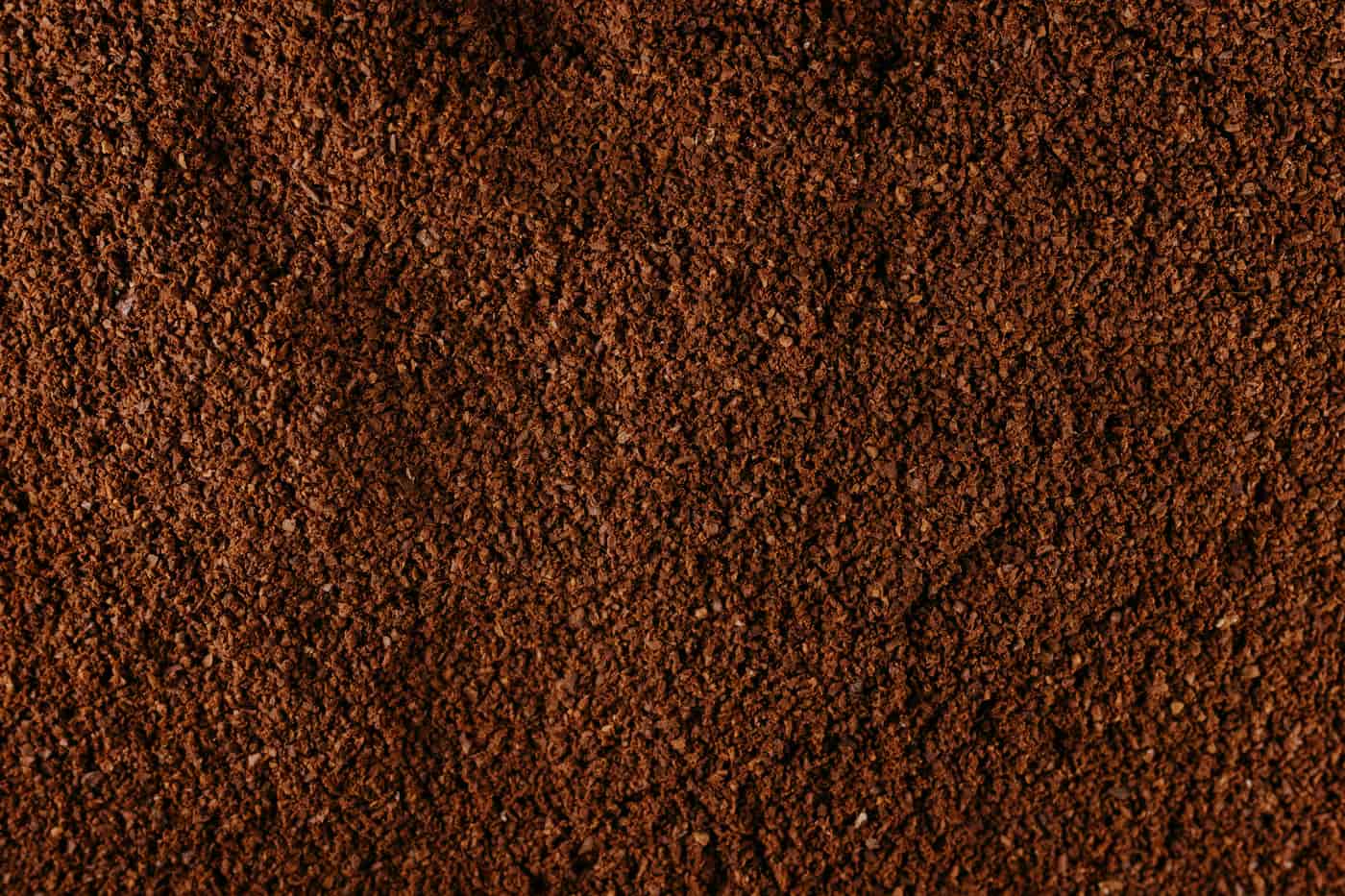
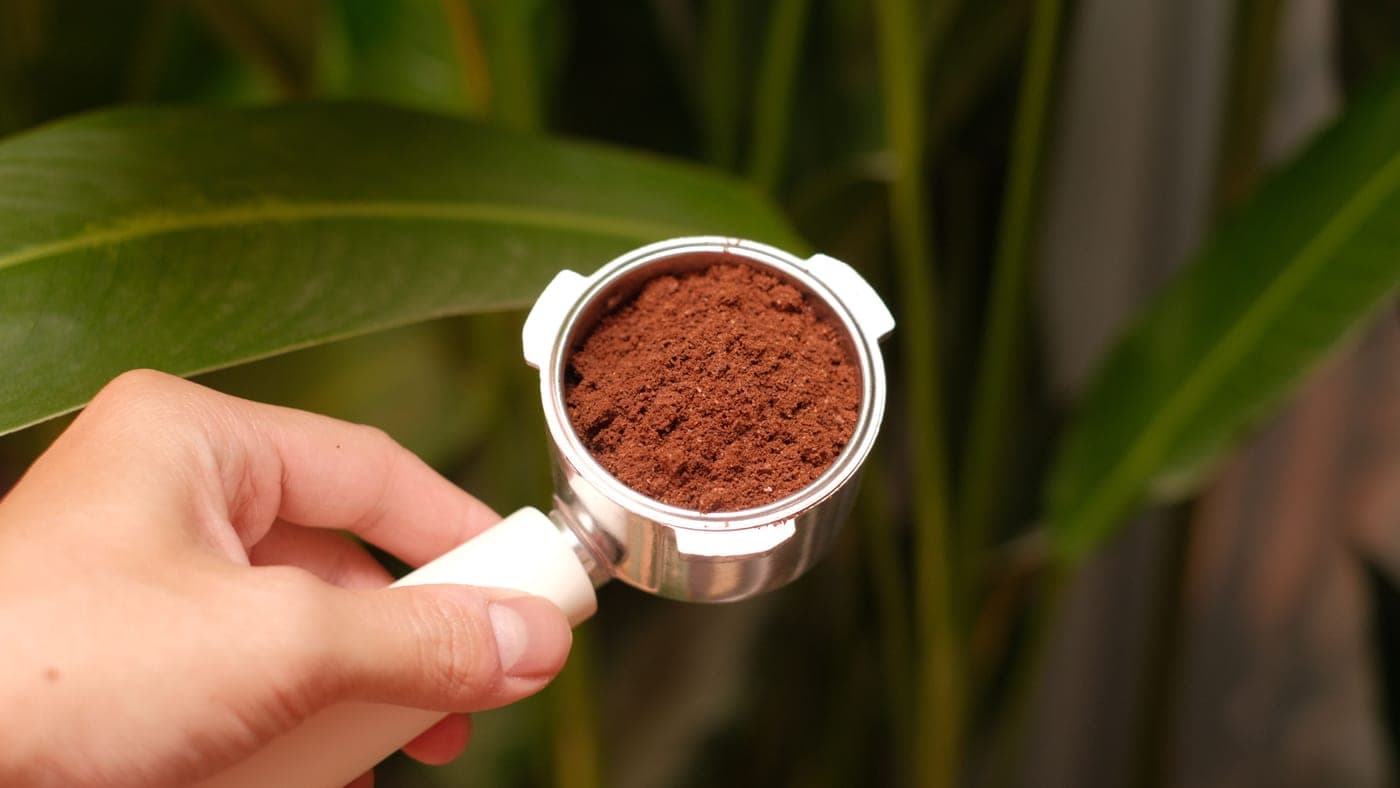
**The answer, up front:** espresso grind is fine — the National Coffee Association describes it as fine, like table salt. It should clump slightly when you squeeze it and feel closer to flour than to sand. That is the starting point, not the destination, because the exact setting depends on your beans, your machine and how old the coffee is.
How to find it on a grinder you have never used
Set the grinder near its finest setting, then back off a few steps. You are looking for the coarse edge of the espresso zone.
Grind 18 g, put it in the basket, level it, tamp it, and pull a shot with a scale under the cup.
Time it from the moment the pump starts. Aim to reach roughly 36 g in the cup — a 1:2 ratio, which is what the NCA describes — in 20 to 30 seconds.
Too fast? Go finer. Too slow, or barely dripping? Go coarser.
Change one setting at a time, and write the number down. On a grinder with countable clicks this takes three or four shots.
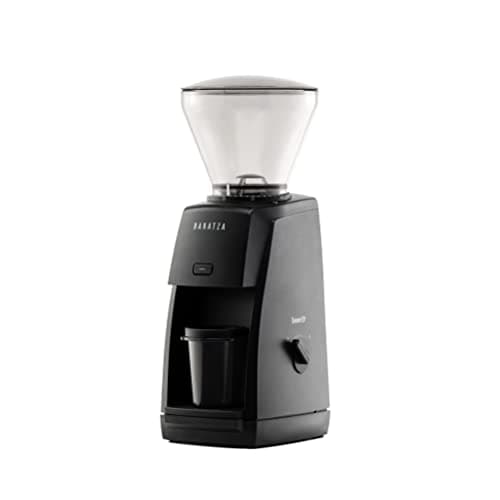
Baratza Encore ESPTop pickAn Encore reworked for espresso: the first 20 clicks are a fine, high-resolution espresso range, and the remaining 20 cover filter.
1Zpresso JX-ProBigger, heavier and higher-capacity than the Q2, with the adjustment resolution that makes espresso dial-in on a hand grinder realistic.
We have not handled these units. Everything above comes from published manufacturer documentation, cited inline, plus arithmetic you can redo yourself. Everyone in this category says they tested twenty machines; we have not tested any, and we say so. Here is what we do instead.
01
Baratza Encore ESP
The default first electric grinder
An Encore reworked for espresso: the first 20 clicks are a fine, high-resolution espresso range, and the remaining 20 cover filter.
Published specifications for the Baratza Encore ESP, with sources
Burr
40 mm M2 conical, quick-release for cleaning [source]
Grind range
#1-20 optimized for espresso in fine steps; #21-40 for filter [source]
Burr speed
550 RPM, reduced to limit heat, noise and static [source]
Twenty fine clicks inside the espresso range is the specification that matters. Grinders that give you five usable espresso settings cannot be dialed in; this one can.
550 RPM is deliberately slow. Slower burrs mean less heat and less static, which in practice means less ground coffee stuck to the inside of the chute and thrown around your counter.
It ships with both 54 mm and 58 mm dosing, which covers a Breville and a Gaggia without buying anything else.
What it does well
Genuine fine adjustment across the espresso range
Covers filter grinding too, so it is not a single-purpose purchase
Quick-release burr makes cleaning a two-minute job
Fits both common portafilter sizes out of the box
What you give up
Retains some grounds between doses, like most hoppered grinders
Louder than a hand grinder, obviously
Skip it if you already have a capable hand grinder and only make one or two drinks a day — you would be buying convenience, not better coffee.
A setting that was perfect last week can be wrong today, and that is normal rather than a fault. Three things move it:
**Bean age.** Fresh coffee releases more gas, which resists water and slows the shot. As a bag ages, the same setting runs faster.
**A new bag.** Different origin, different roast, different density. Expect to re-dial. Darker roasts are more brittle and grind finer at the same setting.
**Humidity.** Ground coffee absorbs moisture from the air, which changes how it packs.
The comparison that helps most
Grind size across brew methods
Method
Grind
Feels like
Espresso
Fine
Table salt to flour — clumps when squeezed
Moka pot
Fine to medium-fine
A step coarser than espresso
Pour-over
Medium
Sand
Drip
Medium
Sand
French press
Coarse
Sea salt or breadcrumbs
Questions people actually ask
What grind size is espresso?+−
Fine. The National Coffee Association describes espresso grind as fine, like table salt. In practice it should clump slightly when squeezed between your fingers.
Should I grind finer or coarser if my shot is too fast?+−
Finer. A fast shot means water is finding it too easy to get through, so you make the bed more resistant by grinding finer.
How long should an espresso shot take?+−
The National Coffee Association gives 20 to 30 seconds of brewing time at roughly a 1:2 ratio — about 18 g of dry coffee producing about 36 g in the cup.
Why does my grind setting keep changing?+−
Bean age, a new bag and humidity all move it. Fresh coffee slows shots down; the same setting runs faster as the bag ages. Re-dialing with each new bag is normal, not a fault.
Can I use a drip grind for espresso?+−
No — it is far too coarse and the shot will gush through in seconds. That is why pre-ground supermarket coffee does not work in a single-wall basket.