Heads up: we earn a commission if you buy through the links on this page, at no extra cost to you. It never changes the order of the list. Full disclosure · how we pick.
The hub explains why each of these matters. This page is just the list, so you can see the whole shape of it and decide honestly which parts you will actually do.
Quick picks — The maintenance schedule
#
Pick
Best for
Type
Price
1
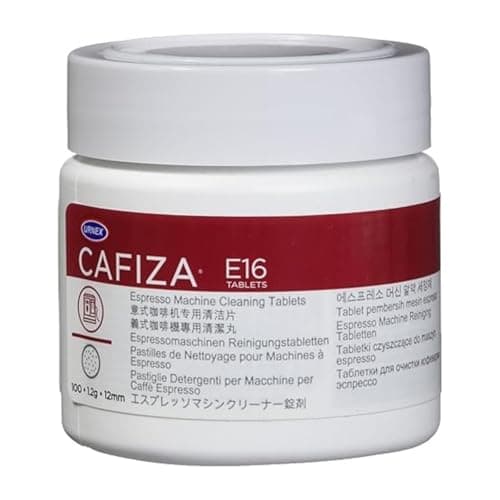
Urnex Cafiza Espresso Machine Cleaning TabletsTop pickThe standard espresso-machine detergent tablet. It removes coffee oil residue, which is a different job from descaling.
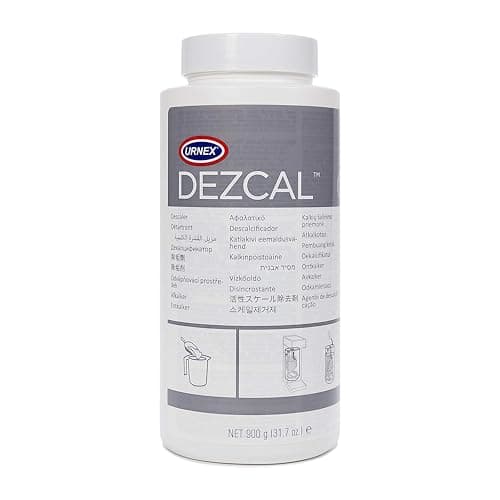
Urnex Dezcal DescalerA citric-acid-based descaler. This is the product that goes in the water tank, and the one people substitute vinegar for and regret.
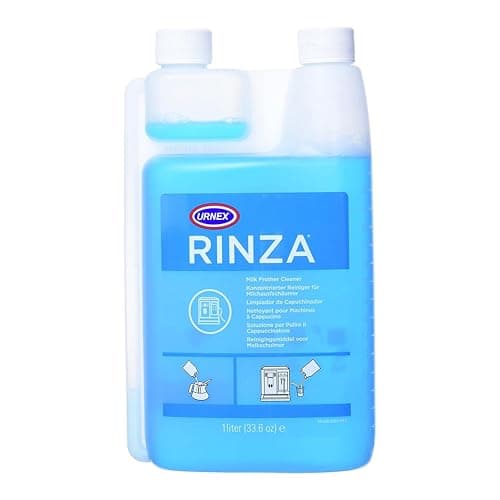
Urnex Rinza Milk Frother CleanerAn alkaline cleaner for milk residue. Necessary for automatic milk systems, useful for a manual wand you have not been perfect with.
A steam wand or milk system that has had milk in it
We have not handled these units. Everything above comes from published manufacturer documentation, cited inline, plus arithmetic you can redo yourself. Everyone in this category says they tested twenty machines; we have not tested any, and we say so. Here is what we do instead.
01
Urnex Cafiza Espresso Machine Cleaning Tablets
Backflushing coffee oils out of the group
The standard espresso-machine detergent tablet. It removes coffee oil residue, which is a different job from descaling.
We have not compiled a cited spec sheet for this pick yet, so there is no spec table here. What follows is about fit — who it is for and who it is not — not about numbers we cannot source. See how we pick.
Cleaning and descaling are two different tasks with two different products. Cleaner removes coffee oils from the group head and baskets; descaler removes mineral scale from the boiler.
Using descaler where cleaner is needed leaves the oils, and the shots keep tasting stale and bitter no matter how new the beans are.
What it does well
Does the job the machine manual asks for
Tablets are pre-dosed, so there is nothing to measure
What you give up
Only backflushable machines can use the full procedure
Not a descaler — you need both
Skip it only if your machine's manual specifically forbids backflushing — some entry machines do. Wipe and soak instead.
A citric-acid-based descaler. This is the product that goes in the water tank, and the one people substitute vinegar for and regret.
We have not compiled a cited spec sheet for this pick yet, so there is no spec table here. What follows is about fit — who it is for and who it is not — not about numbers we cannot source. See how we pick.
Scale builds wherever water is heated. It insulates the heating element, slows the flow and eventually stops the machine — and the failure looks like “my machine is not brewing”.
Vinegar does dissolve scale. It also lingers in seals and rubber, and several manufacturers void warranty coverage for it. A purpose-made descaler costs a few dollars a year.
What it does well
The product manuals actually specify
Rinses out cleanly
What you give up
A recurring cost, however small
Descaling frequency depends on your water hardness
Skip it only if your machine manufacturer sells its own branded descaler and voids warranty for anything else — then buy theirs.
A steam wand or milk system that has had milk in it
An alkaline cleaner for milk residue. Necessary for automatic milk systems, useful for a manual wand you have not been perfect with.
We have not compiled a cited spec sheet for this pick yet, so there is no spec table here. What follows is about fit — who it is for and who it is not — not about numbers we cannot source. See how we pick.
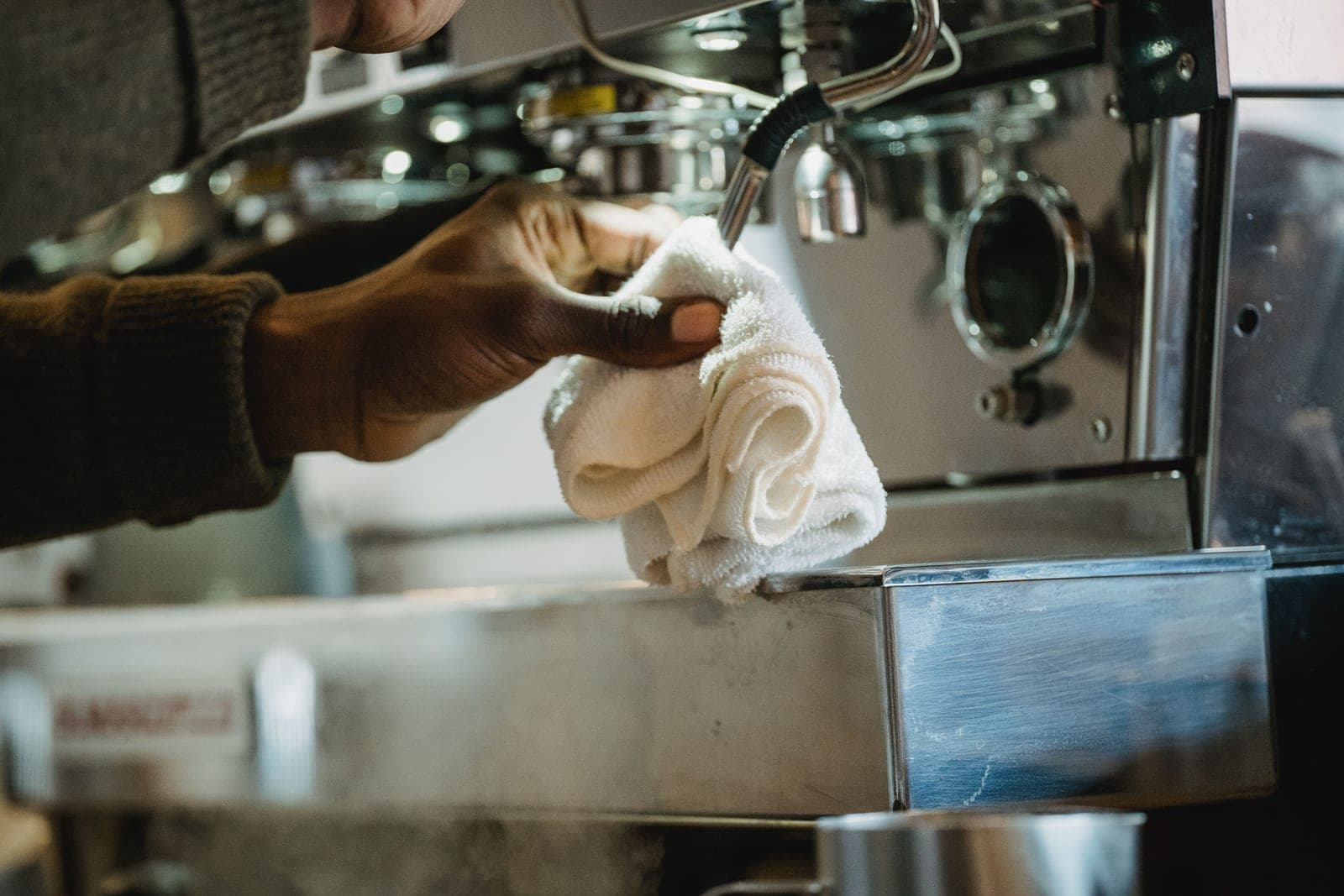
Milk protein bakes onto a hot wand within seconds. Purging and wiping the wand immediately after every use prevents almost all of it, for free.
Where a cleaner earns its place is automatic milk systems with tubes you cannot reach with a cloth.
What it does well
Reaches the parts of a milk system a cloth cannot
Cheap per use
What you give up
Unnecessary if you wipe and purge a manual wand every time
Skip it if you have a manual wand and you already purge and wipe it after every drink. That habit does the same job for nothing.
**Replace the group gasket** if the portafilter has started to sit at a noticeably different angle, or if it leaks. Gaskets harden with heat; this is a wear part, not a fault.
**Check the shower screen** for pitting or deformation and replace if needed.
**Replace grinder burrs** if grind quality has drifted and cleaning did not restore it. This is measured in tonnes of coffee, not years — most home grinders will not reach it.
For automatic machines
Bean-to-cup machines add a brew group to rinse and a milk system to clean, and they prompt you for both. The trap is that ignoring a prompt is easier than ignoring a visibly dirty portafilter — the machine hides its own state. Follow its prompts and treat the descale reminder as non-negotiable. See bean-to-cup automatics.
Questions people actually ask
What is the maintenance schedule for an espresso machine?+−
Daily: rinse the basket, wipe the screen, purge and wipe the wand. Weekly: backflush with water or soak in detergent. Monthly: detergent backflush and a grinder clean. Every one to three months: descale.
How long does espresso machine maintenance take?+−
About fifteen seconds a day, ten minutes a week, twenty minutes a month, and twenty minutes for a descale every one to three months.
What is the most important maintenance task?+−
Descaling, because skipping it is what actually kills machines. Wiping the steam wand after every drink is the highest-value habit by time spent.
How often should I replace the group gasket?+−
When it hardens or leaks — typically after a year or two of daily use. Signs are the portafilter sitting at a different angle than it used to, or water escaping around the edge during a shot.