Heads up: we earn a commission if you buy through the links on this page, at no extra cost to you. It never changes the order of the list. Full disclosure · how we pick.
While you are learning, the ideal bag has three properties: it tolerates a grind that is not quite right, it tastes the same next month as it does today, and you can buy it again without a special trip. Those are unglamorous qualities and they are exactly what you want.
Quick picks — Best espresso beans for beginners
#
Pick
Best for
Roast
Price
1
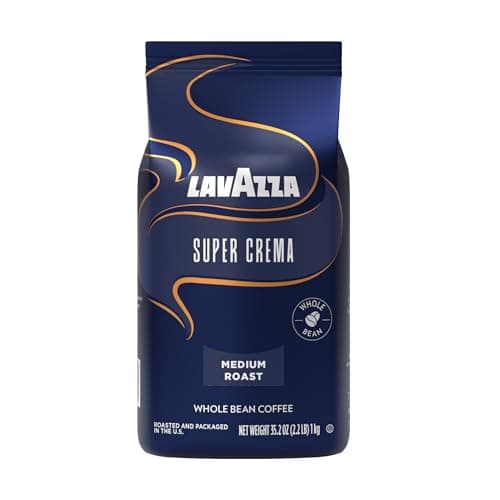
Lavazza Super CremaTop pickA medium-roast blend built for espresso and sold everywhere. Forgiving of an imperfect grind, which is what a first bag needs to be.
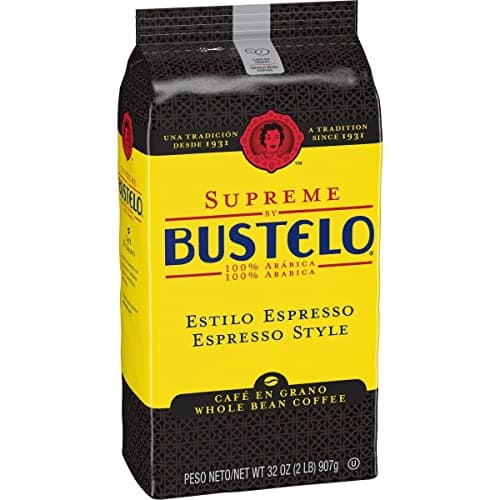
Supreme by Bustelo Espresso Style Whole BeanAn inexpensive dark espresso-style blend. On this site's anti-gatekeeping principle: it works, and nobody should feel bad about buying it.
We have not handled these units. Everything above comes from published manufacturer documentation, cited inline, plus arithmetic you can redo yourself. Everyone in this category says they tested twenty machines; we have not tested any, and we say so. Here is what we do instead.
01
Lavazza Super Crema
A forgiving first bag
A medium-roast blend built for espresso and sold everywhere. Forgiving of an imperfect grind, which is what a first bag needs to be.
We have not compiled a cited spec sheet for this pick yet, so there is no spec table here. What follows is about fit — who it is for and who it is not — not about numbers we cannot source. See how we pick.
Blends built for espresso are easier to dial in than single-origin light roasts, which is why every café starts a new machine on one.
Availability is a real feature at this stage. A bean you can rebuy in any supermarket means you are changing one variable at a time.
What it does well
Very widely stocked
Tolerant of a grind that is not quite right yet
What you give up
Bags often sit on shelves — check the roast date if there is one
Skip it if you already know you like bright, fruity coffee. This is deliberately the opposite of that.
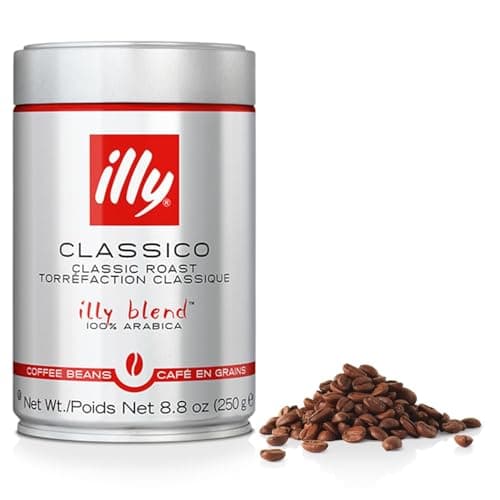
A single blend illy keeps deliberately consistent. That consistency is the reason to buy it while you are still learning.
We have not compiled a cited spec sheet for this pick yet, so there is no spec table here. What follows is about fit — who it is for and who it is not — not about numbers we cannot source. See how we pick.
When you are learning, you want everything except one variable to stay still. A blend that tastes the same in March and in November lets you tell whether the change was your grind or the coffee.
It is pressurized-can packaged, which keeps it stable on a shelf far longer than a paper bag.
What it does well
Unusually consistent bag to bag
Packaging protects it in storage
What you give up
Costs more per pound than supermarket blends
Skip it if you want to explore roasters. Consistency is the feature here, and exploring is the opposite activity.
An inexpensive dark espresso-style blend. On this site's anti-gatekeeping principle: it works, and nobody should feel bad about buying it.
We have not compiled a cited spec sheet for this pick yet, so there is no spec table here. What follows is about fit — who it is for and who it is not — not about numbers we cannot source. See how we pick.
Beans are the recurring cost of the hobby, and the gap between a cheap bag and an expensive one is smaller in a milk drink than in a straight shot.
Start here, get the machine dialed in, then spend more on beans once you can taste what changed.
What it does well
Costs a fraction of specialty beans
In every supermarket
What you give up
No roast date to work from
Dark and one-note next to a specialty roaster's blend
Skip it if what you enjoy about coffee is tasting the difference between origins. This is not the bag for that.
A light single-origin roast has a narrow window: grind slightly wrong and it goes sharp and sour immediately. A medium espresso blend has a wide one. When you are changing your grinder setting every day and half your shots are experiments, the wide window is what stops you concluding that home espresso is not for you.
There is also a diagnostic argument. If the coffee tastes the same in every bag, then when a shot goes wrong you know it was your grind. If the coffee changes every bag, you cannot tell your mistakes from the beans'.
The trade you are making
Blend against single origin, for a beginner
Medium espresso blend
Single-origin light roast
Grind window
Wide — forgiving
Narrow — punishing
Consistency bag to bag
High
Varies by lot and season
Availability
Everywhere
Roaster-dependent
Flavor
Chocolate, nuts, caramel
Fruit, florals, acidity
In milk
Cuts through well
Often disappears
Roast date printed
Often not
Almost always
When to move on
Two signs. First, you can hit your target — say 18 g in, 36 g out, in 25 to 30 seconds — reliably, three days running, without touching the grinder. Second, you have started to find the coffee slightly boring. That second one is the real signal, and it usually arrives a few weeks in.
At that point buy a bag from an actual roaster with a printed roast date and expect to re-dial from scratch. See choosing beans for how to read a specialty bag, and light versus dark for what to expect from each direction.
Questions people actually ask
What beans should a beginner buy for espresso?+−
A medium espresso blend that is widely stocked. Blends are formulated to tolerate an imperfect grind and to taste the same from bag to bag, which is what lets you tell your mistakes apart from the coffee's.
Are dark roasts better for espresso?+−
Not better — easier. Darker roasts are more soluble and more forgiving, and they cut through milk. Lighter roasts are more interesting and much less forgiving. See light versus dark.
Is supermarket coffee good enough for espresso?+−
Yes, especially at the start. The main limitation is the missing roast date, so you cannot tell how old it is. Buy from a shelf that turns over quickly and buy small bags.
When should I move to specialty coffee?+−
When you can hit your target shot three days running without adjusting the grinder, and when the current bag has started to bore you. Both usually arrive within a few weeks.