Heads up: we earn a commission if you buy through the links on this page, at no extra cost to you. It never changes the order of the list. Full disclosure · how we pick.
The National Coffee Association names coffee's four adversaries directly: **air, moisture, heat and light**. Every storage rule below is one of those four, and the pretty glass jar of beans on a sunny counter loses on three of them at once. The NCA's own line on that is worth quoting: use aesthetically pleasing jars of beans as decor only.
Quick picks — Storing coffee beans
#
Pick
Best for
Roast
Price
1
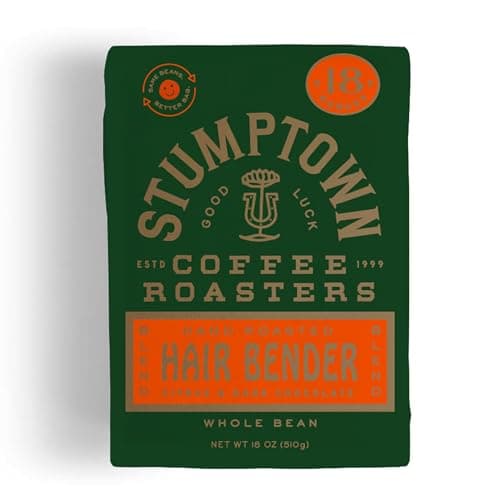
Stumptown Hair BenderTop pickA specialty blend with a printed roast date, which is the actual upgrade — you finally know how old your coffee is.
We have not handled these units. Everything above comes from published manufacturer documentation, cited inline, plus arithmetic you can redo yourself. Everyone in this category says they tested twenty machines; we have not tested any, and we say so. Here is what we do instead.
01
Stumptown Hair Bender
The first specialty bag worth stepping up to
A specialty blend with a printed roast date, which is the actual upgrade — you finally know how old your coffee is.
We have not compiled a cited spec sheet for this pick yet, so there is no spec table here. What follows is about fit — who it is for and who it is not — not about numbers we cannot source. See how we pick.
The roast date is the feature. The National Coffee Association gives whole beans roughly one to three weeks at room temperature before freshness drops off, and you cannot manage that window without knowing the start of it.
Specialty beans are less forgiving. Buy this after the machine is dialed in, not before.
What it does well
Printed roast date
A genuine step up in the cup once you can taste it
What you give up
Costs multiples of a supermarket blend
Less forgiving of a rough grind
Skip it while you are still learning to grind. You will not taste the difference you paid for.
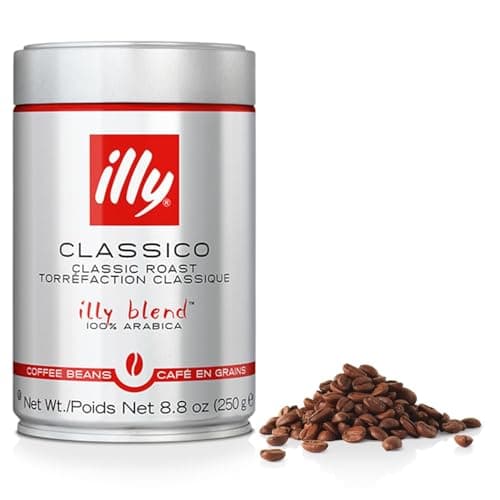
A single blend illy keeps deliberately consistent. That consistency is the reason to buy it while you are still learning.
We have not compiled a cited spec sheet for this pick yet, so there is no spec table here. What follows is about fit — who it is for and who it is not — not about numbers we cannot source. See how we pick.
When you are learning, you want everything except one variable to stay still. A blend that tastes the same in March and in November lets you tell whether the change was your grind or the coffee.
It is pressurized-can packaged, which keeps it stable on a shelf far longer than a paper bag.
What it does well
Unusually consistent bag to bag
Packaging protects it in storage
What you give up
Costs more per pound than supermarket blends
Skip it if you want to explore roasters. Consistency is the feature here, and exploring is the opposite activity.
Freshness windows, per the National Coffee Association
Coffee
Storage
Stays fresh
Whole beans
Room temperature, airtight and opaque
1-3 weeks
Whole beans
Refrigerated
2 weeks
Whole beans
Frozen
3-4 months
Ground coffee
Room temperature
1-2 weeks
Note the refrigerator row — two weeks, which is *less* than the three you get at room temperature. That is not a typo, and it is the reason the fridge is the wrong place for coffee.
Why the fridge is a bad idea
The NCA notes coffee is hygroscopic — it absorbs moisture, and it absorbs odors. A fridge is humid and full of smells, and every time you take the container out, condensation forms on the cold beans. You end up with damp coffee that tastes of whatever else is in there.
The freezer: yes, with conditions
Freezing genuinely extends the window to three to four months, and the NCA's own conditions are the important part: use a truly airtight container, and take out only as much as you need for no more than a week at a time.
**Divide the coffee into weekly portions before freezing.** This is the whole trick — it means each portion is opened once.
**Use genuinely airtight containers**, not a folded bag.
**Take a portion out and leave it out.** Do not return it to the freezer.
**Let it come to room temperature before opening the container**, so condensation forms on the outside rather than on the beans.
**Never freeze ground coffee.** It absorbs moisture far faster than whole beans.
Day-to-day storage
**Opaque and airtight**, at room temperature, away from the stove and out of direct sun.
**A one-way valve bag** is designed for exactly this — if the bag has one, keeping the coffee in it with the top rolled and clipped is genuinely fine.
**Do not decant into a clear jar** unless it lives in a cupboard.
**Grind immediately before brewing.** The NCA's advice is to wait to grind your coffee beans, and the freshness numbers above show why: ground coffee has roughly half the window of whole beans.
How you know a bag has gone
**Crema thins or disappears.** It comes from dissolved carbon dioxide, and old coffee has lost it.
**Shots speed up** at the same grinder setting, because less gas means less resistance.
**Flavors flatten** into a general woody note.
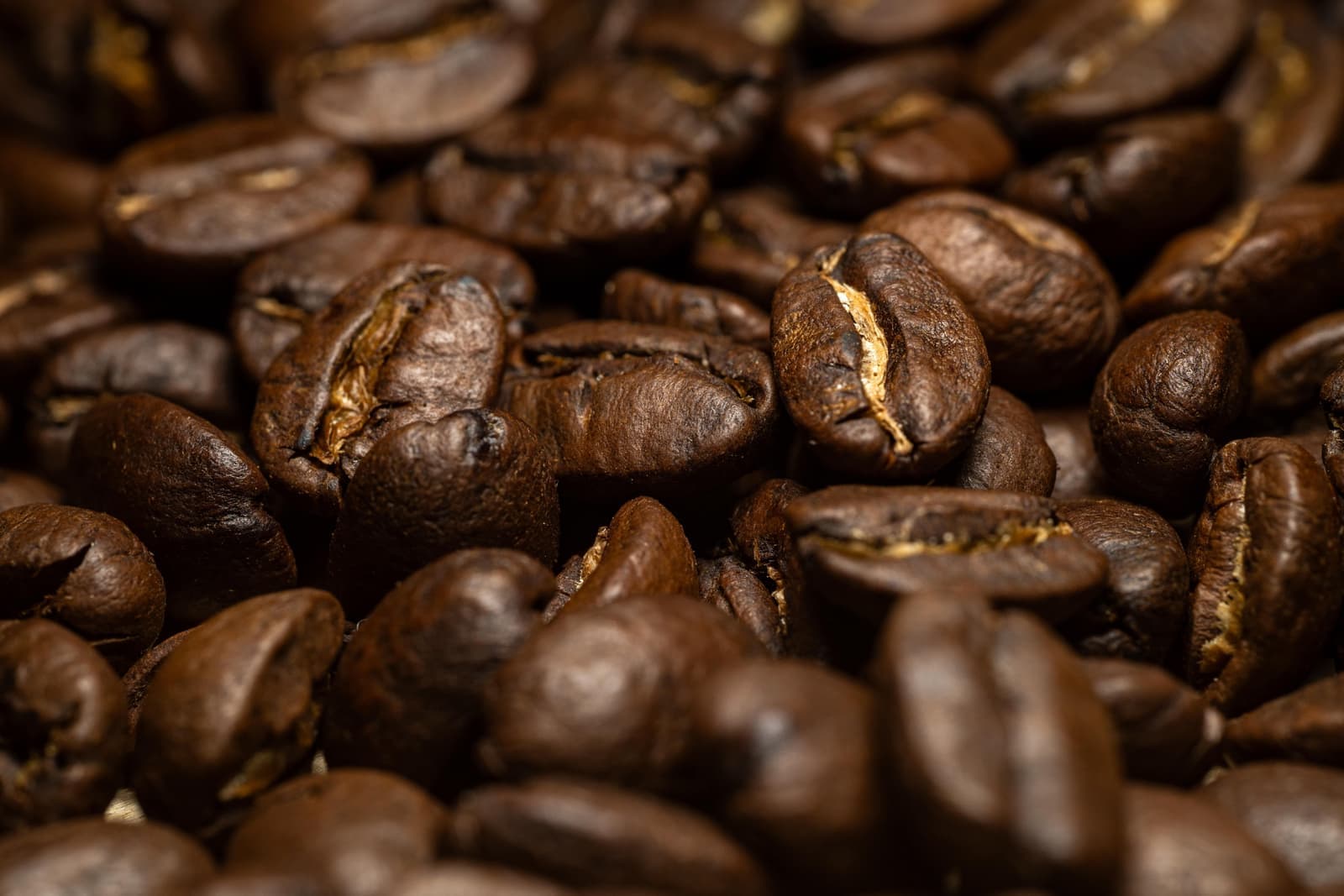
**Beans look dull** and dry rather than having a slight sheen.
Questions people actually ask
How should I store coffee beans?+−
In an opaque, airtight container at room temperature, away from heat and light. The National Coffee Association names air, moisture, heat and light as coffee's four adversaries — a clear jar on a counter loses on three of them.
How long do coffee beans stay fresh?+−
The National Coffee Association gives whole beans one to three weeks at room temperature, two weeks refrigerated, and three to four months frozen. Ground coffee gets one to two weeks at room temperature.
Should I keep coffee in the fridge?+−
No. The NCA's own figure for refrigerated whole beans is two weeks, which is less than at room temperature — and coffee absorbs both moisture and odors, both of which a fridge supplies.
Can you freeze coffee beans?+−
Yes, for three to four months, in a truly airtight container and taken out only a week at a time. Divide it into weekly portions before freezing so each one is opened once, and never freeze ground coffee.
Why has my espresso lost its crema?+−
Most often stale beans. Crema comes from dissolved carbon dioxide and coffee loses it with age, which is also why shots speed up at the same grind setting as a bag gets older.