Heads up: we earn a commission if you buy through the links on this page, at no extra cost to you. It never changes the order of the list. Full disclosure · how we pick.
A specialty coffee bag carries more information than almost any other grocery item, and most of it is written for people who already know what it means. Here is what each field is, and which ones actually change what you do.
Quick picks — How to choose beans for espresso
#
Pick
Best for
Roast
Price
1
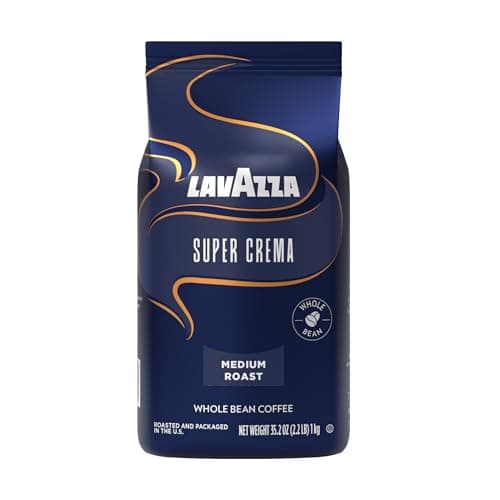
Lavazza Super CremaTop pickA medium-roast blend built for espresso and sold everywhere. Forgiving of an imperfect grind, which is what a first bag needs to be.
We have not handled these units. Everything above comes from published manufacturer documentation, cited inline, plus arithmetic you can redo yourself. Everyone in this category says they tested twenty machines; we have not tested any, and we say so. Here is what we do instead.
01
Lavazza Super Crema
A forgiving first bag
A medium-roast blend built for espresso and sold everywhere. Forgiving of an imperfect grind, which is what a first bag needs to be.
We have not compiled a cited spec sheet for this pick yet, so there is no spec table here. What follows is about fit — who it is for and who it is not — not about numbers we cannot source. See how we pick.
Blends built for espresso are easier to dial in than single-origin light roasts, which is why every café starts a new machine on one.
Availability is a real feature at this stage. A bean you can rebuy in any supermarket means you are changing one variable at a time.
What it does well
Very widely stocked
Tolerant of a grind that is not quite right yet
What you give up
Bags often sit on shelves — check the roast date if there is one
Skip it if you already know you like bright, fruity coffee. This is deliberately the opposite of that.
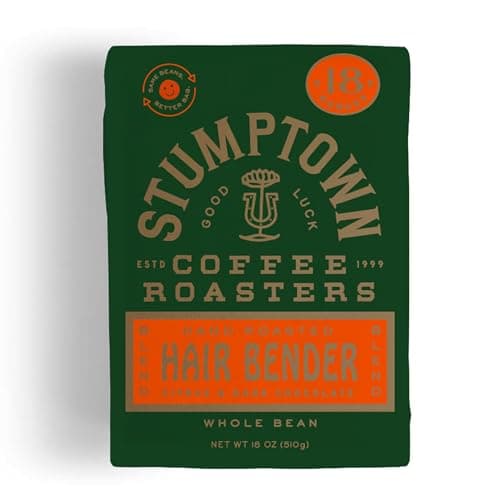
A specialty blend with a printed roast date, which is the actual upgrade — you finally know how old your coffee is.
We have not compiled a cited spec sheet for this pick yet, so there is no spec table here. What follows is about fit — who it is for and who it is not — not about numbers we cannot source. See how we pick.
The roast date is the feature. The National Coffee Association gives whole beans roughly one to three weeks at room temperature before freshness drops off, and you cannot manage that window without knowing the start of it.
Specialty beans are less forgiving. Buy this after the machine is dialed in, not before.
What it does well
Printed roast date
A genuine step up in the cup once you can taste it
What you give up
Costs multiples of a supermarket blend
Less forgiving of a rough grind
Skip it while you are still learning to grind. You will not taste the difference you paid for.
The single most useful thing on the bag. Aim to buy coffee roasted within the last couple of weeks and drink it within about three of opening. A bag with only a best-before date is telling you the roaster does not expect you to care — which is fine for a supermarket blend and disappointing on a specialty bag.
Roast level
The National Coffee Association groups roasts into light, medium and dark by color, and notes that the lighter the roast, the more acidic the brewed coffee, while dark roasts produce shiny, oily beans with a pronounced bitterness. For espresso that translates directly: darker roasts are more forgiving and cut through milk, lighter ones are brighter and less tolerant of a rough grind. See light versus dark.
The ones that are context, not instructions
The rest of the bag
Field
What it tells you
Does it change what you do?
Origin (country, region, farm)
Where it grew, and roughly what flavors to expect
Not directly — it changes what you taste, not how you brew
Processing (washed, natural, honey)
How the fruit was removed. Natural is fruitier, washed is cleaner
Slightly. Naturals can be harder to dial in
Variety (Bourbon, Typica, Geisha…)
The plant cultivar
No, at this stage
Altitude
Higher usually means denser beans
Denser beans may need a slightly finer grind
Tasting notes
The roaster's description of what they taste
No. Useful for choosing, not for brewing
"Espresso roast"
Roasted with espresso in mind — usually a medium-dark blend
It is a helpful signal, not a requirement
Blend or single origin?
A blend is built for consistency and balance, and blends made for espresso are built to be forgiving. A single origin shows you one place's character, which is more interesting and more variable. For a first setup, blend. Once your process is stable, single origin is where the fun is.
How much to buy
One bag, sized to about two to three weeks of drinking. At an 18 g dose, a 12 oz bag is about 18 doubles and a 1 lb bag about 25. Buying in bulk is cheaper per pound and most of the saving evaporates when the last third of it is stale. See storage and freshness.
Questions people actually ask
What kind of beans do you need for espresso?+−
Any coffee can be brewed as espresso. Beans labeled espresso are usually medium-dark blends chosen for body and forgiveness, which suits a beginner, but there is no separate category of bean.
What is the most important thing on a coffee bag?+−
The roast date. It tells you where in the coffee's actual life you are buying, which a best-before date does not.
Does origin matter for espresso?+−
It changes what you taste rather than how you brew. It is worth exploring once your process is stable and not worth optimizing while you are still learning to dial in.
Should I buy a blend or a single origin?+−
A blend to start with — they are built to be consistent and forgiving. Single origins are more interesting and less tolerant of an imperfect grind.