Heads up: we earn a commission if you buy through the links on this page, at no extra cost to you. It never changes the order of the list. Full disclosure · how we pick.
The verdict first. If you want a consistent coffee with zero effort and zero learning, buy the capsule machine and enjoy it — the people who tell you otherwise are usually selling something. If you want to change how the coffee tastes, buy the espresso machine, because a capsule machine is specifically designed so that you cannot.
Quick picks — Espresso machine vs Nespresso
#
Pick
Best for
Type
Price
1
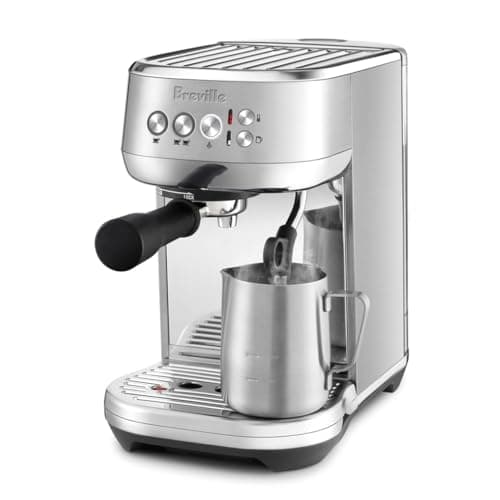
Breville Bambino Plus (BES500)Top pickThe standard answer to “which first machine” — full 54 mm portafilter and an 18 g dose, with the milk step automated so a flat white is possible on day one.
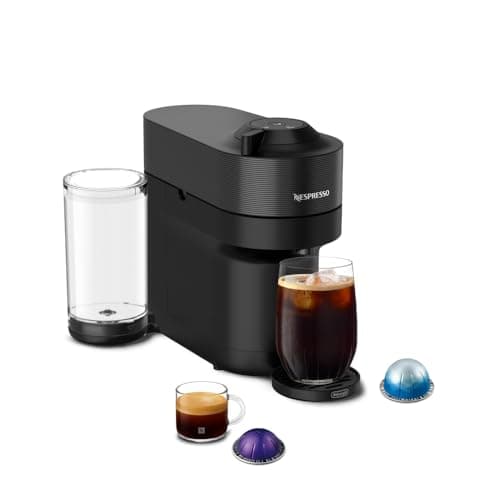
Nespresso Vertuo Pop+A capsule machine. Included here because it is the real alternative most first-time buyers are weighing, and for a lot of them it is the right call.
We have not handled these units. Everything above comes from published manufacturer documentation, cited inline, plus arithmetic you can redo yourself. Everyone in this category says they tested twenty machines; we have not tested any, and we say so. Here is what we do instead.
01
Breville Bambino Plus (BES500)
A first machine you will not outgrow in a year
The standard answer to “which first machine” — full 54 mm portafilter and an 18 g dose, with the milk step automated so a flat white is possible on day one.
Published specifications for the Breville Bambino Plus (BES500), with sources
54 mm tamper, Razor dosing tool, 16 fl oz milk jug, single- and dual-wall baskets, cleaning tool and disc [source]
The 54 mm portafilter and 18 g dose matter more than they sound: they put the machine on the same dose a cafe uses, so any recipe you read applies to it directly and every 54 mm accessory fits.
The three-second heat-up is the difference between espresso being a weekday habit and a weekend project. A machine that takes fifteen minutes to be ready is a machine you use on Sundays.
The automatic steam wand is the single biggest reason this suits a first setup. Milk texturing is the skill that takes longest to learn; handing it to the machine removes the part most likely to make you give up.
What it does well
Standard 54 mm basket, so recipes and accessories from anywhere fit
Ready in seconds, which is what makes it a habit rather than a project
Automatic milk means a drinkable cappuccino before you can texture by hand
The manual wand is still there when you want to learn
What you give up
No grinder — budget for one separately, and that is the right trade
Small water tank compared with a bean-to-cup machine; refills are frequent
Nothing here helps if your grinder cannot go fine enough
Skip it if you want one box that does everything with no learning curve — a bean-to-cup machine is the honest answer for that, and it is a different product.
A capsule machine. Included here because it is the real alternative most first-time buyers are weighing, and for a lot of them it is the right call.
We have not compiled a cited spec sheet for this pick yet, so there is no spec table here. What follows is about fit — who it is for and who it is not — not about numbers we cannot source. See how we pick.
The comparison people actually need is cost per drink over time, not machine price. A capsule machine is cheap to buy and permanently more expensive per cup than beans.
There is no grind, no dose, no yield and no technique. If none of those words appeal to you, this is a feature list, not a limitation.
What it does well
Nothing to learn, nothing to clean, no grinder
Consistent from the first cup to the thousandth
What you give up
Permanently higher cost per drink than beans
Locked to one company's capsules
No control over anything
Skip it if you want to change how the coffee tastes. A capsule machine's whole design goal is that you cannot.
The comparison that actually matters is cost per cup
Everyone compares the machine prices. That is the least useful number, because the machines are a one-time cost and the coffee is not. A capsule costs a fixed amount per drink, every drink, forever. Beans cost a fraction of that per drink and the gap widens the more coffee you drink.
We will not put invented figures here. What we will do is show you the arithmetic with your own numbers: take your capsule price, multiply by drinks per day, multiply by 365. Then price a bag of beans, divide by the number of 18 g doses it holds, and do the same. The full worked version, including electricity and descaler, is on what a setup costs to run.
Doses per bag — the number that makes the comparison work
doses = bag weight in grams ÷ 18 g per double shot
A 1 lb (454 g) bag ÷ 18 g = about 25 double shots
Eighteen grams is the dose Breville states for its 54 mm baskets. Use your own machine's dose if it differs, and compare against what 25 capsules cost you.
Everything else, side by side
Capsule machine against a semi-automatic espresso machine
Capsule machine
Espresso machine
Effort per drink
Insert capsule, press button
Grind, dose, tamp, pull, clean
Time to learn
None
A couple of weeks to a consistent shot
Control over taste
Choose a different capsule
Grind, dose, yield, time, temperature
Cost per drink
Fixed and permanent
Lower, and falls as you buy beans in larger bags
Additional purchase
None
A grinder — non-negotiable
Waste
One capsule per drink
One coffee puck per drink
Cleaning
Empty the capsule bin, descale
Wipe the wand, rinse the basket, backflush, descale
The honest failure mode of each
The capsule machine's failure mode is that you get bored of the coffee and there is nothing you can do about it. The espresso machine's failure mode is that you buy it, pair it with a bad grinder, make sour coffee for three weeks and put it in a cupboard. The second one is preventable and it is why the grinder comes first.
Questions people actually ask
Is a Nespresso machine real espresso?+−
It brews under pressure through ground coffee sealed in a capsule, so it produces a small, concentrated coffee with crema. What it does not offer is any control over dose, grind or yield — the variables that make one espresso different from another.
Is it cheaper to make espresso than to buy capsules?+−
Per drink, substantially — a 454 g bag of beans holds about 25 double shots at an 18 g dose. Whether it is cheaper overall depends on how quickly the savings cover the machine and grinder, which is arithmetic you can do in a minute on our cost page.
Can I use my Nespresso milk frother with an espresso machine?+−
Yes. A standalone frother works with anything, and it is the usual answer for cold foam even on machines with a steam wand. See milk frothers.
What is the smallest step up from capsules?+−
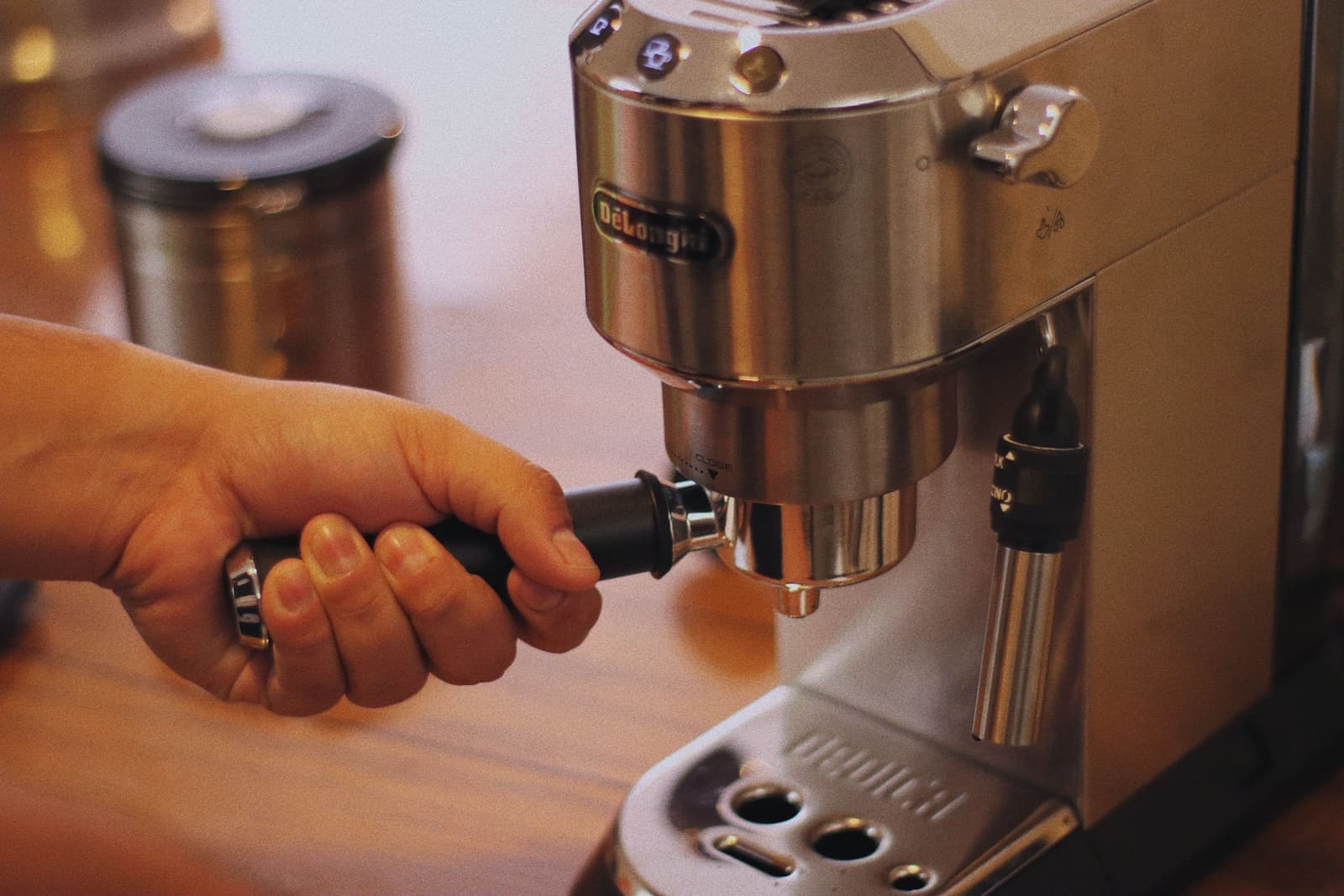
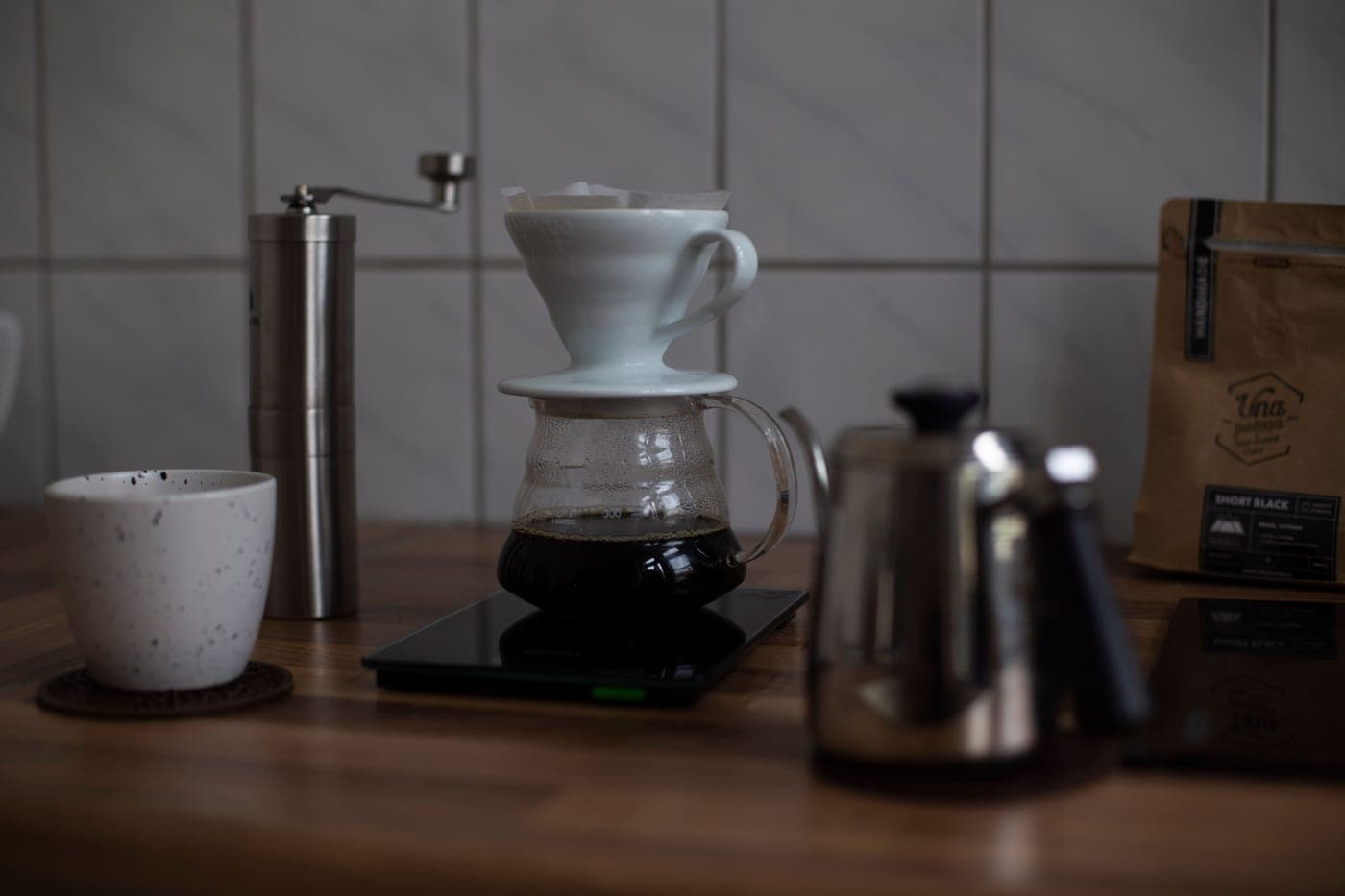
A moka pot plus a hand grinder, or a compact pump machine like the Dedica. Both are covered on under $200.