Heads up: we earn a commission if you buy through the links on this page, at no extra cost to you. It never changes the order of the list. Full disclosure · how we pick.
There is a version of this page that says you cannot make espresso for under $200 and you should save up. We are not going to write that page. You can buy a machine for under $200 and make coffee you enjoy, and being told otherwise is the exact gatekeeping this site exists to cut through.
What is true is that the trade-offs are real and worth knowing before you spend, rather than after. Here they are, then the picks. If you can stretch, under $300 is where a standard basket and a bare steam wand come into reach.
What under $200 actually gets you
A pump and a portafilter, usually with a pressurized basket that forces crema regardless of grind.
A steam wand, often a panarello — a sleeve that injects air automatically. It makes bubbly foam rather than pourable microfoam.
A small water tank and a non-standard basket size, so accessories are harder to find.
No temperature control worth the name, so the machine's readiness light is a rough guide rather than a measurement.
Quick picks — Best espresso machines under $200
#
Pick
Best for
Type
Price
1
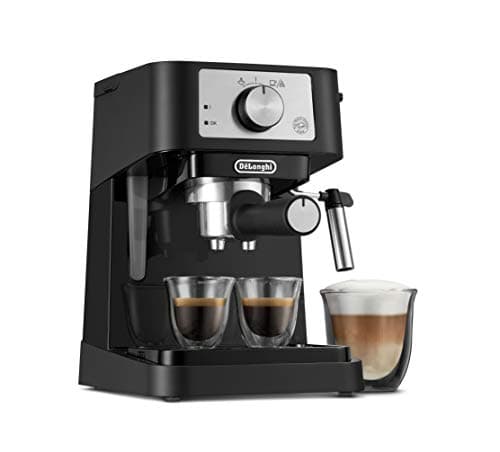
De'Longhi StilosaTop pickThe cheapest way to own a pump machine from a brand that will still be there in five years. It is a starting point, not a destination.
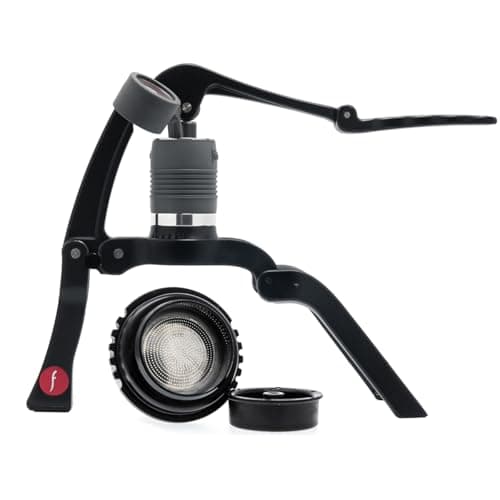
Flair 2GOA manual lever press that collapses into a bag. You supply the pressure and the hot water; it supplies a genuine espresso-style extraction and stores in a drawer.
Real espresso with no electricity and no counter space
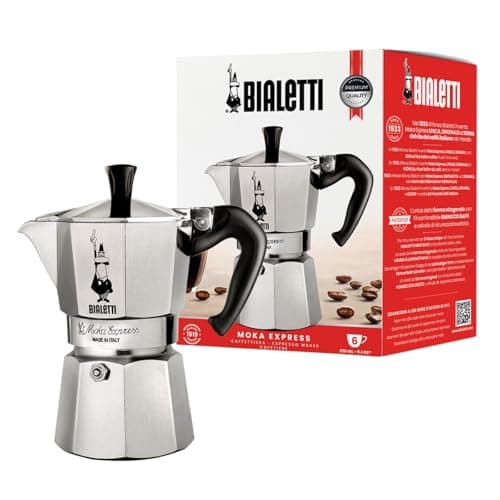
Bialetti Moka ExpressNot an espresso machine and not pretending to be one. It makes a strong, concentrated stovetop coffee, and it is the honest first step for a lot of people.
Strong coffee now, for the price of a takeaway lunch
We have not handled these units. Everything above comes from published manufacturer documentation, cited inline, plus arithmetic you can redo yourself. Everyone in this category says they tested twenty machines; we have not tested any, and we say so. Here is what we do instead.
01
De'Longhi Stilosa
Finding out whether you actually want this hobby
The cheapest way to own a pump machine from a brand that will still be there in five years. It is a starting point, not a destination.
We have not compiled a cited spec sheet for this pick yet, so there is no spec table here. What follows is about fit — who it is for and who it is not — not about numbers we cannot source. See how we pick.
Machines at this price ship with pressurized baskets, which force crema regardless of grind. That is a feature if you are grinding with something inadequate and a ceiling once you are not.
The honest way to buy at this level is to treat the machine as the cheap half of the setup and put the money into the grinder, because the grinder is what you will keep.
What it does well
The lowest-risk way to find out if you want a machine at all
Forgiving of a mediocre grind while you are still learning
What you give up
A pressurized basket hides what your grind is actually doing
You will feel the ceiling within months if you enjoy it
Skip it if you already know you want this — the money is better spent once, on a machine with a standard basket, than twice.
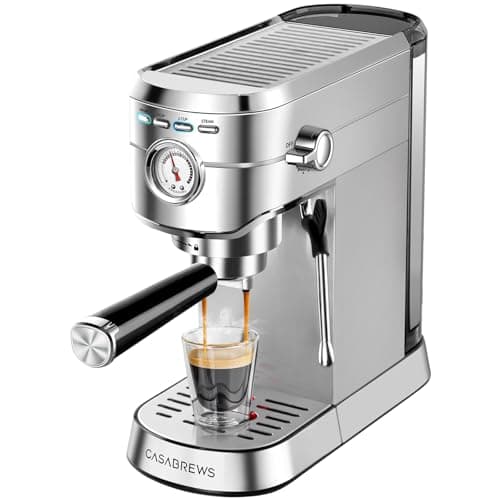
Machines in this bracket advertise a high bar number. Bar is pump pressure, not shot quality — espresso is brewed at around 9 bar, and a 20 bar pump is only a bigger pump.
The specification that actually decides what this machine can do is the basket. CASABREWS lists pressurized dual-wall baskets only, which means the machine generates its own back-pressure and will make a crema-topped shot from almost any grind — and will not reward a better grinder if you buy one.
Treat this as the cheapest possible way to learn whether you like the ritual, with the expectation that you will replace it if you do.
What it does well
The smallest amount of money that gets you a wand and a portafilter
A pressure gauge at this price is genuinely unusual
CASABREWS publishes a real specification table, which most budget brands do not
Low regret if the hobby does not stick
What you give up
Pressurized basket masks grind problems rather than solving them
51 mm portafilter — the smallest of the three common sizes, with the thinnest accessory market
No single-wall basket is listed, so there is no upgrade path inside the machine
One-year warranty, and build and support are not comparable to an established brand
Skip it if you have already decided you want espresso. Buying twice costs more than buying once.
Real espresso with no electricity and no counter space
A manual lever press that collapses into a bag. You supply the pressure and the hot water; it supplies a genuine espresso-style extraction and stores in a drawer.
Published specifications for the Flair 2GO, with sources
Strong coffee now, for the price of a takeaway lunch
Not an espresso machine and not pretending to be one. It makes a strong, concentrated stovetop coffee, and it is the honest first step for a lot of people.
We have not compiled a cited spec sheet for this pick yet, so there is no spec table here. What follows is about fit — who it is for and who it is not — not about numbers we cannot source. See how we pick.
A moka pot brews at a fraction of espresso pressure, so it produces a concentrate rather than espresso with crema. That is a category difference, not a quality one.
It is the correct recommendation for anyone who wants a strong milk drink at home and does not want to own a grinder yet.
What it does well
Costs less than most espresso accessories
Nothing to descale, nothing to plug in, nothing to break
Works with supermarket pre-ground coffee
What you give up
It is not espresso and cannot be dialed in like espresso
No steam wand, so milk drinks need a separate frother
Skip it if you specifically want espresso with crema and the ability to control the shot. A moka pot cannot do that and never will.
If you already own any way of making coffee — a moka pot, a French press, an Aeropress — the highest-value $200 in home coffee is not a machine at all. It is a grinder. A hand grinder that reaches espresso fineness plus the brewer you own will beat a $180 machine with supermarket pre-ground coffee, and the grinder carries forward into whatever you buy next. A hand press is the other option at this money — see manual and portable espresso makers.
Reading a sub-$200 spec sheet
What the listing says versus what it means
The claim
What it actually tells you
"20 bar professional pump"
Pump maximum, not brew pressure. Espresso brews around 9 bar. This is not a quality signal.
"Italian pump"
Nearly every machine at every price uses the same one or two pump manufacturers. True, and uninformative.
"Milk frother included"
Usually a panarello sleeve. It makes airy foam, not the microfoam a bare wand makes.
"Includes tamper"
Almost always a light plastic one that is undersized for the basket. Budget for a real tamper.
"Dual-wall filter"
Pressurized basket. Forgiving now, a ceiling later. Not a flaw at this price.
Questions people actually ask
Is a cheap espresso machine worth buying?+−
Yes, if you go in knowing it is the cheap half of the setup and the grinder is where the quality comes from. It is also the lowest-risk way to find out whether you enjoy the ritual before spending more.
Will a $150 machine make espresso with crema?+−
It will produce crema, because a pressurized basket manufactures it mechanically. That crema is not evidence of a good extraction — it is evidence of a small hole in the basket. That is fine while you are learning.
Is a moka pot better than a cheap espresso machine?+−
It is different, and for some people better. A moka pot cannot make espresso — it brews at a fraction of the pressure — but it makes a strong concentrate reliably, costs a fraction as much, and has nothing to break or descale. See espresso machine versus moka pot.
Can I upgrade a cheap machine later?+−
You can usually swap to a single-wall basket and a better tamper, which is a genuine improvement. You cannot add temperature control or a better boiler. Treat the machine as replaceable and the grinder as permanent.