Heads up: we earn a commission if you buy through the links on this page, at no extra cost to you. It never changes the order of the list. Full disclosure · how we pick.
Iced coffee is most of the growth in home coffee and machine makers have noticed, so “iced” now appears on boxes attached to three completely different features. Two of them change the drink. One is a button that makes a normal shot and tells you to add ice.
Sorting them out first saves you from paying for the wrong one.
The three things “iced” means on a spec sheet
What each iced feature actually does
Feature
What the machine does
Does it change the drink?
Cold brew cycle
Brews with cold or cool water over several minutes, usually with agitation or pressure
Yes — lower acidity, smoother, a genuinely different extraction
Iced preset
Brews a shorter, stronger hot shot calibrated to survive melting ice
Somewhat — it stops the dilution problem, which is real
Cold foam
Textures cold milk into pourable foam without heat
Yes — it is the layer on top of every iced latte you have bought out
“Over ice” drip setting
Brews a stronger filter coffee straight onto ice
Somewhat — same principle as an iced preset, applied to drip
The honest headline: **the cheapest way to drink good iced coffee at home does not involve any of these features.** Brew espresso normally, pour it over a full glass of ice, and top with cold milk. That works on every machine on this site. What the features above buy you is either a smoother extraction (cold brew) or a drink that does not go watery as the ice melts (iced presets) — both real, neither essential.
How we judged these
**Does the maker publish what the cold feature actually does?** A cold brew claim with no stated time or method is marketing.
**Is it still a good espresso machine?** A cold cycle you use four months a year should not cost you the eight months of hot drinks.
**Can it make cold foam?** This is the part most machines cannot do, and the part that makes an iced latte taste bought rather than made.
**What does it cost you in size and complexity?** Every extra system is another thing to clean and another thing to fail.
Quick picks — Espresso machines for iced coffee and cold brew
#
Pick
Best for
Type
Price
1
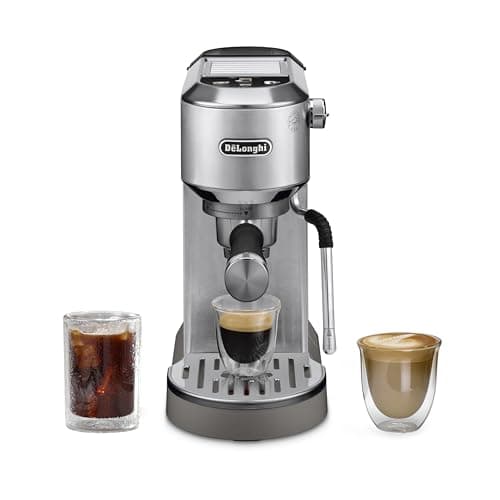
De'Longhi Dedica Duo (EC890M)Top pickA Dedica-sized machine with a cold brew preset De'Longhi states finishes in under five minutes, alongside espresso and a steam wand.
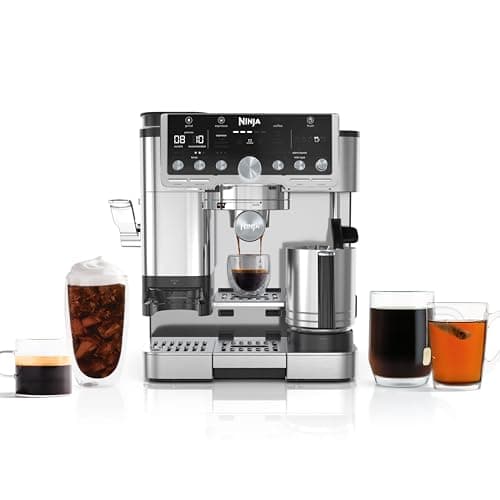
Ninja Luxe Café Pro (ES701)The four-in-one: espresso, drip coffee, cold brew and hot water, with an assisted tamper and five froth presets including cold foam.
Cold brew and hands-free froth in the same box as espresso
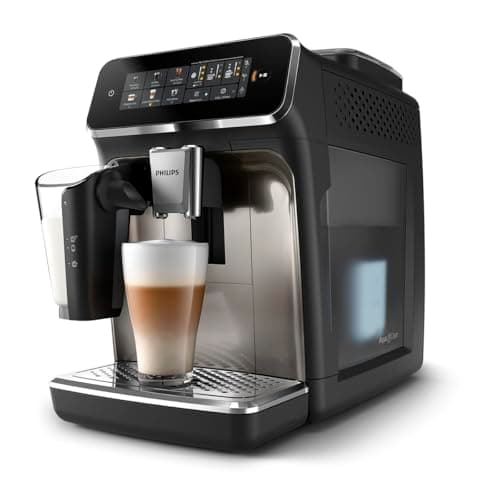
Philips 3300 Series LatteGo (EP3347/90)The 2300 plus the two presets people most often miss — cappuccino and iced coffee — and SilentBrew, on the same grinder and milk system.
We have not handled these units. Everything above comes from published manufacturer documentation, cited inline, plus arithmetic you can redo yourself. Everyone in this category says they tested twenty machines; we have not tested any, and we say so. Here is what we do instead.
01
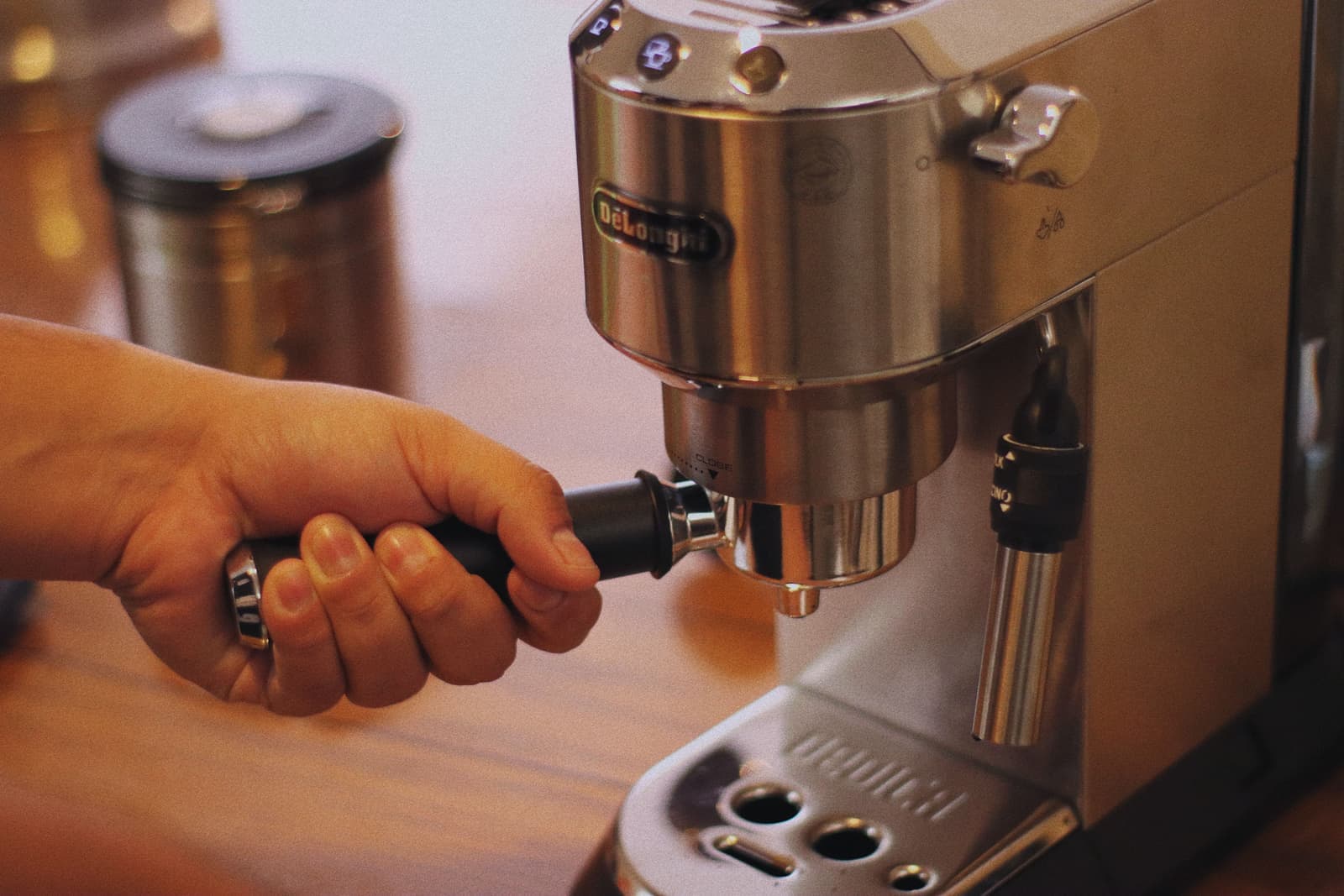
De'Longhi Dedica Duo (EC890M)
Cold brew in minutes rather than overnight
A Dedica-sized machine with a cold brew preset De'Longhi states finishes in under five minutes, alongside espresso and a steam wand.
Published specifications for the De'Longhi Dedica Duo (EC890M), with sources
Portafilter, tamper, measuring scoop, single and double filter baskets [source]
Cold brew normally means 12 to 24 hours in the fridge. A five-minute cycle is a different process reaching a similar result, and the honest way to read it is as iced coffee that is smoother than pouring espresso over ice, not as identical to overnight cold brew.
Everything else here is the Dedica formula: a narrow body, a real portafilter and a steam wand you operate yourself.
De'Longhi publishes no pressure, tank capacity or dimensions for this model, which is a step backwards from what it publishes for the original Dedica.
What it does well
A cold brew preset built into an espresso machine
Ships with portafilter, tamper and both basket sizes
Steam wand rather than a panarello sleeve
What you give up
De'Longhi publishes no dimensions, tank capacity or pump pressure
No grinder
Five-minute cold brew is not the same process as overnight cold brew
Skip it if you drink iced coffee twice a summer. A jug in the fridge costs nothing, and the rest of this machine is available for less without the cold brew cycle.
Cold foam as a preset is the part worth paying attention to. Making cold foam by hand needs a frother and some practice; a machine that produces it on a button is doing something a steam wand cannot.
The assisted tamper removes the one step beginners get wrong most often, and it does it mechanically rather than by telling you to press harder.
Twenty-five grind settings is fewer than the Mini's sixty. Ninja does not explain why, and on the published numbers the cheaper machine has the finer grind adjustment.
At 19.33 inches tall it will not fit under a standard wall cabinet with room to fill the tank. Measure before you buy.
What it does well
Espresso, drip, cold brew and hot water in one machine
Cold foam and four other froth presets, hands-free
Integrated tamper removes a beginner failure point
What you give up
Large — nearly 20 inches tall and over 31 lbs
Fewer published grind settings than the cheaper Mini
Ninja publishes no portafilter size, brew pressure or tank capacity
Skip it if you only drink hot espresso. Most of what the extra money buys here is cold drinks and automation you would never switch on.
Philips publishes the dose behind the strength setting, and it tells you the button physically changes the amount of coffee rather than being a label.
SilentBrew's 40% is measured against Philips's own earlier machines, not against other brands. Read it as quieter than the model it replaced, not as quiet.
What it does well
Cappuccino and iced coffee listed as presets
SilentBrew, stated 40% quieter than Philips's previous models
Same two-part LatteGo milk system and 12-setting grinder
What you give up
Strength tops out at a stated 9 g of coffee per drink
Philips does not publish water tank or bean hopper capacity
You do not control dose or yield beyond three strength steps
Skip it if you only drink espresso and black coffee — the 2300 makes both with the same grinder, and the extra presets are what you would be paying for.
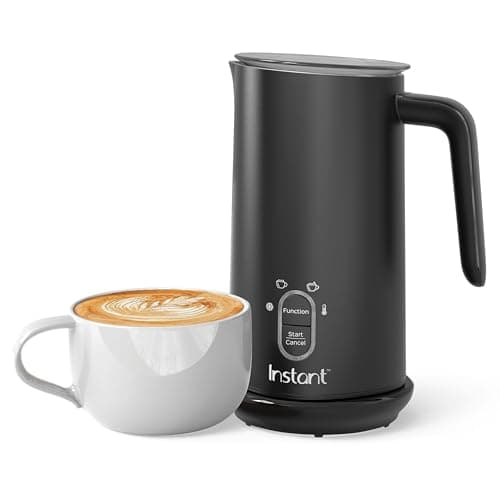
A frother that also does cold foam for iced drinks
A multi-mode standalone frother covering hot milk, hot foam and cold foam, from a brand with wide availability.
We have not compiled a cited spec sheet for this pick yet, so there is no spec table here. What follows is about fit — who it is for and who it is not — not about numbers we cannot source. See how we pick.
Cold foam on iced drinks is the reason most people end up buying a standalone frother even when they own a steam wand.
Multi-mode frothers are all broadly similar. Choose on capacity and how easy the carafe is to wash, because that decides whether you keep using it.
What it does well
Covers hot and cold
Easy to find and replace
What you give up
Counter space
Non-stick carafes need care
Skip it if you only drink hot milk drinks and own a wand — you have already got this covered.
De'Longhi states its cold brew preset finishes in under five minutes. Ninja calls its version rapid cold brew. Both are real features and both are doing something other than what a jug in the fridge does over twelve hours.
Traditional cold brew is a long, low-temperature steep that extracts less acid and less bitterness because time replaces heat. A five-minute machine cycle replaces time with pressure, agitation or a warmer-than-cold water temperature. The result is smoother than espresso over ice and not identical to overnight cold brew. Makers rarely spell this out, so treat the speed as a convenience claim rather than an equivalence claim.
Cold foam is the part worth paying for
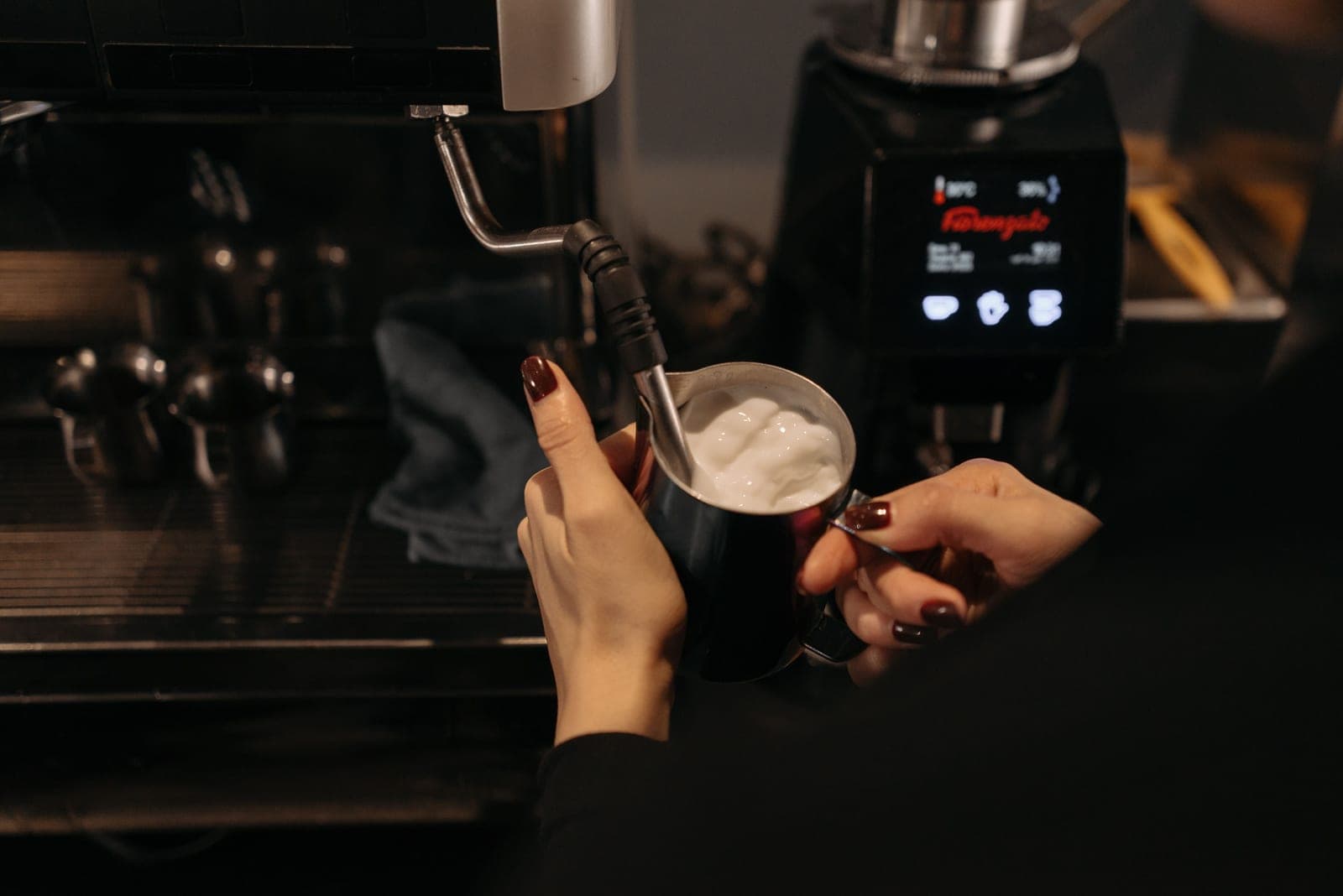
Hot milk foam and cold milk foam are different jobs. A steam wand cannot make cold foam — it works by injecting steam, which by definition heats the milk. So a machine with the best steam wand in the world still cannot top an iced latte the way a coffee shop does.
What makes cold foam is a fast whisk, and that is a cheap standalone appliance or a preset on the machines above. If everything else about your setup is settled and iced drinks are the gap, a frother that does cold foam is a much smaller purchase than a new machine. We go through the method on how to make cold foam at home.
Four cold drinks, and which machine feature each one needs
Cold coffee is not one drink, and the confusion is why people buy the wrong feature. Espresso drinks explained covers the hot ones; here are the cold equivalents.
The cold drinks, and what makes each one
Drink
What it is
What you need
Iced espresso
A shot poured straight over ice
Any espresso machine. Pull it short so the ice does not thin it
Iced americano
Espresso, cold water and ice
Any espresso machine — the easiest cold drink to get right at home
Iced latte
Espresso, cold milk, ice, often cold foam on top
An espresso machine, plus something that can foam cold milk
Cold brew
Coffee steeped cold for hours, or a machine cycle that imitates it
A jug and patience, or a machine with a cold brew cycle
Read down that table and the pattern is clear: three of the four need no special machine at all. Only cold brew is a genuinely different process, and the cheapest version of it is a jar.
Beans and grind for cold coffee
Cold suppresses aroma and sweetness and leaves bitterness more exposed, which is why a bean that tastes bright and fruity hot can taste thin and sour iced. Two adjustments help more than any machine feature:
**Go darker.** Chocolate and nut flavors survive cold; delicate florals do not. Light vs dark roast explains what changes, and it is not caffeine.
**Grind coarser for cold brew, not finer.** Cold brew is a long steep, so a fine grind over-extracts into bitterness. This is the opposite of what espresso wants, which is the practical reason cold brew in a jug does not compete with your espresso grinder setting.
If you buy beans for iced drinks specifically, buy them fresh and in small bags — storage and freshness covers the windows, and staleness is far more detectable in a cold drink than people expect.
Cleaning, which cold features make worse
One thing nobody mentions about cold drinks at home: cold milk and cold coffee leave residue that hot water would have carried away. A machine that makes cold foam has a milk path that never gets hot, and a cold brew cycle pushes cool water through the grounds slowly rather than flushing them.
Neither is a reason to avoid the features, but both mean the cleaning routine matters more rather than less. Rinse the milk path immediately instead of at the end of the morning, and run the machine's own cycle on schedule — cleaning an espresso machine and steam wand and milk system care cover what actually needs doing.
The ice itself is a variable
Worth one paragraph because it is free and it changes the drink more than most machine features. Small, thin ice melts fast and waters the coffee down while you drink it; large cubes melt slowly and keep the drink cold without diluting it. If your iced coffee tastes strong at the first sip and weak by the last, the ice is the reason, not the shot.
The same logic is why iced presets exist at all — they brew stronger to survive dilution. Bigger ice achieves much of that for nothing, which is worth trying before paying for the feature.
What we would buy, in order
**Nothing, first.** Try espresso over a full glass of ice with cold milk on the machine you already own. For a lot of people that is the end of the project.
**A frother that states cold foam**, if the iced latte is the drink you actually want. It is the cheapest thing on this page and it closes the biggest gap.
**A jug in the fridge**, if cold brew is the goal. Coarse grind, twelve hours, no hardware.
**A machine with a cold cycle**, only if you drink cold coffee most days and want it in five minutes rather than tomorrow.
Getting iced espresso right without a preset
**Fill the glass with ice first, then pull the shot onto it.** Hot espresso onto a half-empty glass melts the ice into the drink and dilutes it.
**Pull the shot shorter than you would hot.** A ristretto-length shot gives you concentration to spare, which is exactly what the machines with iced presets are doing for you.
**Use cold milk, not room-temperature milk.** It sounds obvious and it is the most common reason a home iced latte tastes thin.
**Go a touch darker on the beans.** Cold mutes perceived acidity and sweetness; a darker roast survives it better. See light vs dark roast.
Do those four things on a machine with no iced features at all and the result is close enough that the preset becomes a convenience rather than a reason to buy. That is our honest position on this whole category: worth paying for if you drink cold coffee most days, not worth changing machines for if you drink it in July.
We have not used any of these machines. Every specification comes from the maker's own published page, linked below, and prices come live from the listings we link to.
Questions people actually ask
Can any espresso machine make iced coffee?+−
Yes. Pull a normal shot over a full glass of ice and add cold milk. Machines with iced presets brew a shorter, stronger shot so the melting ice does not dilute it, which is a convenience rather than a capability you cannot otherwise get.
Is machine cold brew the same as overnight cold brew?+−
No. De'Longhi states its cold brew preset runs in under five minutes, replacing a long steep with pressure or agitation. It is smoother than espresso over ice; it is not the same process as a twelve-hour cold steep, and no maker claims it is.
Can a steam wand make cold foam?+−
No. A steam wand works by injecting steam, so it heats the milk by definition. Cold foam needs a fast whisk — either a standalone frother or a cold-foam preset on the machine.
Which espresso machines make cold foam?+−
On this page, Ninja publishes cold foam as one of five froth presets on the Luxe Café Pro. Otherwise a standalone frother that does cold foam is much cheaper than a machine that includes it — see how to make cold foam.
Do I need a special machine for iced lattes?+−
No. Ice in the glass first, a shorter shot, cold milk, and a slightly darker roast gets you most of the way on any machine. A cold-foam frother closes the rest of the gap for a fraction of the price of a new machine.