Learn
Learn home espresso
The whole beginner curriculum: your first shot, dialing in, the drinks, the vocabulary and the technique.
Days to something drinkable. Weeks to consistent. And one hardware problem that makes both of those impossible.
By Scooter M. · Published
The honest timeline, assuming your grinder can actually reach espresso fineness — a condition we will come back to, because it invalidates everything else on this page when it is not met.
| When | What you can do | What is still hard |
|---|---|---|
| Day 1 | Pull a shot that resembles espresso, in a pressurized basket | Everything. That is fine |
| Days 2-4 | Hit 18 g in, 36 g out, in roughly the right time | Consistency between shots |
| Week 1 | Get a drinkable shot most mornings | Recovering when something changes |
| Week 2 | Steam milk into something pourable | Pouring anything resembling a pattern |
| Weeks 3-4 | Re-dial a new bag without help | Very light roasts |
| Month 2-3 | Consistent shots, decent milk, simple latte art | Consistency on difficult coffees |
| Month 6+ | It is a routine rather than a project | Nothing you would call hard |
**A grinder that cannot reach espresso fineness.** If turning it finer does not measurably slow the shot down, you are not learning slowly — you are practicing something that cannot work. People spend months in this state, conclude they are bad at it, and put the machine in a cupboard.
The test is one shot long: grind several steps finer than you have been, pull a shot and time it. If the time barely moves, that is a hardware limit. See burr versus blade.
The predictable step backward is switching from a pressurized to a single-wall basket. Shots that were fine become fast and sour, because nothing is compensating for your grind any more. That is not a regression — it is the first time you are seeing your actual extraction. Re-dial finer and it comes back within a couple of days. Your first week schedules that deliberately for day four.
No products on this page. This page is about expectations rather than equipment, and every product it might name is covered properly on the pages it links to. Attaching picks here would be padding.
A few days to a drinkable shot and about two weeks of daily practice to a consistent one, assuming the grinder can reach espresso fineness. Milk texturing adds another couple of weeks.
It is a small number of variables practiced repeatedly rather than something difficult. What makes it feel hard is trying to learn with a grinder that cannot go fine enough, which no amount of practice fixes.
Longer than the shot — usually a month or two of daily attempts. Practicing with milk and no coffee is much faster, because you can repeat it several times in a row.
The most common cause is switching from a pressurized to a single-wall basket, which stops hiding your grind. Re-dial finer. The other common cause is a bag of beans aging past three weeks.
Learn
The whole beginner curriculum: your first shot, dialing in, the drinks, the vocabulary and the technique.
Learn
The dial-in method: which variables to fix, which to move, and the order that makes it converge.
Top pick
Baratza Encore ESP
The Starter Kit
A day-by-day plan for the first week with a new machine, ending with a milk drink you would order.
Top pick
Timemore Black Mirror Basic 2
Grinders
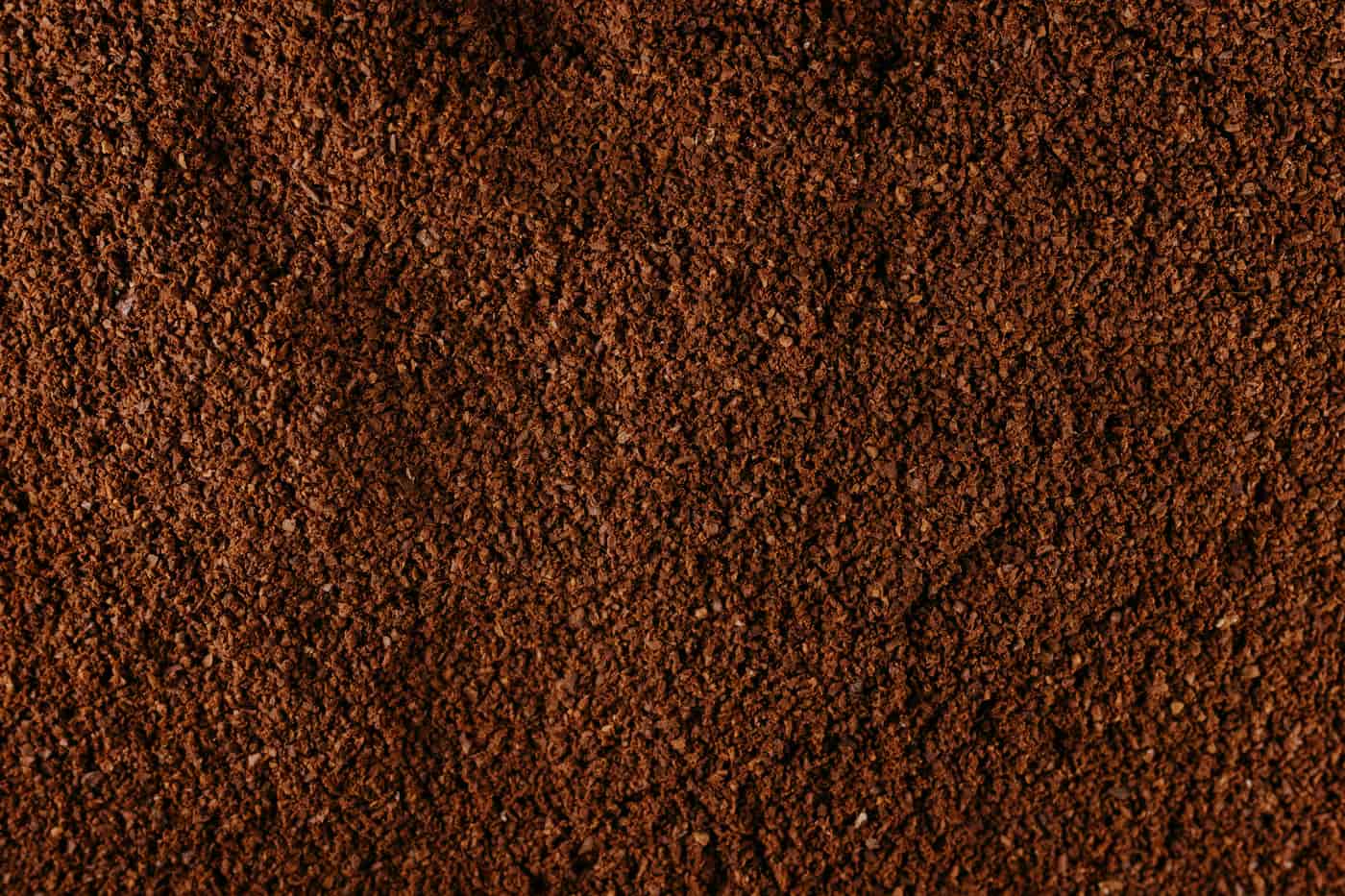
The mechanical reason a blade grinder cannot make espresso, how to identify what you own, and what the cheapest working alternative is.
Top pick
Baratza Encore ESP
Beans
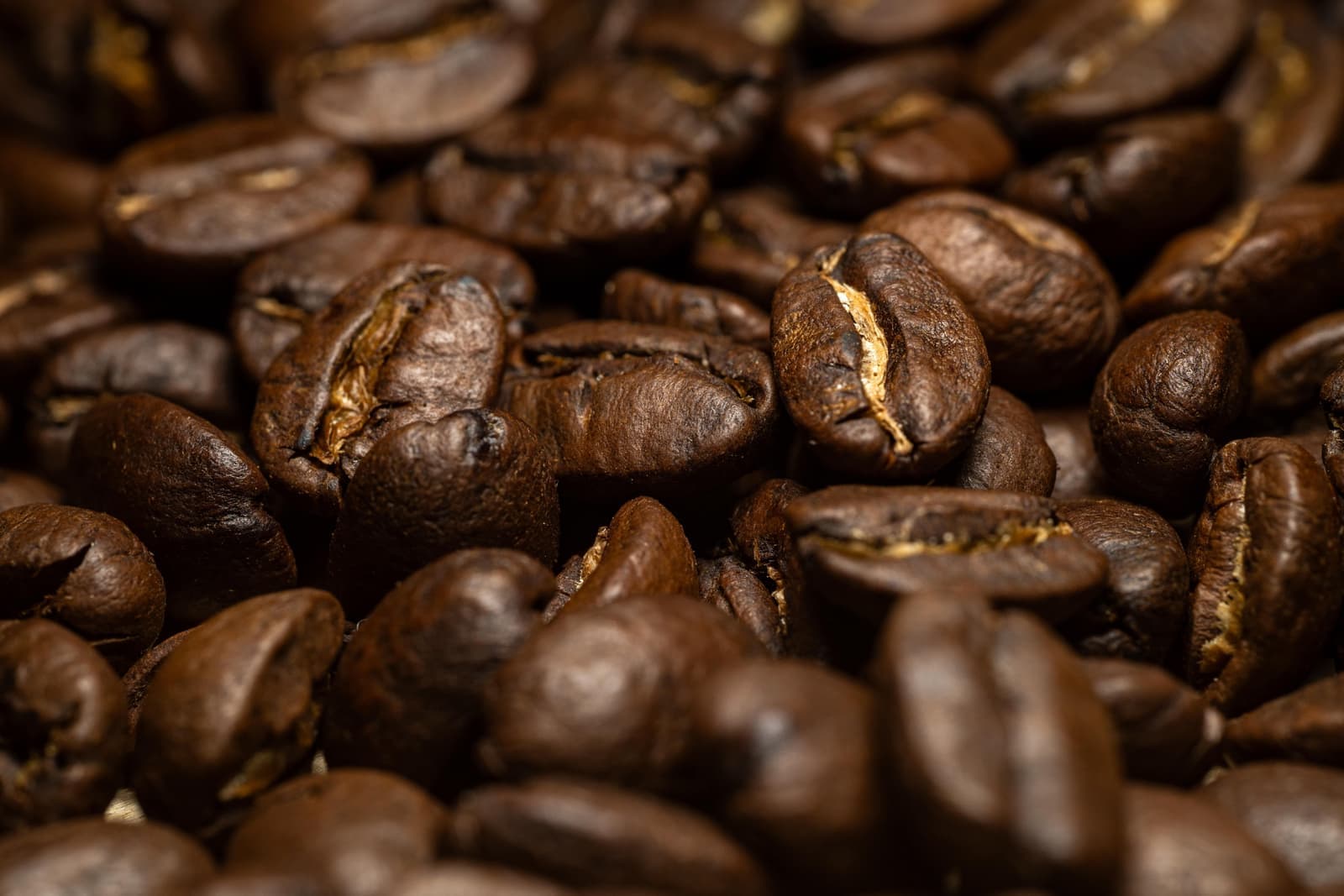
Three widely available blends that tolerate an imperfect grind, and when to graduate from them.
Top pick
Lavazza Super Crema
The Starter Kit
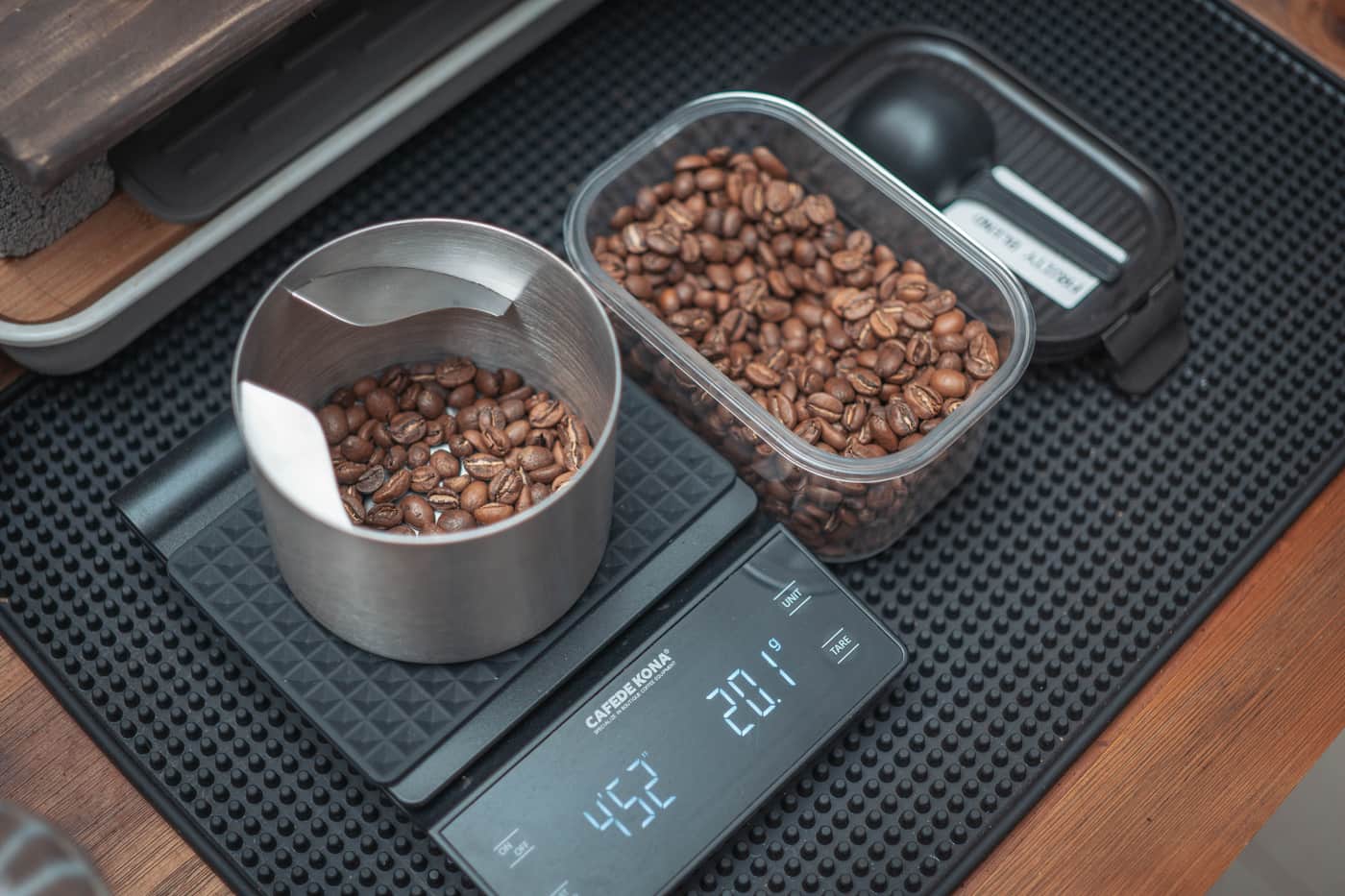
What an espresso scale actually needs to do, three that do it, and a clear argument against the expensive one.
Top pick
Timemore Black Mirror Basic 2