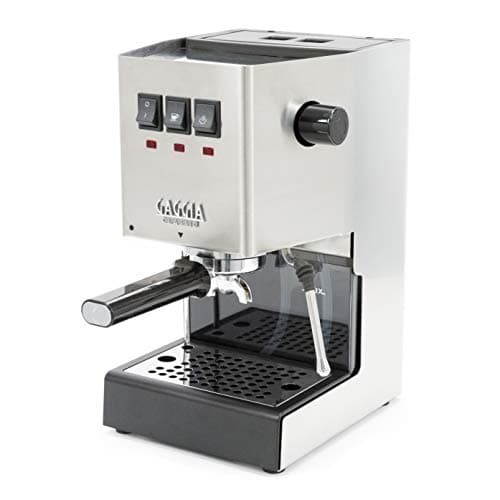
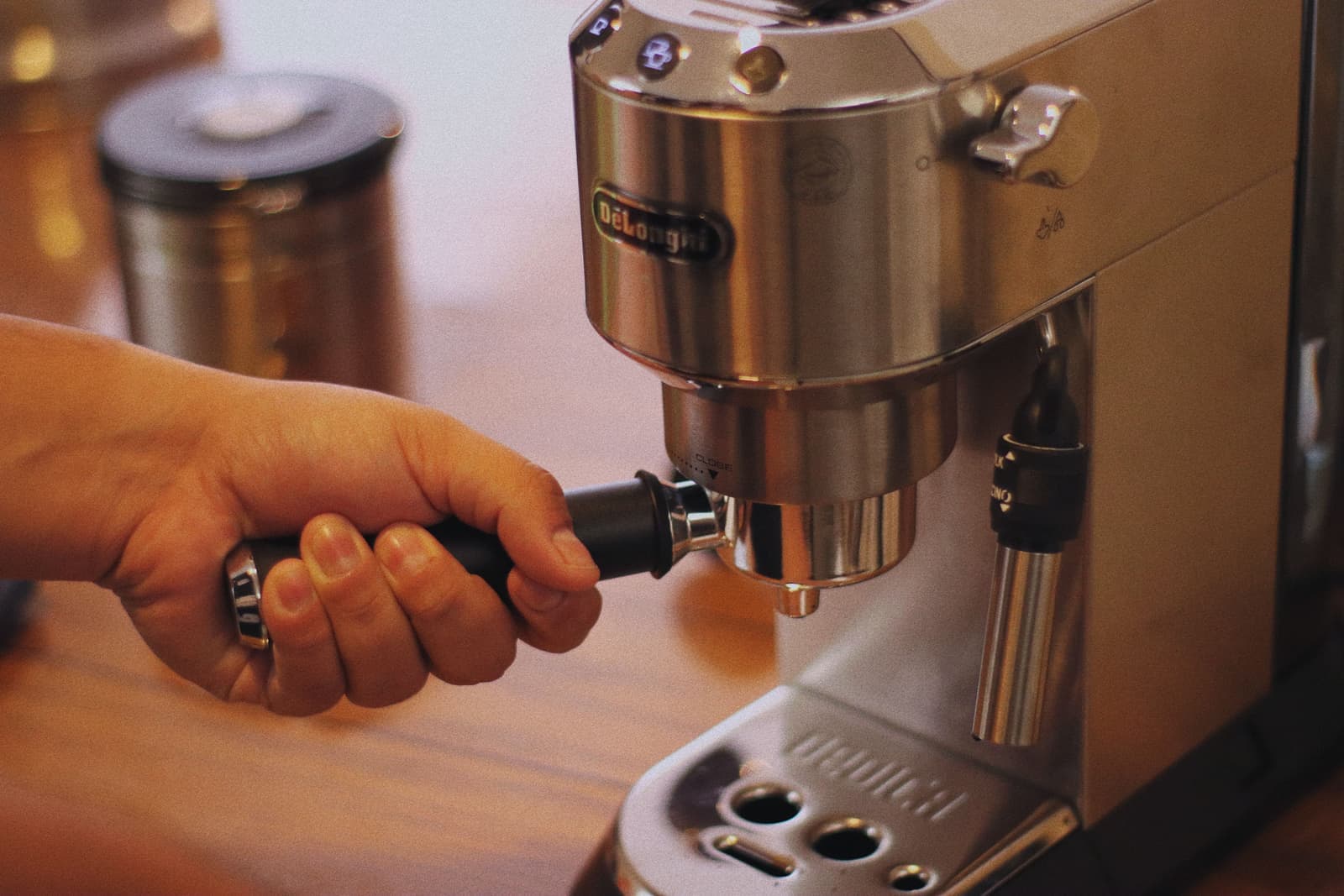
A commercial-size portafilter on a home machine, sold in two versions with confusingly similar names. Here is what separates them and who the machine is actually for.
Heads up: we earn a commission if you buy through the links on this page, at no extra cost to you. It never changes the order of the list. Full disclosure · how we pick.
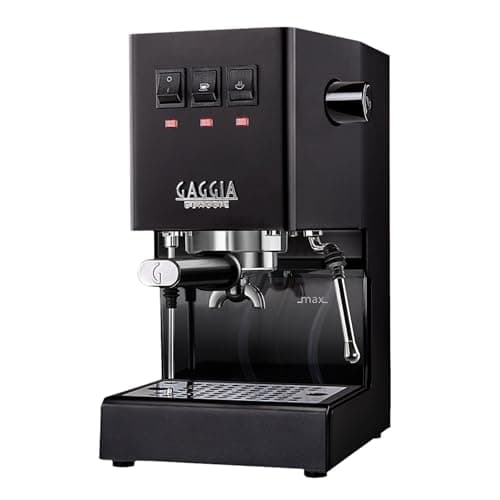
The Gaggia Classic is the machine people buy when they have decided they are going to keep doing this. It has been sold in recognizably the same shape for decades, it takes the same 58 mm portafilter a cafe machine takes, and almost every part of it can be replaced or modified by someone with a screwdriver and an afternoon.
It is also the machine most likely to disappoint someone who wanted their first espresso machine to be easy. This page is about which of those two people you are — and about the naming mess you will hit the moment you start shopping. For the direct head-to-head against the machine most people are also considering, see Gaggia Classic vs Breville Bambino Plus.
First: Evo Pro or E24?
Search for this machine and you will find the Classic Pro, the Classic Evo Pro and the Classic Pro E24, at overlapping prices, all looking nearly identical. They are successive revisions of the same machine rather than different products.
**What matters today:** Gaggia North America's own store currently lists one Classic — the **Classic Pro E24** — and states its revision is “a solid, lead-free brass boiler that improves both thermal stability and steaming performance.” The **Classic Evo Pro** is no longer listed by Gaggia, though it is still widely sold new, including by Amazon itself.
What we can and cannot tell you about each version
Classic Pro E24
Classic Evo Pro
Listed by Gaggia NA today
Yes
No
Full published spec sheet
Yes
No — not on Gaggia NA's site today
Still sold new
Yes
Yes
58 mm commercial portafilter
Yes, stated
Yes, long-standing for the line
Stated brew pressure
9 bar, OPV calibrated to 9 bar
Not currently published by Gaggia
Boiler
Solid lead-free brass, 3.5 oz
Not currently published by Gaggia
We have kept the Evo Pro on this page because it is genuinely purchasable and it is what most of this site already points at. But note the right-hand column: we do not publish a spec table for it, because the manufacturer no longer publishes one and we will not quote one model's figures under another model's name. If a spec sheet matters to you, buy the E24.
What Gaggia publishes for the E24
All of this is from Gaggia's own product page, cited at the bottom. We have not handled the machine.
Gaggia Classic Pro E24, as specified by Gaggia
Portafilter
58 mm stainless steel
Boiler
Solid lead-free brass, 3.5 oz, fully embedded 1370 W heater
Brew pressure
9 bar, with the OPV calibrated to 9 bar
Pump
15 bar Italian-made Ulka
Water tank
72 oz
Steam wand
Commercial style, stainless, two-hole tip, rotating, 3.75 in usable
Dimensions (H×W×D)
14.2 × 8 × 9.5 in
Weight
19 lbs
Power
1425 W at 110-120 V
Quick picks — Gaggia Classic review
#
Pick
Best for
Type
Price
1
Gaggia Classic Pro E24Top pickThe current Gaggia Classic: the same commercial-size 58 mm portafilter the line is known for, now with a lead-free brass boiler and a fully published spec sheet.
Gaggia Classic Evo ProThe long-running enthusiast entry point: a commercial-size 58 mm portafilter on a home machine, with a large aftermarket behind it.
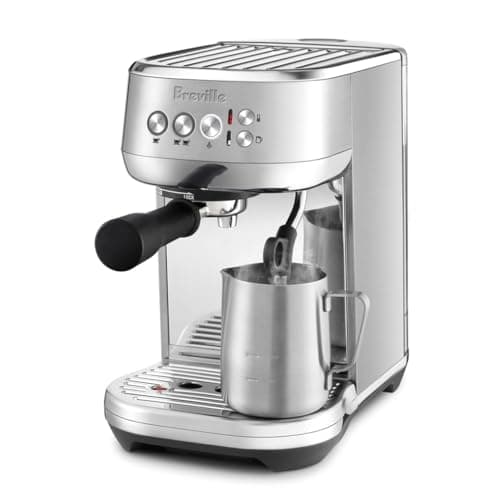
Breville Bambino Plus (BES500)The standard answer to “which first machine” — full 54 mm portafilter and an 18 g dose, with the milk step automated so a flat white is possible on day one.
We have not handled these units. Everything above comes from published manufacturer documentation, cited inline, plus arithmetic you can redo yourself. Everyone in this category says they tested twenty machines; we have not tested any, and we say so. Here is what we do instead.
01
Gaggia Classic Pro E24
A 58 mm machine you can still buy specs for
The current Gaggia Classic: the same commercial-size 58 mm portafilter the line is known for, now with a lead-free brass boiler and a fully published spec sheet.
Published specifications for the Gaggia Classic Pro E24, with sources
The 9-bar figure is the one that matters and Gaggia states it twice — as the brew pressure and as the OPV calibration. Most machines advertise only the 15-bar pump maximum, which is not the pressure at the coffee. This is the same number a cafe machine brews at.
A 3.5 oz brass boiler is small, so it heats quickly and runs out of steam quickly. It is a single boiler, which means brewing and steaming are separate operations with a wait between them.
Everything here is serviceable. The Classic's internals have been broadly the same for years, parts are sold openly, and the modification community around it is the largest of any home machine — which is the real argument for buying one.
What it does well
58 mm commercial-standard portafilter, so every accessory fits
Gaggia publishes brew pressure, boiler material and OPV calibration
Serviceable, well-documented internals with an unusually large parts supply
What you give up
No PID from the factory — brew temperature is not held or displayed
Single small boiler: brew, then wait, then steam
Nothing is automated, including the milk
Skip it if you want the machine to help you. It does exactly what you tell it, including when what you told it was wrong.
The long-running enthusiast entry point: a commercial-size 58 mm portafilter on a home machine, with a large aftermarket behind it.
We have not compiled a cited spec sheet for this pick yet, so there is no spec table here. What follows is about fit — who it is for and who it is not — not about numbers we cannot source. See how we pick.
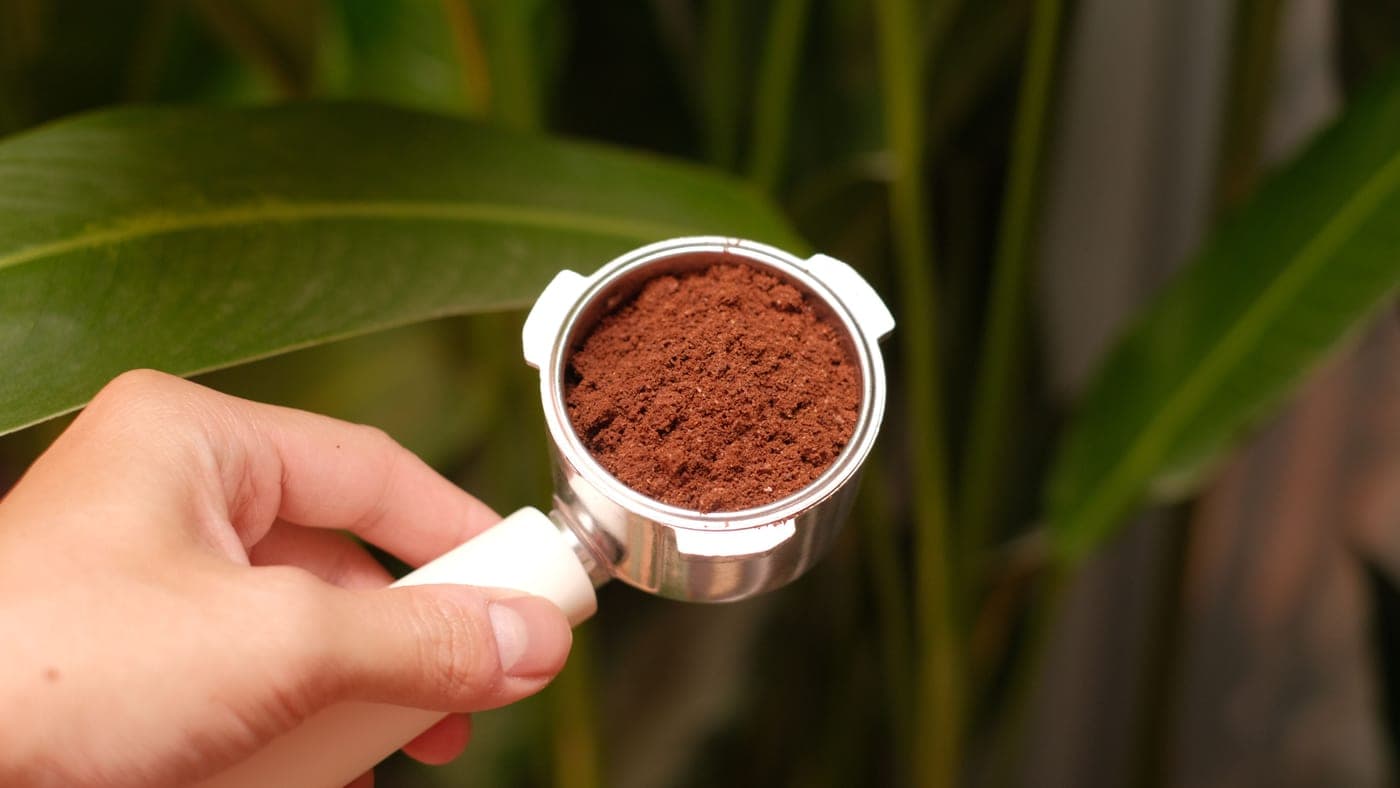
The 58 mm portafilter is the argument. It is the size commercial machines use, so every basket, tamper, distribution tool and bottomless portafilter on the market fits.
It asks more of you than a Breville does — there is no automatic milk, no PID from the factory, and the learning curve is real.
What it does well
58 mm commercial-standard portafilter with a huge accessory market
Simple, well-understood internals with parts availability
What you give up
Steeper learning curve than a machine designed for beginners
No automatic milk of any kind
Skip it if you want the machine to help you. This one does exactly what you tell it, including when you are wrong.
The standard answer to “which first machine” — full 54 mm portafilter and an 18 g dose, with the milk step automated so a flat white is possible on day one.
Published specifications for the Breville Bambino Plus (BES500), with sources
54 mm tamper, Razor dosing tool, 16 fl oz milk jug, single- and dual-wall baskets, cleaning tool and disc [source]
The 54 mm portafilter and 18 g dose matter more than they sound: they put the machine on the same dose a cafe uses, so any recipe you read applies to it directly and every 54 mm accessory fits.
The three-second heat-up is the difference between espresso being a weekday habit and a weekend project. A machine that takes fifteen minutes to be ready is a machine you use on Sundays.
The automatic steam wand is the single biggest reason this suits a first setup. Milk texturing is the skill that takes longest to learn; handing it to the machine removes the part most likely to make you give up.
What it does well
Standard 54 mm basket, so recipes and accessories from anywhere fit
Ready in seconds, which is what makes it a habit rather than a project
Automatic milk means a drinkable cappuccino before you can texture by hand
The manual wand is still there when you want to learn
What you give up
No grinder — budget for one separately, and that is the right trade
Small water tank compared with a bean-to-cup machine; refills are frequent
Nothing here helps if your grinder cannot go fine enough
Skip it if you want one box that does everything with no learning curve — a bean-to-cup machine is the honest answer for that, and it is a different product.
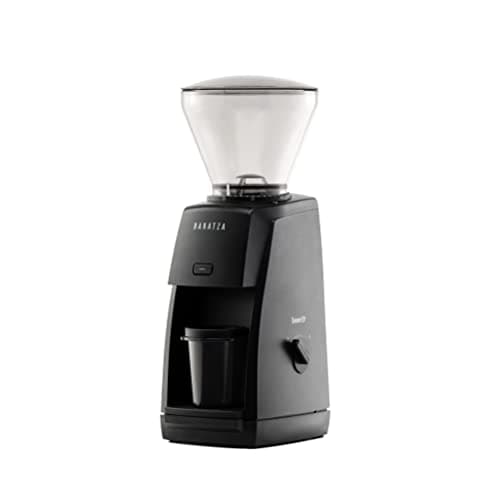
Twenty fine clicks inside the espresso range is the specification that matters. Grinders that give you five usable espresso settings cannot be dialed in; this one can.
550 RPM is deliberately slow. Slower burrs mean less heat and less static, which in practice means less ground coffee stuck to the inside of the chute and thrown around your counter.
It ships with both 54 mm and 58 mm dosing, which covers a Breville and a Gaggia without buying anything else.
What it does well
Genuine fine adjustment across the espresso range
Covers filter grinding too, so it is not a single-purpose purchase
Quick-release burr makes cleaning a two-minute job
Fits both common portafilter sizes out of the box
What you give up
Retains some grounds between doses, like most hoppered grinders
Louder than a hand grinder, obviously
Skip it if you already have a capable hand grinder and only make one or two drinks a day — you would be buying convenience, not better coffee.
This is the whole argument and it is a good one. Fifty-eight millimeters is what commercial machines use, so every tamper, distribution tool, puck screen, bottomless portafilter and precision basket on the market is made for it first. Nothing is a compromise fit and nothing is hard to find.
Compare that with the 54 mm world of beginner Brevilles, where the accessory range is good but smaller, or with machines using non-standard sizes, where it is genuinely thin. Portafilter sizes explained covers how to check what your machine takes and why it constrains everything you buy afterwards.
2. Nine bar, stated as nine bar
Gaggia states both a 15 bar Ulka pump and a 9 bar brew pressure with the over-pressure valve calibrated to 9 bar. That distinction is the single most abused number in this category: almost every machine advertises its pump maximum, which is not the pressure that reaches the coffee.
Nine bar at the puck is the figure espresso is defined around, and a manufacturer stating its OPV calibration is telling you it has thought about the difference. What is espresso explains why the marketing number and the brewing number diverge.
3. It is built to be opened
A solid brass boiler with an embedded heater, a steel body and a pump anyone can source is the opposite of a sealed appliance. Gaskets, group seals, OPV springs, steam valves and thermostats are all replaceable parts for this machine, and there is a deep well of community documentation for doing it.
For a buyer who expects to own one machine for a long time, that matters more than any feature on a spec sheet. It is also the honest reason we rank it where we do on espresso machines under $1,000: it is not the easiest machine in that bracket, it is the one least likely to become e-waste.
What it deliberately does not do
No PID, so no held brew temperature
Gaggia publishes no PID controller and no settable brew temperature for the Classic. The machine heats to a thermostat and the temperature drifts through a cycle, which is why long-time owners talk about “temperature surfing” — timing the shot against the heating cycle to catch a consistent point.
Be clear about what this costs a beginner: it is a real variable working against you while you are also learning grind, dose and timing. A machine that holds its temperature removes one source of shot-to-shot variation for free — Breville states PID control at 200°F on the Barista Express, for instance. On the Classic you either learn the machine's rhythm or you fit a PID later, which is the most common modification people make.
One small boiler, so brewing and steaming take turns
A 3.5 oz single boiler heats fast and holds little. You brew, you flip the steam switch, you wait for it to come up to steam temperature, you texture the milk. For one or two drinks that is a rhythm you stop noticing. For four milk drinks in a row it is a queue.
Nothing is automated
No volumetric buttons, no automatic milk, no prompts, no grinder. Three rocker switches and a manual steam wand. The machine does exactly what you tell it, which is the appeal and the problem in the same sentence. How to steam milk is not optional reading if this is your first machine.
The modification path, described honestly
Much of this machine's reputation comes from what people do to it afterwards: PID kits, adjustable OPV springs, bottomless portafilters, precision baskets, silicone group gaskets, improved steam tips.
Two honest notes on that. First, the machine is entirely usable unmodified — the modifications are refinements, not repairs. Second, if you are buying it *planning* to modify it, add the cost and the afternoons to your budget now, because a PID kit plus fitting is a real expense and opening the machine will affect your warranty. Buying a machine that already holds its temperature may be the cheaper route to the same cup.
Who should buy it
**Anyone who expects to still be doing this in five years.** Standard basket, serviceable parts, deep documentation.
**Anyone who wants the accessory market open to them.** 58 mm is the size everything is made for.
**Anyone who likes the machine being simple.** Three switches, no menus, nothing to update.
**Anyone buying once.** It is the pick on this site for people who would rather not upgrade twice.
Who should not
**Anyone who wants milk handled for them.** The wand is manual and the learning curve is real — the Bambino Plus automates exactly this.
**Anyone making several milk drinks back to back.** One small boiler, one queue.
**Anyone who wants held brew temperature out of the box.** Gaggia does not publish a PID for this machine.
**Anyone whose budget does not also cover a grinder.** This is the machine that punishes a poor grind hardest.
**Anyone who wants a machine that tells them what to do.** It will not.
The verdict
It is the right first machine for a narrower group than the internet suggests, and a genuinely excellent one for that group: people who want commercial-standard hardware, expect to learn, and would rather buy a machine they can open than one they must replace.
If that is you, buy the E24 rather than the Evo Pro — not because the Evo Pro is worse, but because Gaggia still publishes a spec sheet for the E24 and no longer does for the other, and a machine you may own for a decade should be one whose manufacturer still documents it.
If that is not you, the honest alternative is a machine that removes the two hardest variables: the Bambino Plus for an automatic milk wand and a three-second heat-up, or a bean-to-cup automatic if what you want is the drink rather than the making of it.
We have not used this machine. Every figure above is published by Gaggia and linked below, and prices come live from the listings we link to.
Questions people actually ask
What is the difference between the Gaggia Classic Evo Pro and the Classic Pro E24?+−
They are successive revisions of the same machine. Gaggia North America currently lists only the E24, and describes its change as a solid, lead-free brass boiler that improves thermal stability and steaming. Gaggia no longer publishes a specification page for the Evo Pro, although it is still sold new.
Does the Gaggia Classic have a PID?+−
Not from the factory — Gaggia publishes no PID or settable brew temperature for it. Owners either learn to time shots against the heating cycle or fit a PID kit later, which is the most common modification made to this machine.
Is the Gaggia Classic good for beginners?+−
It is good for a beginner who intends to learn. It has a commercial 58 mm portafilter and a stated 9-bar brew pressure, but no automation of any kind, no held brew temperature and no grinder. A beginner who mainly wants lattes with minimal technique will be happier with a machine that automates the milk.
What size portafilter does the Gaggia Classic use?+−
Gaggia states a 58 mm stainless steel portafilter — the commercial standard, which means essentially every tamper, distribution tool, puck screen and bottomless portafilter on the market fits it.
Can the Gaggia Classic steam milk properly?+−
Gaggia states a commercial-style rotating stainless steam wand with a two-hole tip and 3.75 inches of usable length. It is a manual wand on a single 3.5 oz boiler, so you brew first and then wait for steam temperature; texture is down to your technique rather than the machine's.
Do I need to modify a Gaggia Classic?+−
No. It is fully usable as sold, and the popular modifications — PID kits, OPV springs, bottomless portafilters — are refinements rather than fixes. If you are buying it planning to modify it, budget the parts and the time up front, and consider whether a machine that already holds temperature is the cheaper route.