Heads up: we earn a commission if you buy through the links on this page, at no extra cost to you. It never changes the order of the list. Full disclosure · how we pick.
**Pre-infusion is a few seconds of low-pressure water applied to the coffee before the full pressure arrives.** It wets the bed gently so the grounds swell and settle into a uniform mass, and only then does the pump push properly. Machines differ in whether they do this for you — our Gaggia Classic review covers a machine that automates nothing, deliberately.
Breville describes exactly this on its beginner machines: low pressure pre-infusion followed by a 9 bar extraction, delivered by a 15 bar pump.
Quick picks — Pre-infusion, explained
#
Pick
Best for
Type
Price
1
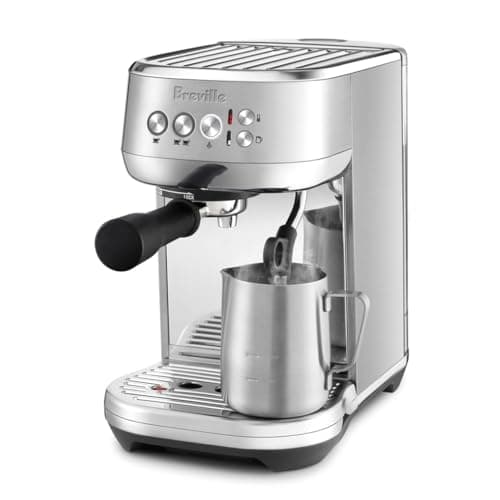
Breville Bambino Plus (BES500)Top pickThe standard answer to “which first machine” — full 54 mm portafilter and an 18 g dose, with the milk step automated so a flat white is possible on day one.
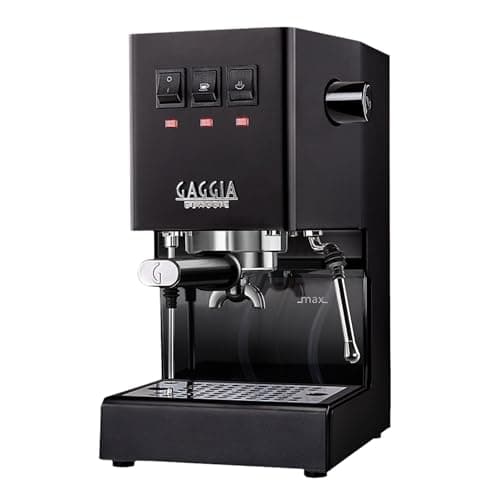
Gaggia Classic Evo ProThe long-running enthusiast entry point: a commercial-size 58 mm portafilter on a home machine, with a large aftermarket behind it.
We have not handled these units. Everything above comes from published manufacturer documentation, cited inline, plus arithmetic you can redo yourself. Everyone in this category says they tested twenty machines; we have not tested any, and we say so. Here is what we do instead.
01
Breville Bambino Plus (BES500)
A first machine you will not outgrow in a year
The standard answer to “which first machine” — full 54 mm portafilter and an 18 g dose, with the milk step automated so a flat white is possible on day one.
Published specifications for the Breville Bambino Plus (BES500), with sources
54 mm tamper, Razor dosing tool, 16 fl oz milk jug, single- and dual-wall baskets, cleaning tool and disc [source]
The 54 mm portafilter and 18 g dose matter more than they sound: they put the machine on the same dose a cafe uses, so any recipe you read applies to it directly and every 54 mm accessory fits.
The three-second heat-up is the difference between espresso being a weekday habit and a weekend project. A machine that takes fifteen minutes to be ready is a machine you use on Sundays.
The automatic steam wand is the single biggest reason this suits a first setup. Milk texturing is the skill that takes longest to learn; handing it to the machine removes the part most likely to make you give up.
What it does well
Standard 54 mm basket, so recipes and accessories from anywhere fit
Ready in seconds, which is what makes it a habit rather than a project
Automatic milk means a drinkable cappuccino before you can texture by hand
The manual wand is still there when you want to learn
What you give up
No grinder — budget for one separately, and that is the right trade
Small water tank compared with a bean-to-cup machine; refills are frequent
Nothing here helps if your grinder cannot go fine enough
Skip it if you want one box that does everything with no learning curve — a bean-to-cup machine is the honest answer for that, and it is a different product.
The long-running enthusiast entry point: a commercial-size 58 mm portafilter on a home machine, with a large aftermarket behind it.
We have not compiled a cited spec sheet for this pick yet, so there is no spec table here. What follows is about fit — who it is for and who it is not — not about numbers we cannot source. See how we pick.
The 58 mm portafilter is the argument. It is the size commercial machines use, so every basket, tamper, distribution tool and bottomless portafilter on the market fits.
It asks more of you than a Breville does — there is no automatic milk, no PID from the factory, and the learning curve is real.
What it does well
58 mm commercial-standard portafilter with a huge accessory market
Simple, well-understood internals with parts availability
What you give up
Steeper learning curve than a machine designed for beginners
No automatic milk of any kind
Skip it if you want the machine to help you. This one does exactly what you tell it, including when you are wrong.
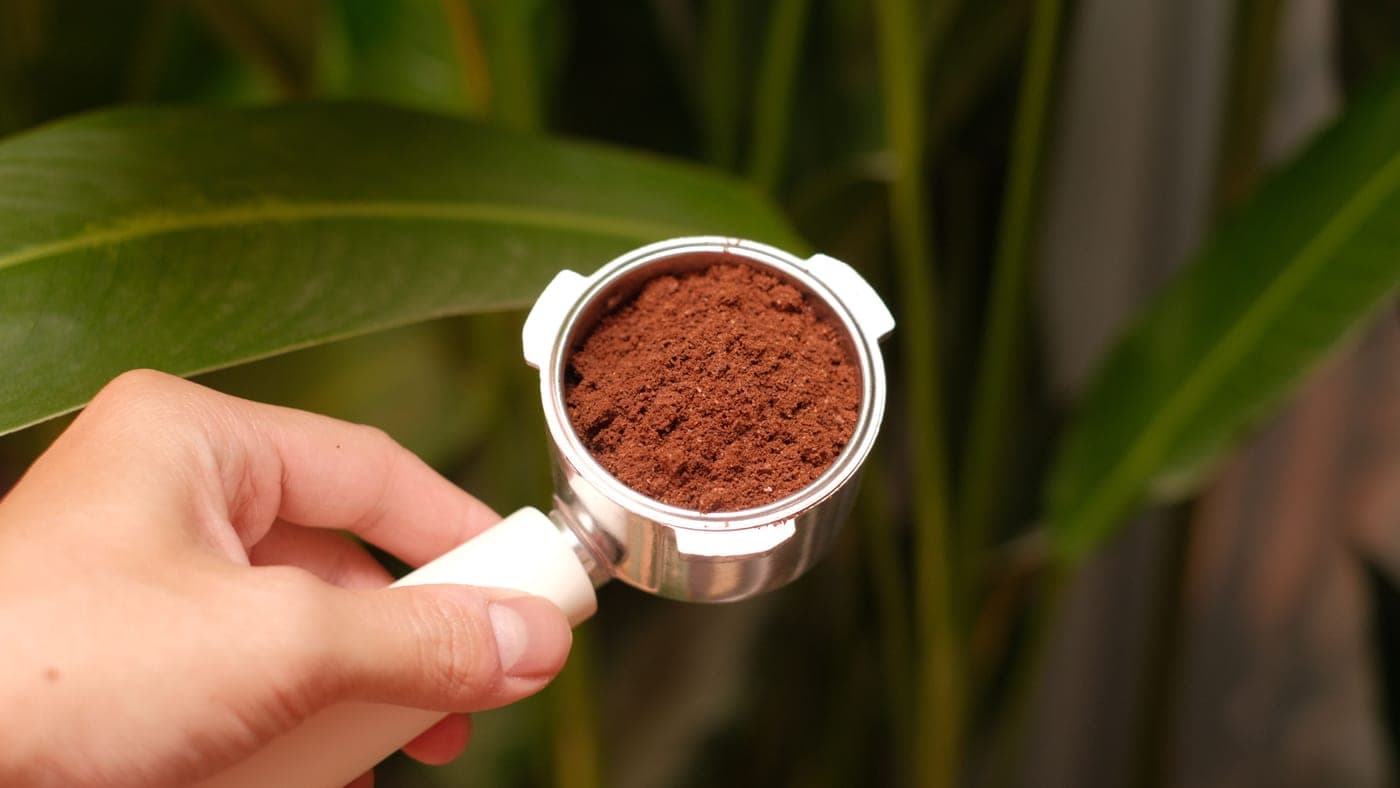
Dry coffee is not uniform. There are denser and looser regions in any tamped bed, however careful you were. Hit that with full pressure immediately and the water blasts a route through the loosest part before the rest has absorbed anything — that is channeling, and it produces a sour, uneven shot.
Wetting the bed gently first lets the grounds swell and close those gaps. By the time full pressure arrives, the bed is more uniform and there is less of a path to find.
When it makes the biggest difference
**Very fresh coffee**, which is full of gas and prone to erupting when hit with pressure.
**Light roasts**, which are denser and less soluble.
**Fine grinds and higher doses**, where the bed is tighter to begin with.
**Imperfect puck prep**, which describes most people most of the time.
Should it decide your purchase?
No. It is a genuine feature and it is well down the list of things that matter for a first setup — behind the grinder, behind basket size, behind whether the milk system suits how you drink. Plenty of machines have it and plenty of good shots are pulled without it.
Better puck prep gets you most of the same benefit for a few dollars. Breaking up clumps with a WDT tool attacks the same problem — an uneven bed — from the other end.
How different machines handle it
Machine type
Pre-infusion
Most modern semi-automatics
Built in and automatic, a fixed few seconds
Breville beginner machines
Stated: low pressure pre-infusion before a 9 bar extraction
Basic pump machines
Usually none — full pressure immediately
Lever machines
You control it directly; that is the appeal of a lever
Bean-to-cup
Usually built in and not adjustable
Questions people actually ask
What is pre-infusion in espresso?+−
A few seconds of low-pressure water applied to the coffee bed before full pressure, so the grounds swell and settle into a uniform mass. Breville describes low pressure pre-infusion followed by a 9 bar extraction on its beginner machines.
Do I need pre-infusion?+−
No. It genuinely reduces channeling, especially with very fresh coffee and light roasts, but good puck prep addresses the same problem for a few dollars. It should not decide which machine you buy.
How long should pre-infusion last?+−
Typically two to five seconds. Machines that do it automatically choose their own duration and it is rarely adjustable.
Can I pre-infuse manually?+−
On a machine with a paddle or a two-stage switch, yes — start the pump briefly, pause, then run the shot. On a single-button machine, no.