Heads up: we earn a commission if you buy through the links on this page, at no extra cost to you. It never changes the order of the list. Full disclosure · how we pick.
Before you buy a tamper, a distribution tool, a bottomless portafilter or a replacement basket, you need one number: the internal diameter of your basket in millimeters. Everything in the accessory market is sold by that number, and buying the wrong one is the single most common accessory mistake.
How to find yours, in one minute
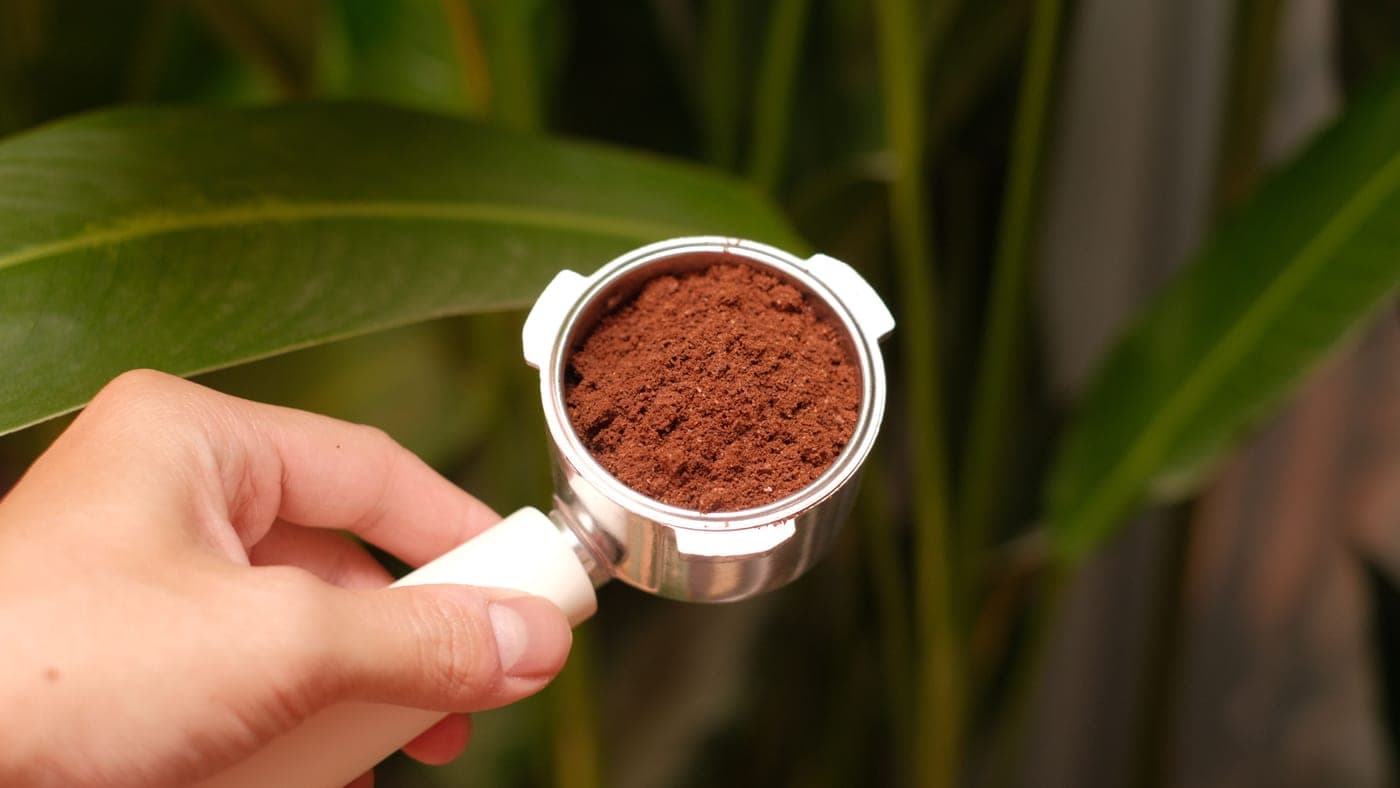
Take the basket out of the portafilter.
Measure the inside diameter across the top, in millimeters. You are looking for a number close to 51, 54 or 58.
If you get 53.x or 57.x, round to the standard — baskets are slightly under and tampers are sized to fit inside them.
If you cannot measure it, look up your machine's stated portafilter size. Breville states 54 mm across its beginner machines.
The three common sizes
Size
Typically found on
Accessory availability
Notes
58 mm
Gaggia and most commercial machines
Widest of all — this is the professional standard
Everything is made for this size first
54 mm
Breville's beginner range, stated by Breville
Very good, and growing
Baratza states its Encore ESP ships a 54 mm dosing cup with a 58 mm adapter
51 mm
Many budget machines
Thin, and the tamper in the box is often smaller still
Check carefully before buying accessories
Quick picks — Portafilter sizes: 51, 54 and 58 mm
#
Pick
Best for
Type
Price
1
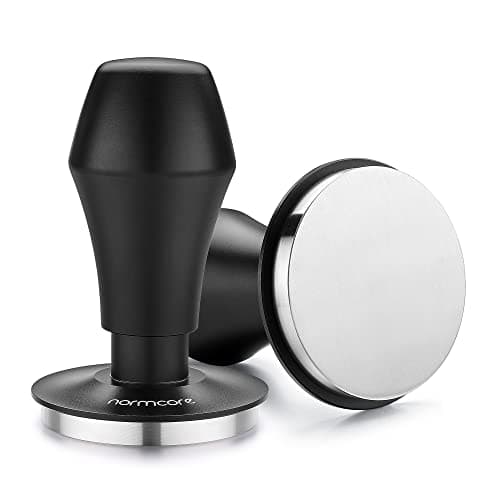
Normcore Spring-Loaded Tamper V4Top pickA calibrated tamper that clicks at a fixed pressure, so the tamp stops being a variable while you are learning everything else.
Taking tamping pressure off the list of things to worry about
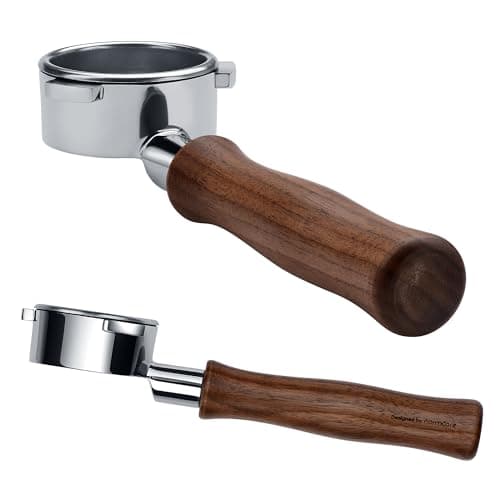
Normcore Bottomless PortafilterA portafilter with no spout, so you watch the underside of the puck pour. It is a diagnostic tool that happens to look good.
We have not handled these units. Everything above comes from published manufacturer documentation, cited inline, plus arithmetic you can redo yourself. Everyone in this category says they tested twenty machines; we have not tested any, and we say so. Here is what we do instead.
01
Normcore Spring-Loaded Tamper V4
Taking tamping pressure off the list of things to worry about
A calibrated tamper that clicks at a fixed pressure, so the tamp stops being a variable while you are learning everything else.
We have not compiled a cited spec sheet for this pick yet, so there is no spec table here. What follows is about fit — who it is for and who it is not — not about numbers we cannot source. See how we pick.
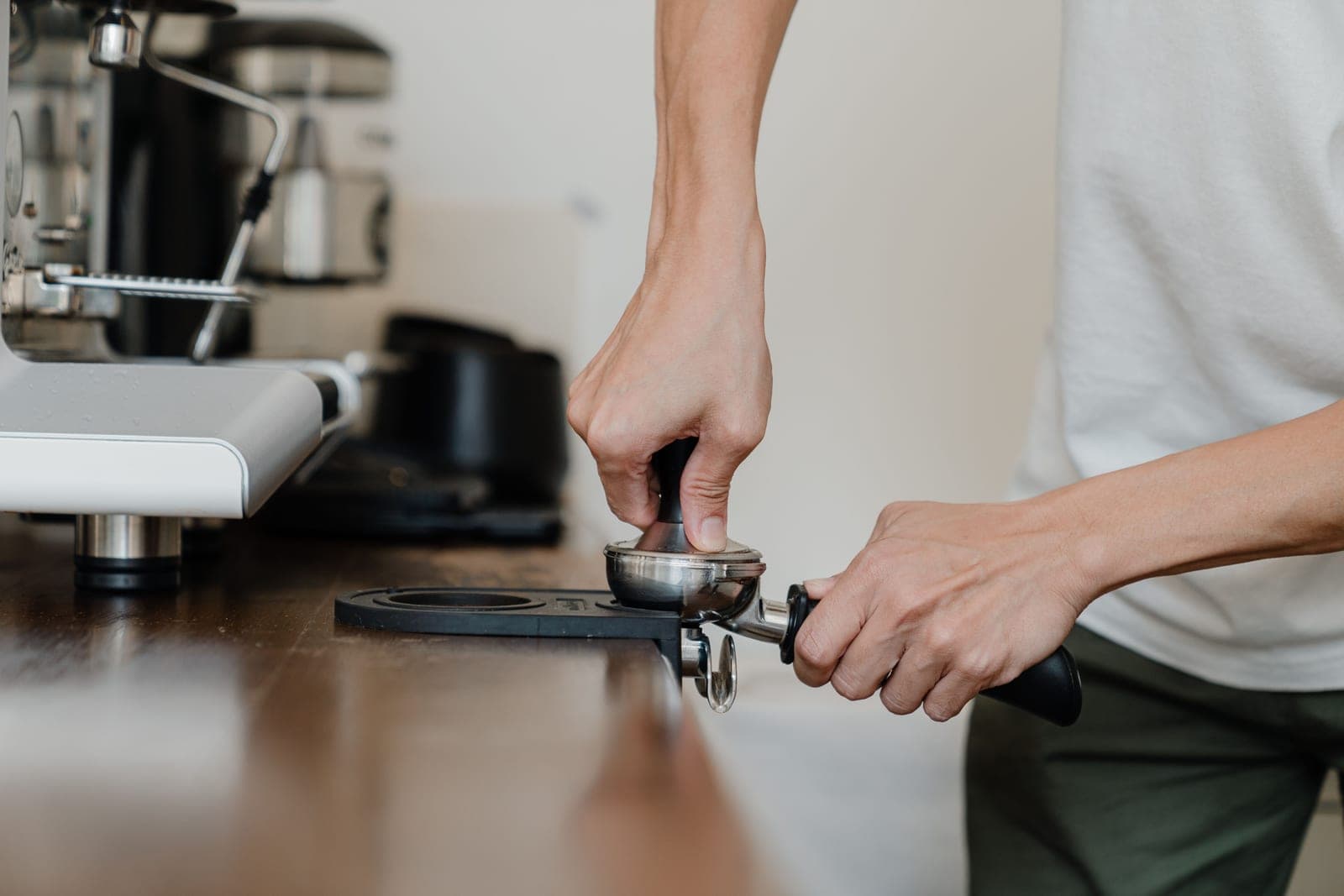
Tamping pressure matters less than people think and consistency matters more. A spring tamper gives you the same pressure every time without you thinking about it.
Size must match your basket: 54 mm for most Breville machines, 58 mm for Gaggia and commercial-standard machines. A tamper a millimeter too small leaves an untamped rim, which is where the water escapes.
What it does well
Removes one variable entirely while you learn the others
Available in both 54 mm and 58 mm
What you give up
Costs several times what a plain flat tamper costs
You must buy the right diameter — this is the most common accessory mistake
Skip it if the tamper that came in the box is the right diameter and you are willing to be deliberate. A calibrated tamper is a convenience, not a requirement.
A portafilter with no spout, so you watch the underside of the puck pour. It is a diagnostic tool that happens to look good.
We have not compiled a cited spec sheet for this pick yet, so there is no spec table here. What follows is about fit — who it is for and who it is not — not about numbers we cannot source. See how we pick.
With a spouted portafilter you see the output. With a bottomless one you see where the water came through — a jet from one side is channeling, and it is visible in the first three seconds.
It also sprays coffee across your counter until your puck prep is decent, which is a fair description of the learning curve.
What it does well
Shows channeling directly instead of leaving you to guess
Makes every other puck-prep improvement measurable
What you give up
Messy until your prep is consistent
Cannot split a shot into two cups
Must match your basket diameter
Skip it if your shots taste fine and you have no interest in diagnosing them. It solves a problem you do not have.
A tamper two millimeters smaller than the basket leaves a ring of loose coffee around the edge of the puck. Water under pressure takes the easiest available route, which is that ring, and most of your coffee never gets properly extracted. The shot runs fast and tastes sour, and it looks exactly like a grind problem — which is why people spend money on a grinder to fix a $20 problem.
Single-wall and dual-wall baskets
As well as diameter, baskets come in two types. A dual-wall (pressurized) basket has a small hole that forces coffee through under pressure and produces crema regardless of grind — forgiving while your grinder is weak, and a ceiling once it is not. A single-wall basket does nothing for you and rewards a good grind honestly. Breville ships both types with the Bambino Plus, which is the right way to do it: start pressurized, move across when your grinder can carry it. Pressurized vs non-pressurized baskets covers when to make that switch and what it requires.
Questions people actually ask
What size is my portafilter?+−
Measure the inside diameter of the basket in millimeters — it will be close to 51, 54 or 58. Breville states 54 mm across its beginner machines; 58 mm is the commercial standard.
Are 54 mm and 58 mm portafilters interchangeable?+−
No. The portafilter is machined to the machine's group head and the basket to the portafilter. Accessories must match the basket size exactly.
What is the difference between a single-wall and dual-wall basket?+−
A dual-wall (pressurized) basket forces coffee through a small hole to manufacture crema regardless of grind. A single-wall basket does not, so it rewards a good grind and exposes a bad one. Breville ships both with the Bambino Plus.
Can I use a 54 mm tamper in a 58 mm basket?+−
No — it would leave a wide untamped ring where water escapes. That is the most common accessory mistake in a first setup.